
People insist to call Buenos Aires the Paris of South America. This was in fact the dream of Torcuato de Alvear, the first mayor of Buenos Aires back in the early 20th century. Back then the city “only” had about a million inhabitants and was considered a Great Village (“Gran Aldea”).
Today Buenos Aires features broad boulevards such as the Avenida 9 de Julio (with 14 lanes, it takes a while to cross it!) and numerous elegant buildings.
These include for example:
—
La gente insiste per chiamare Buenos Aires la Parigi del Sud America. Questo era infatti il sogno di Torcuato de Alvear, il primo sindaco di Buenos Aires agli inizi del 20° secolo. Allora la città aveva “solo” un milione di abitanti ed era considerata un grande villaggio (“Gran Aldea”).
Oggi Buenos Aires ospita ampi viale come l’Avenida 9 de Julio (14 corsie – ci vuole un bel po’ per attraversarlo!) e numerosi edifici eleganti.
Questi includono per esempio:
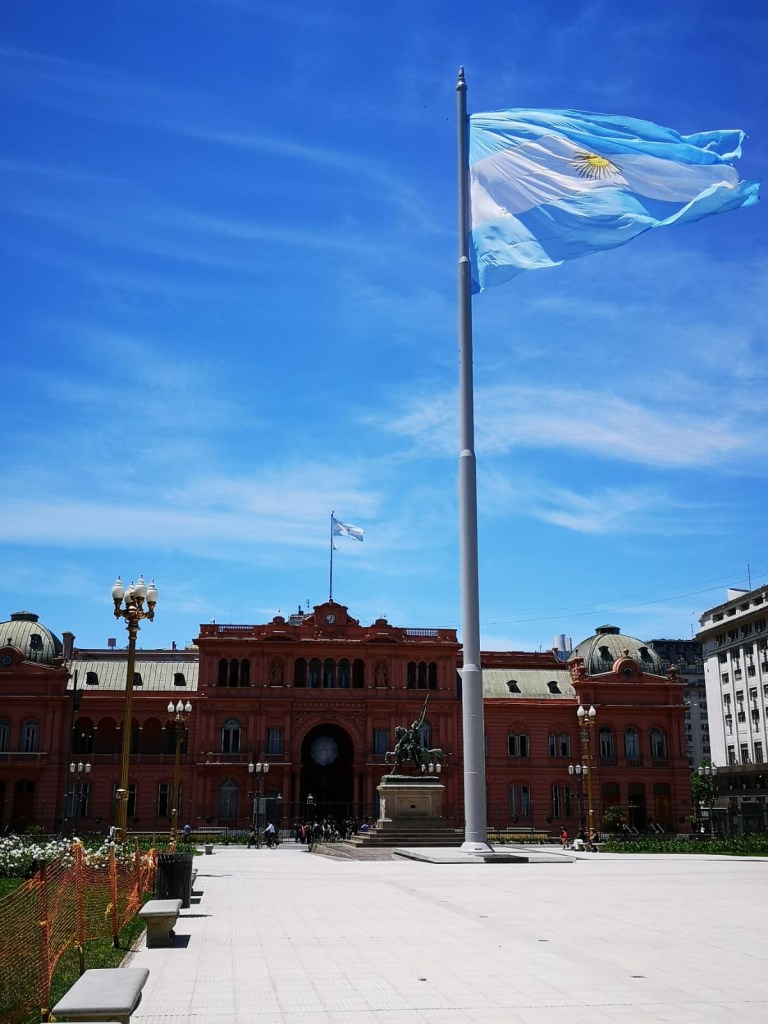
– the Casa Rosada (seat of the president). Some say that the the pink color might represent a mix of the colours from the two main opposing parties (white and red), to promote the collaboration between them; other say that it is instead due to the fact that it contained cow blood in it, which would enhance the preservation of the facade.
—
– la Casa Rosada (sede del presidente). Alcuni dicono che il colore rosa potrebbe rappresentare un mix dei colori dei due principali partiti (bianco e rosso), al fine di promuovere la collaborazione tra loro; altri dicono che è invece dovuto al fatto che la pittura contenesse sangue di mucca, che migliorerebbe la conservazione della facciata.
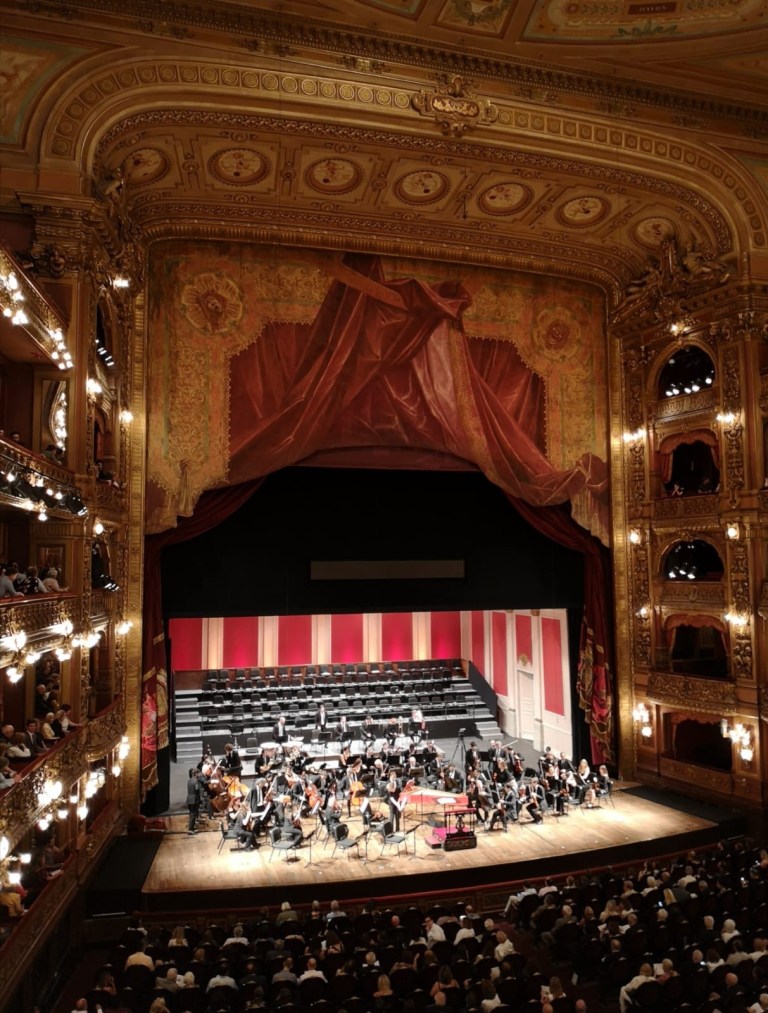
– the Teatro Colon. The building used today and located in Plaza Lavalle was the “second edition” of the Teatro Colon, with the first one being located in Plaza de Mayo and then rebuilt between the end of the 19th and the beginning of the 20th century as it was not fit for purpose anymore. The construction of the second building lasted for 18 years, and involved the death of one architect and the murder of another, but eventually resulted in a masterpiece, now rated among the top 5 opera houses worldwide.
—
– il Teatro Colon. L’edificio utilizzato oggi e situato in Plaza Lavalle era la “seconda edizione” del Teatro Colon; il primo, che si trovava in Plaza de Mayo, fu ricostruito tra la fine del 19° e l’inizio del 20° secolo in quanto non fu considerato inadeguato. La costruzione del secondo edificio durò per 18 anni, e comportò la morte di un architetto e l’omicidio di un altro, ma dopo tanta fatica divenne un vero e proprio capolavoro, oggi considerato tra i 5 migliori teatri d’opera di tutto il mondo
– the Galerias Pacifico. This amazing elegant shopping center hosts great frescos in the main cupola and high end shops. Its name comes from the fact that it once hosted the British-owned Buenos Aires and Pacific railway company. The company’s name derived from the fact that its intention was to operate a train service linking Buenos Aires and Valparaíso in Chile, thereby giving access to the Pacific Ocean.
—
– le Galerias Pacifico. Questo straordinario ed elegante centro commerciale ospita fantastici affreschi nella cupola principale e negozi di lusso. Il suo nome deriva dal fatto che un tempo la compagnia ferroviaria di Buenos Aires e Pacific (di proprietà britannica) aveva i suoi uffici in questo edificio. Il nome della società derivava dal fatto che la sua intenzione era di gestire un servizio ferroviario che collegasse Buenos Aires e Valparaíso in Cile, dando così accesso all’Oceano Pacifico.
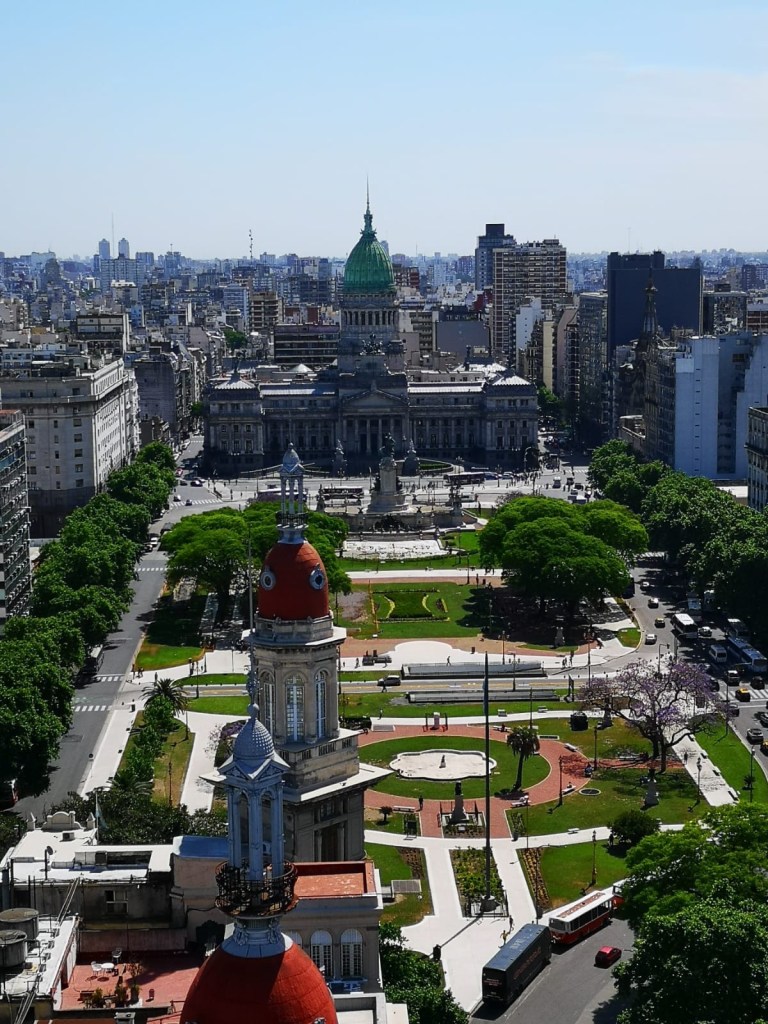
– the Palacio Barolo. The Palacio Barolo was built during World War I and sponsored by a fan of Dante’s Divine Comedy. The palace is divided into hell (up to Ground floor), purgatory (floors 1-14) and paradise (floors 15-22). It has an abundance of symbols connected to Dante (eg it is 100m tall like the number of canti), Italy (the colours of the Italian flag are often repeated) and the free Masons. Not only is the palace beautiful in its artistic value, but also the view from the very top (see picture above) on the palace of the national congress and its square are breathtaking! ( or heavenly?!)
—
– il Palacio Barolo. Il Palacio Barolo fu costruito durante la prima guerra mondiale e sponsorizzato da un fan della Divina Commedia di Dante. Il palazzo è diviso in inferno (fino al piano terra), purgatorio (piani 1-14) e paradiso (piani 15-22). Ha molti simboli collegati a Dante (ad esempio è alto 100 metri come il numero di canti), all’Italia (i colori della bandiera italiana sono spesso ripetuti) e alla massoneria. Non solo il palazzo bello è per il suo valore artistico, ma anche la vista dall’alto (vedi foto sopra) sul palazzo del congresso nazionale e la sua piazza è mozzafiato! (o meglio dire… paradisiaca?!)
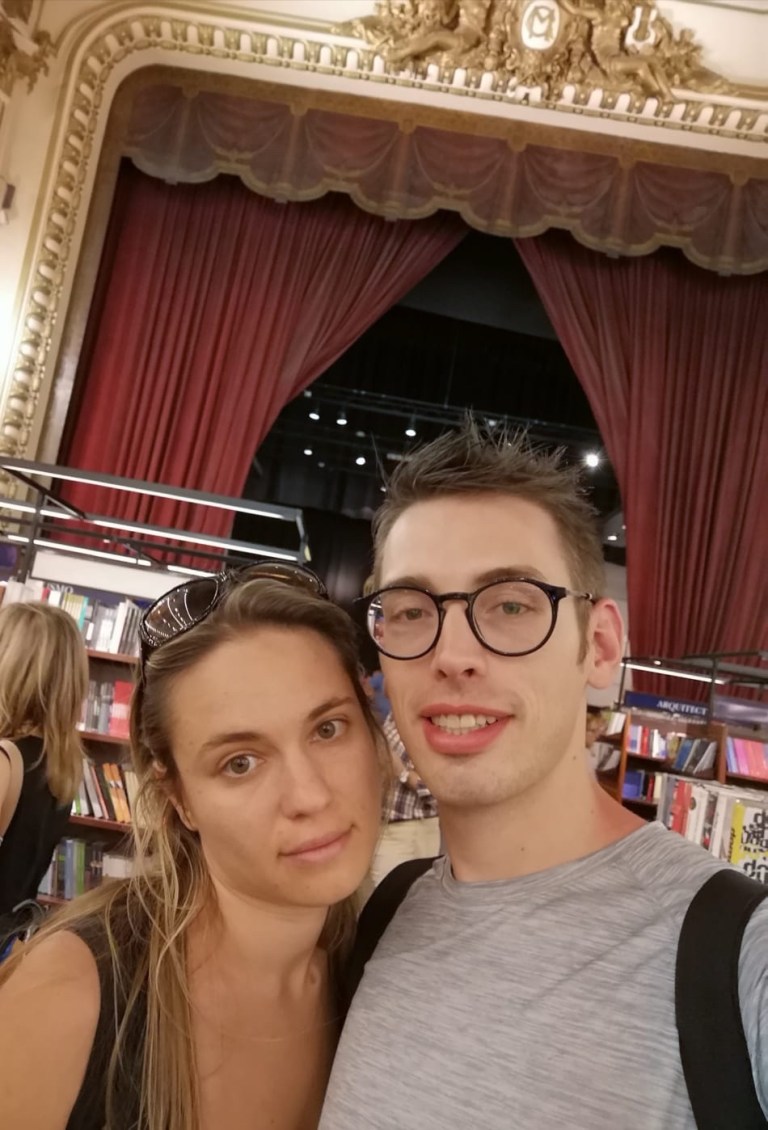
– El Ateneo Gran Splendid. This former theatre built at the beginning of the 20th century is today a bookstore! The Guardian considers this the second most beautiful bookstore in the world – after the one in Maastricht that is in a desecrated church, and which by the way we saw- and it is indeed wonderful
—
– Il Ateneo Gran Splendid. Questo Teatro costruito all’inizio del 20° secolo è oggi una libreria! The Guardian la considera la seconda più bella libreria al mondo – dopo quella di Maastricht che si trova in una chiesa sconsacrata e che tra l’altro abbiamo visitato qualche anno fa – ed è davvero meravigliosa
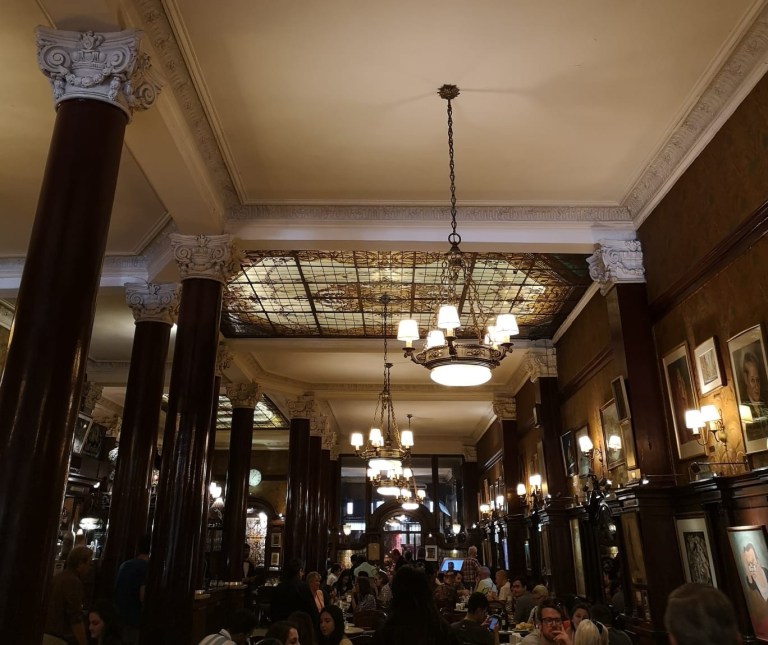
– Café Tortoni. The Café Tortoni is a coffeehouse inaugurated in 1858 by a French immigrant. The name Tortoni takes after the Parisian café of the same name located on Boulevard des Italiens (where the elite of the Parissiense culture gathered in the 19th century). Café Tortoni is considered among the ten most beautiful cafes in the world but it seems like it is still relying on its past splendour to attract tourists (and people are kept waiting outside even when there is place inside)
—
– Café Tortoni. Il Café Tortoni è un café inaugurato nel 1858 da un immigrato francese. Il nome Tortoni riprende l’omonimo caffè parigino situato sul Boulevard des Italiens (dove l’élite della cultura parigina si riuniva nel XIX secolo). Il Café Tortoni è considerato tra i dieci caffè più belli del mondo, ma sembra che si stia ancora facendo affidamento sul suo passato splendore per attirare turisti (ed il personale lascia i clienti in fila fuori anche quando c’è posto dentro)
This post could continue for a while… Do you want to know more about the Paris of South America? Book a flight and come!
—
Questo post potrebbe continuare ancora per molto… Vuoi saperne di più sulla Parigi del Sud America? Prenota un biglietto e vieni!


Thank you for sharing…. I had never contemplated going to South America but you are certainly making it enticing. I look forward to checking in on your adventures again. Enjoy!
LikeLike