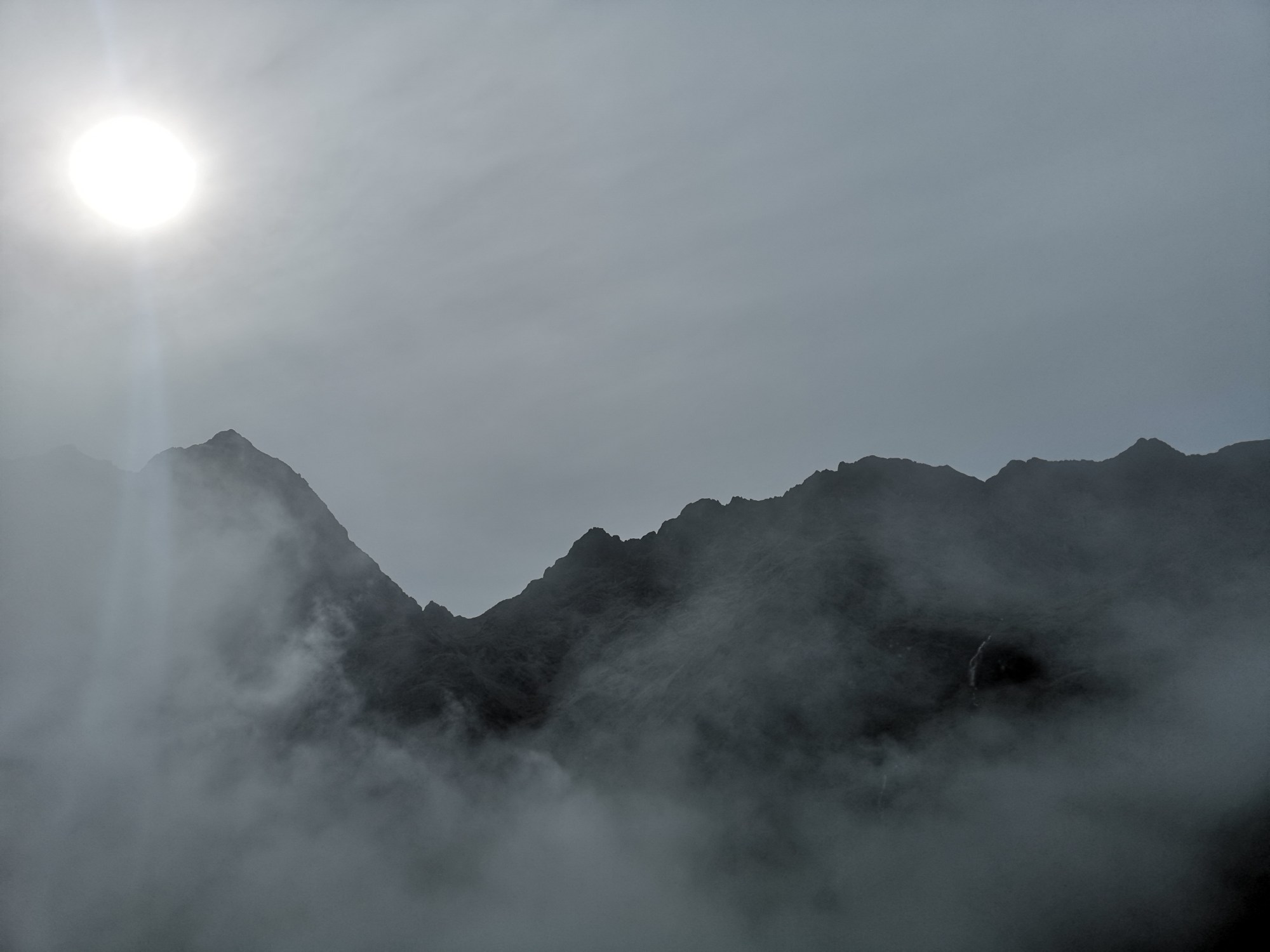
When we talk about the Inkas… wait what are we talking about? Were the Inkas a tribe? A religion? A family?
Totally unbeknownst of the history of the Inkas we started on this journey called “the Inka trail”. A 4 day/3 nights trek over the Royal Inka trail leading from Olentaytambo to the city of Machu Picchu.
—
Quando si parla degli Inkas .. aspetta di cosa stiamo parlando? Gli Inkas erano una tribù? Una religione? Una famiglia?
Non troppo esperti della storia degli Inka, abbiamo cominciato questo viaggio chiamato “il sentiero Inka”: un trekking di 4 giorni / 3 notti sul sentiero Reale Inka che porta da Olentaytambo alla città di Machu Picchu.
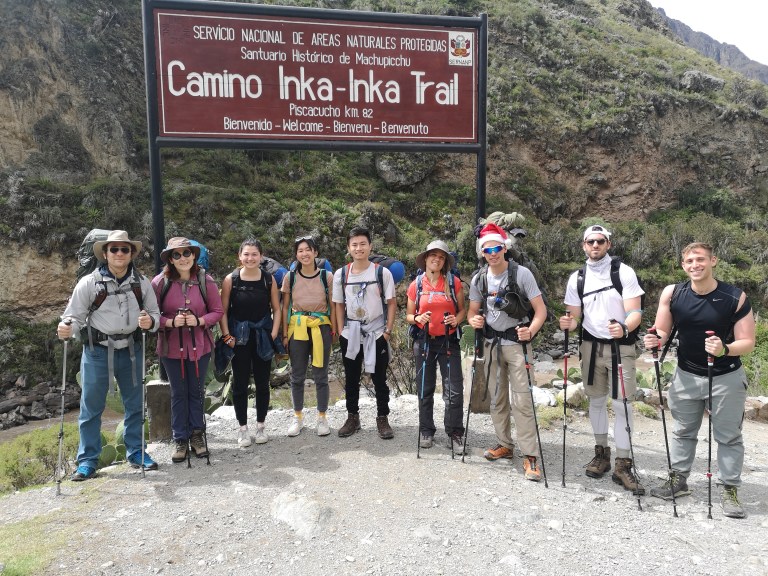
We started off with a group of 9 hikers with whom we would walk the next three days.
The Inka Trail is so popular that, to keep things in hand, the Peruvian government has created, since the year 2000, some rules:
- A quotum of max 200 travelers can start the trail every day.
- Only licensed companies can organize a tour (hence no private individuals)
- Per paying traveler 1.5 porter needs to be employed, who will carry the tents, cooking stuff, etc etc.
- You have to stay on a camping ran by locals or the government.
Tickets are sold out months in advance hence you need to book months in advance. We booked with http://www.valenciatravelcusco.com
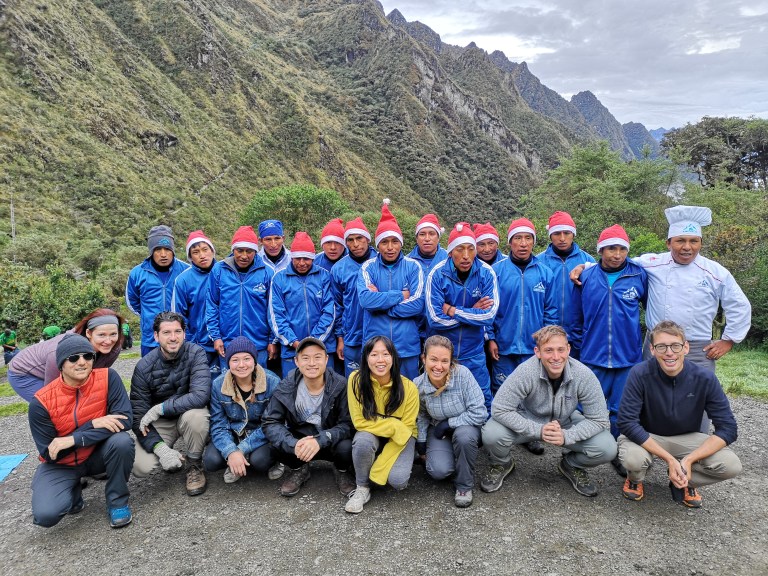
Since we are with 9 people we get the help of 15 porters (of which one is a cook) and two guides. Including the porters the complete group is a bit bigger than the initial picture:
—
Abbiamo iniziato con un gruppo di 9 escursionisti con i quali avremmo camminato nei tre giorni successivi.
Il sentiero Inka è così popolare che, per mantenere il controllo e preservare i siti, il governo peruviano ha creato, dal 2000, alcune regole:
- Un numero massimo di 200 viaggiatori può iniziare il percorso ogni giorno.
- Solo le aziende autorizzate possono organizzare un tour (quindi nessun privato)
- Per ogni viaggiatore pagante devono essere assunti 1.5 facchini che portino le tende, il cibo, ecc.
- Il pernottamento è permesso solo in campeggi gestiti dalla gente del posto o dal governo.
I biglietti sono esauriti con mesi di anticipo, quindi è necessario prenotare. Abbiamo prenotato con http://www.valenciatravelcusco.com
Dato che siamo con 9 persone siamo aiutati da 15 facchini (di cui uno è un cuoco) e due guide. Compreso i facchini, il gruppo completo è un po’ più grande della foto iniziale:
In total everyday about 500 people (travelers, porters, guides) start this trail. As the trek is 4 days, you can find 2000 people on the trails on any given day in the year! (except in February as the trail is closed for maintenance).
We start with a car ride from Cusco to km82 also known as the end of the road.
From this same point a train leaves that can bring us in two hours to Manchu Picchu. As we are of course here to do some trekking we skip the train and check in with the local authorities to access the trail.
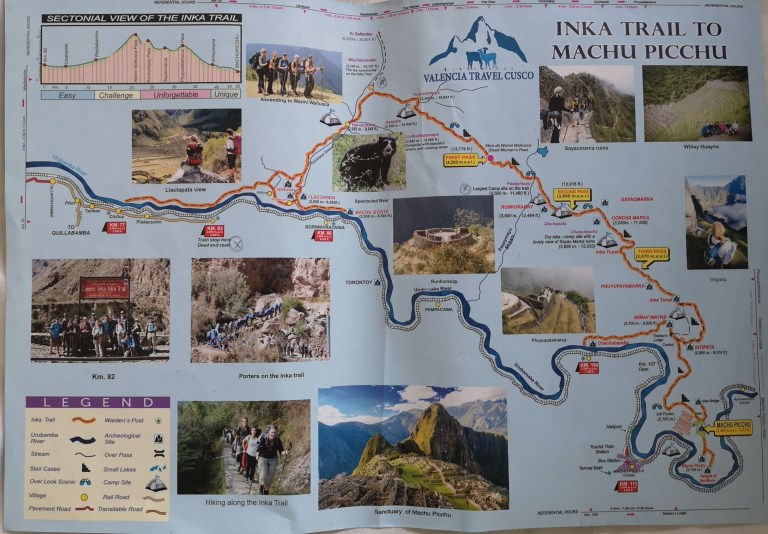
The route we follow is the red trail in the below picture:
—
In totale ogni giorno circa 500 persone (viaggiatori, facchini, guide) iniziano questo percorso. Poiché il trekking dura 4 giorni, puoi trovare 2000 persone sui sentieri in un dato giorno! (tranne a febbraio, poiché il sentiero è chiuso per manutenzione).
Iniziamo con un tragitto in auto da Cusco a km82, noto anche come la fine della strada.
Da questo stesso punto parte un treno che porta in due ore a Machu Picchu. Dato che siamo qui per fare trekking, saltiamo il treno e facciamo il check-in con le autorità locali per accedere al sentiero.
Il percorso che seguiamo quello rosso nell’immagine qui sotto:
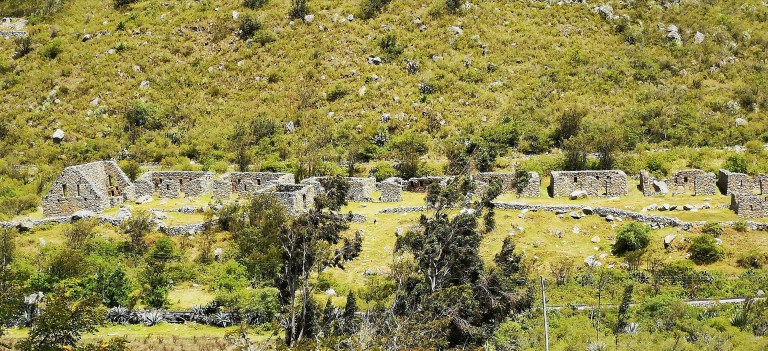
DAY 1: The first day of the trail is relatively flat, we start easily with a good pace and soon we find our first Inka site: this is supposed to be an Inka travel lodge for those who traveled on the commercial Inka trail (which is opposite to the royal Inka trail on which we are walking)
—
GIORNO 1: Il primo giorno del percorso è relativamente piano, iniziamo facilmente con un buon ritmo e presto troviamo il nostro primo sito Inka: questo dovrebbe essere un alloggio di viaggio Inka per chi viaggiava sul sentiero commerciale Inka (che è opposto al sentiero reale Inka sul quale stiamo camminando)
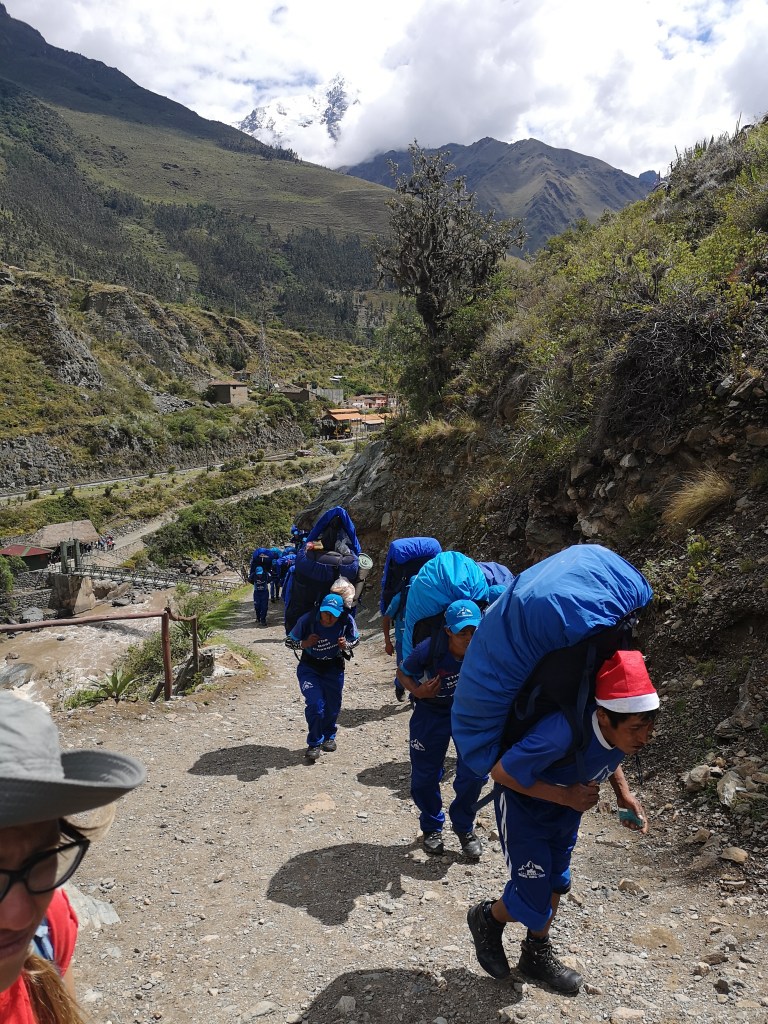
Our porters (our heros!) are bringing all the tents, cooking stuff, etc . with amazing speed (they carry up to 30kg…) to the lunch place:
—
I nostri facchini (i nostri eroi!) stanno portando tutte le tende, cucinando, ecc. con una velocità incredibile (portano fino a 30 kg …) per il pranzo:
Once we arrive at the lunch spot, we are pleasently surprised! The lunch is served, and looks like it could come from a very fancy restaurant! It consists of trout (fish taken all the way from Cusco) in a layer of egg, rice, vegetables, etc.
This is totally different from the crackers that we usually eat for lunch when we organise a trek on our own!
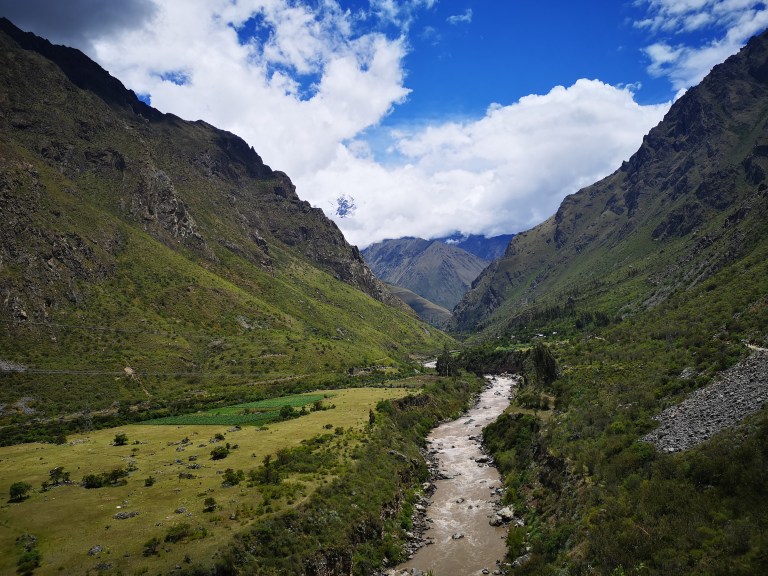
We continue our trek, pass by even more beautiful views:
—
Una volta arrivati del pranzo, siamo piacevolmente sorpresi! Il pranzo è servito, e sembra essere da un ristorante molto elegante! Consiste in trota (portata da Cusco) in uno strato di uova, riso, verdure, ecc.
Un pranzo totalmente diverso dai cracker che di solito mangiamo quando organizziamo un trekking da soli!
Continuiamo il nostro viaggio, vediamo panorami ancora più belli:
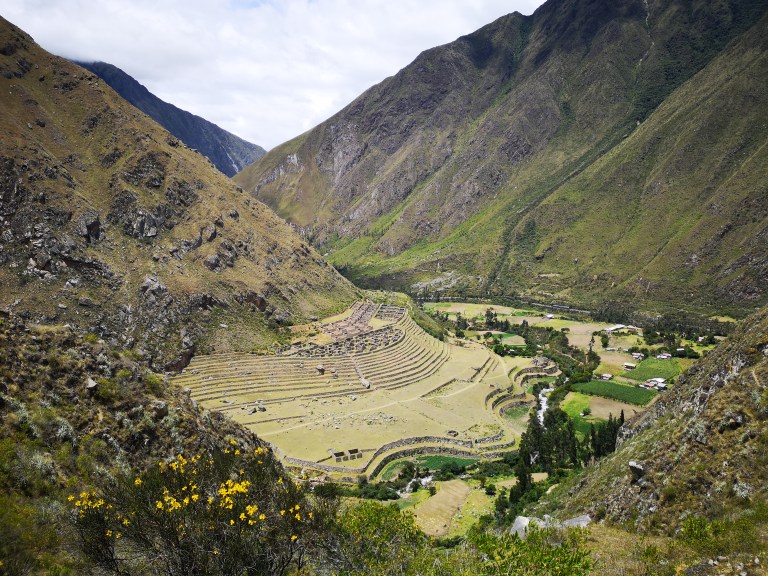
Another Inka site with the famous terraces on which they farmed their crops:
—
Un altro sito Inka con le famose terrazze per la coltivazione:
We even find edible avocados along the trail, not 100% ripe, however ripe enough to eat!
As we arrive at our camp for the all tents are set up (a real luxury). The only shower available is a stone cold shower, we decide to take it anyway and it is actually really refreshing.
An amazing dinner, with more food than we can actually eat, prepares us for the next day: the “dead woman” pass.
DAY 2: Today the route is simple: up 1200 meters, down 600 meters. As usual this is easier said than done.
We start with relatively good weather, a dramatic sun rise with amazing clouds.
—
Troviamo anche avocado commestibili lungo il percorso, non 100% maturi, comunque abbastanza maturi da mangiare!
Quando arriviamo al nostro accampamento, le tende sono già montate (un vero lusso). L’unica doccia disponibile è una doccia freddissima, decidiamo comunque di farla e in realtà è davvero rinfrescante.
Una cena incredibile, con più cibo di quello che possiamo effettivamente mangiare, ci prepara per il giorno successivo: il passo della “donna morta”.
GIORNO 2: Oggi il tragitto sembra semplice: su 1200 metri, giù 600 metri. Come al solito questo è più facile a dirsi che a farsi.
Iniziamo con un tempo relativamente buono, un sole drammaticamente incorniciato da nuvole incredibili.
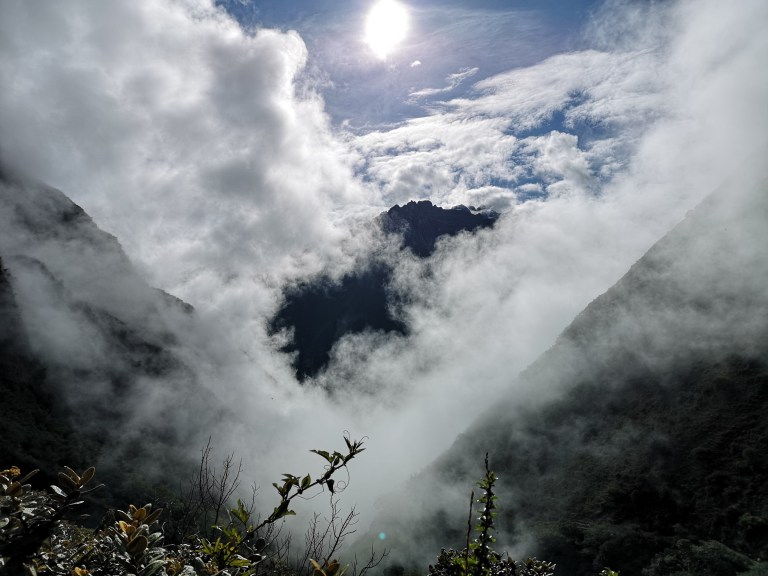
As we get higher the weather becomes worse:
—
Man mano che saliamo in altitudine il tempo peggiora:
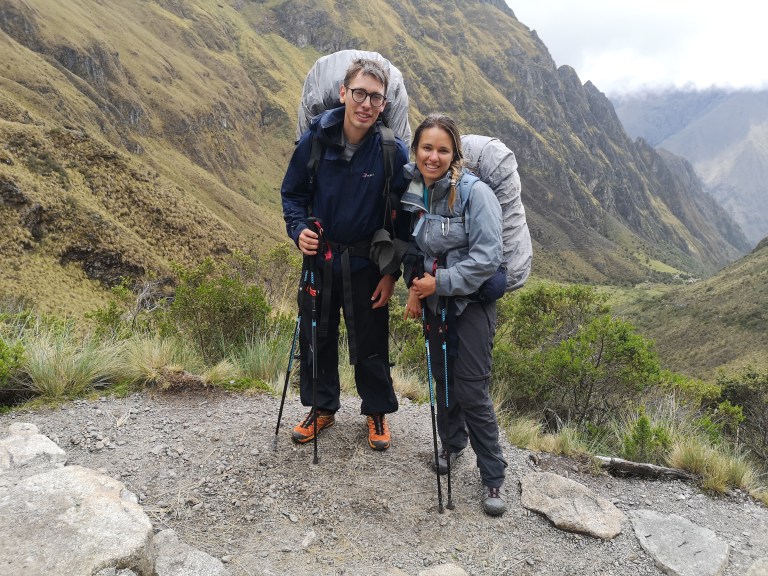
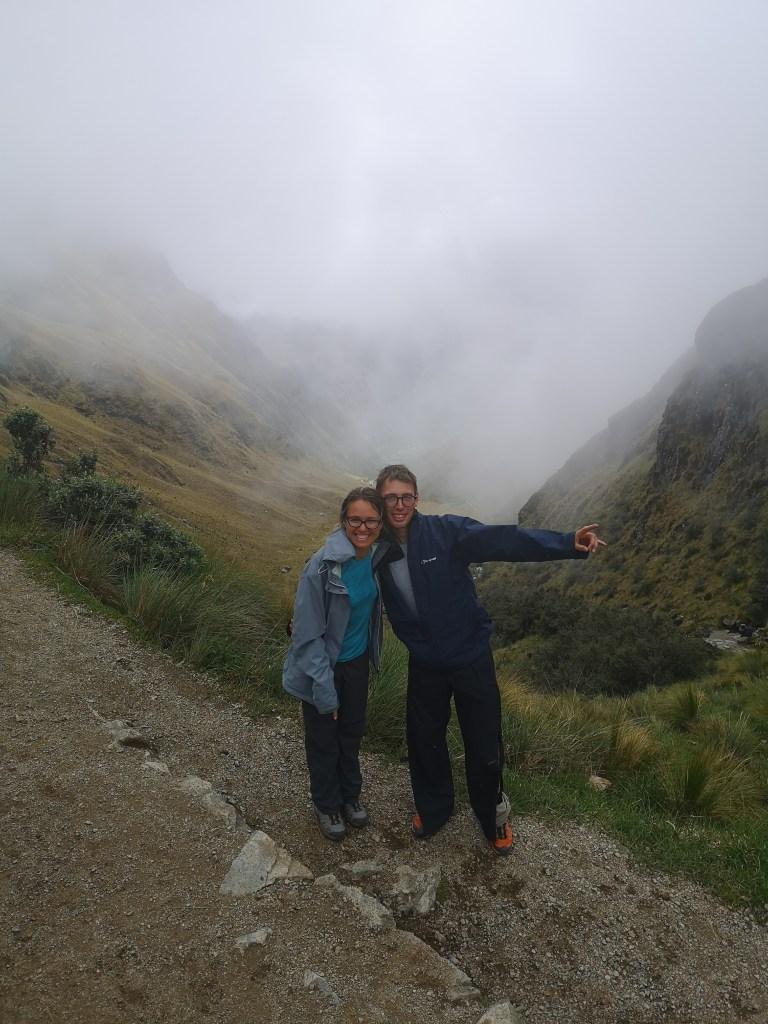
Arriving on the top there is almost nothing left of the view (except for us…)
—
Quando arriviamo in cima non rimane quasi nulla della vista (tranne che noi …)
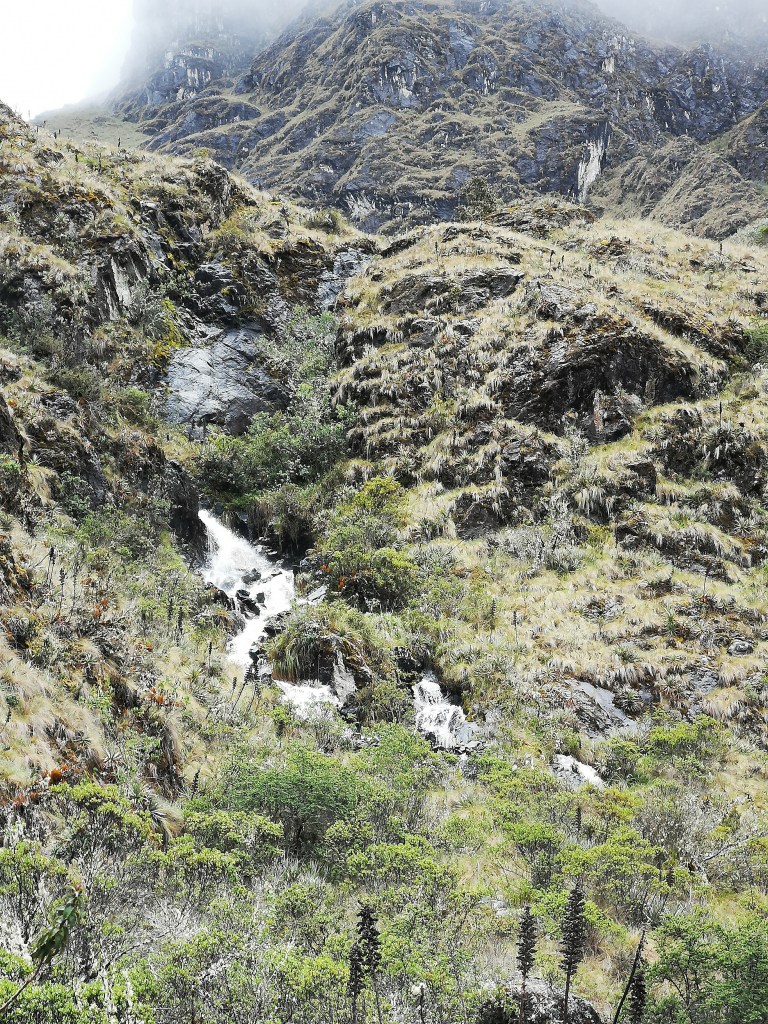
Going down on the other side (which is clearly the rainy side of the mountain) we find roaring rivers and amazing water falls
—
Scendendo dall’altra parte (che è chiaramente il lato piovoso della montagna) troviamo fiumi e cascate meravigliose
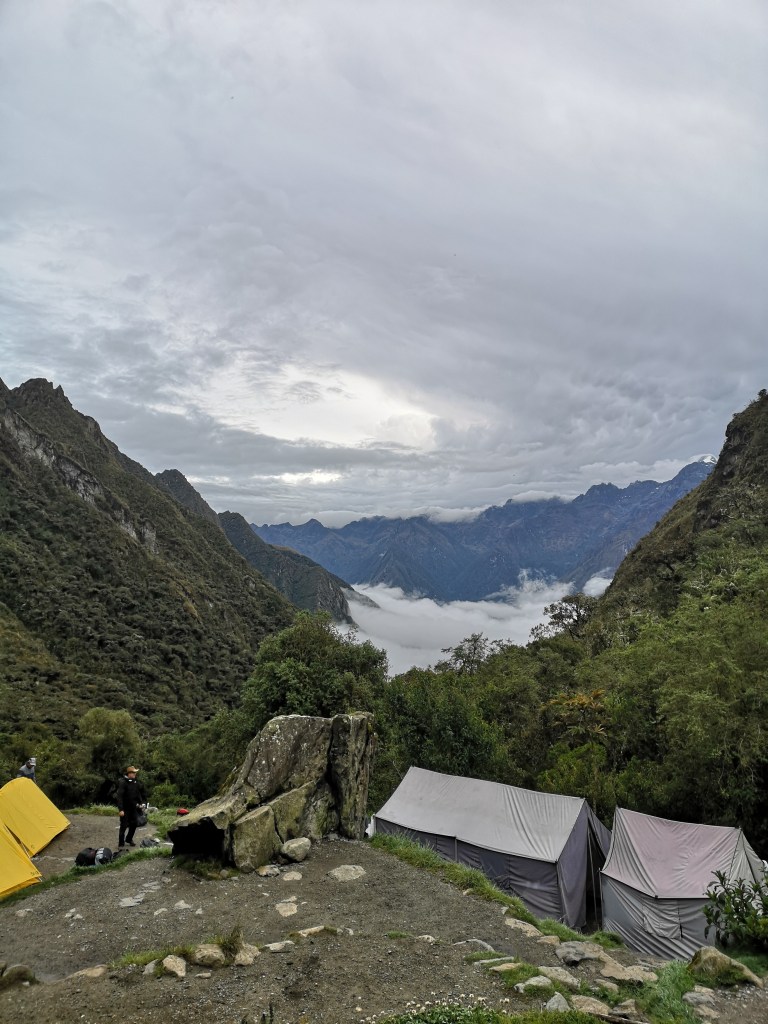
From the campsite we have a great view into the valley
—
Dal campeggio abbiamo una splendida vista sulla valle
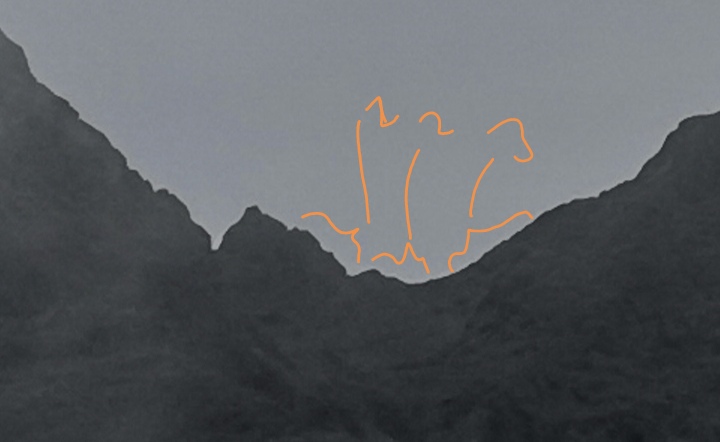
The pass we have just crossed is called “dead woman’s pass”.
If you look at the profile of the pass (from down) you indeed see a woman.
- The face
- Breast/ belly
- Legs
However it does require quite some imagination!
—
Il passo che abbiamo appena attraversato è chiamato “passo della donna morta”.
Se guardi il profilo del passo (dal basso) vedi effettivamente una donna.
- La faccia
- Seno / pancia
- Gambe
Tuttavia richiede un po ‘di immaginazione!
DAY 3: This turns out to be the longest day walk but for most the least heavy, as we are mainly walking down (for me however it’s a never ending day)
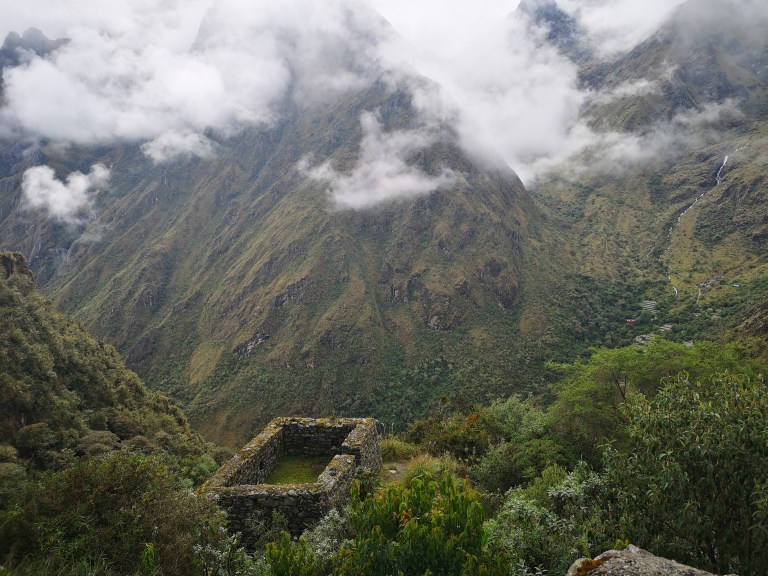
Going down past the first Inka site of the day (a messenger stop, very important during the time of the Inka empire as it was the only way to get information over long distance.)
—
GIORNO 3: Questa è la giornata che richiede il maggior numero di ore di cammino, ma per la maggior parte delle persone è ritenuta poco pesante, visto che camminiamo principalmente in discesa (per me comunque è un giorno senza fine)
Scendendo oltre il primo sito Inka del giorno (una fermata di posta, molto importante durante il periodo dell’impero Inka, poiché era l’unico modo per passare informazioni a lunga distanza).
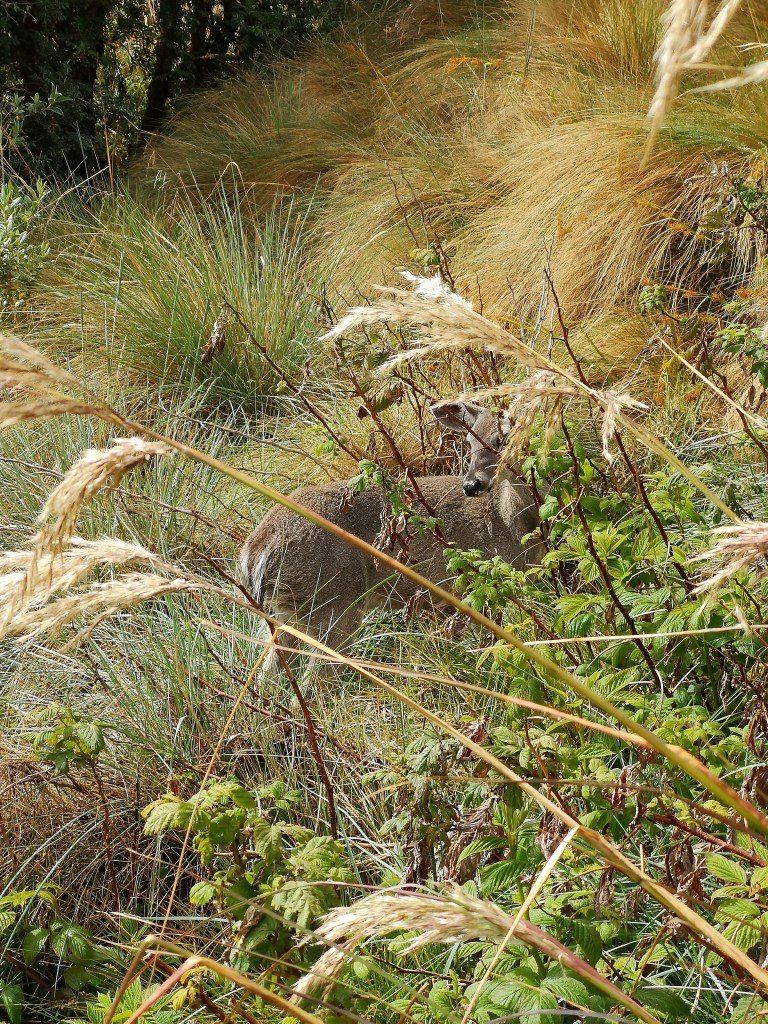
Spotting an Andean deer:
—
Nel frattempo intravediamo un cervo andino:
We arrive at the highest point of the day Qochapata (3950 meters, only slightly lower than the dead woman’s pass of yesterday):
—
Arriviamo al punto più alto del giorno Qochapata (3950 metri, solo leggermente più in basso rispetto al passo della donna morta di ieri):
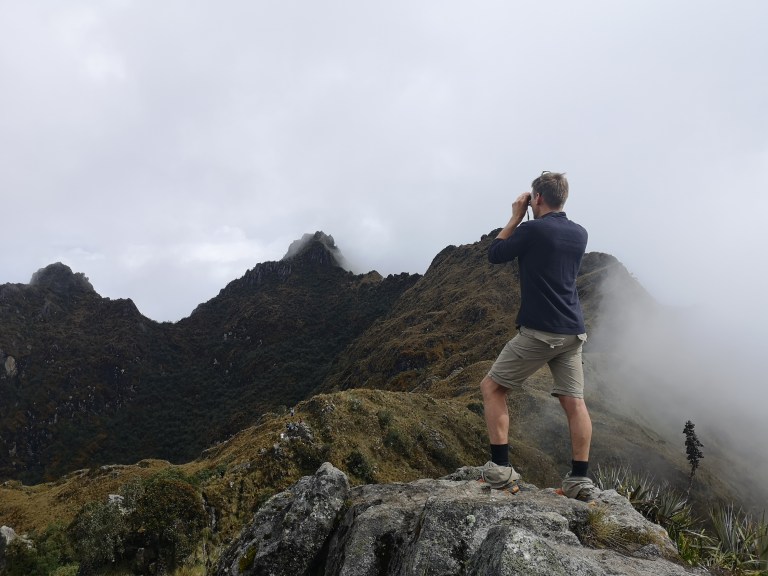
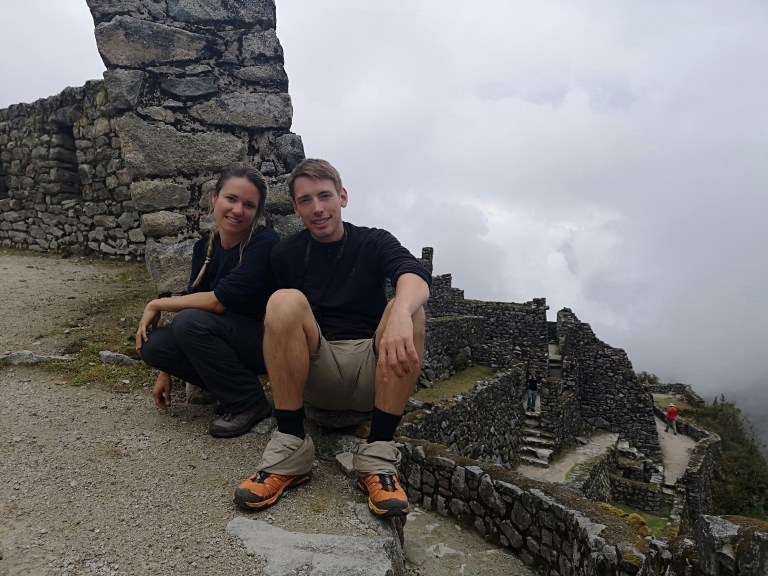
From here it only goes downhill…. Past Inka sights:
—
Da qui solo in discesa …. Con un altro sito Inka da vedere:
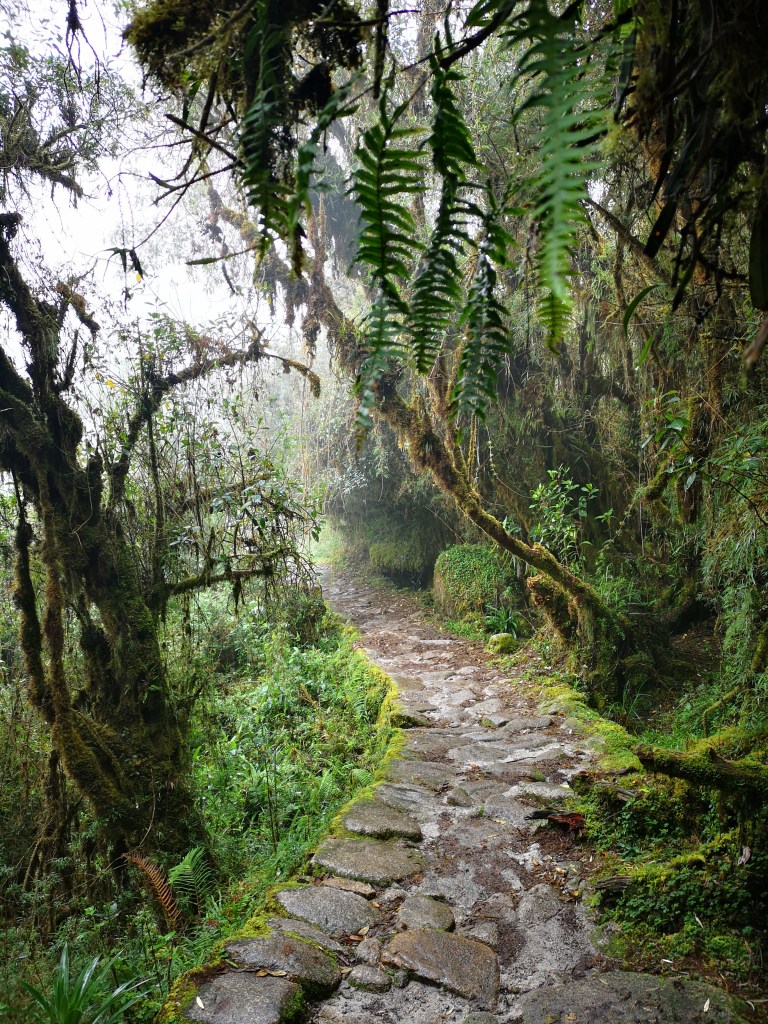
Rainforest:
—
Foresta pluviale:
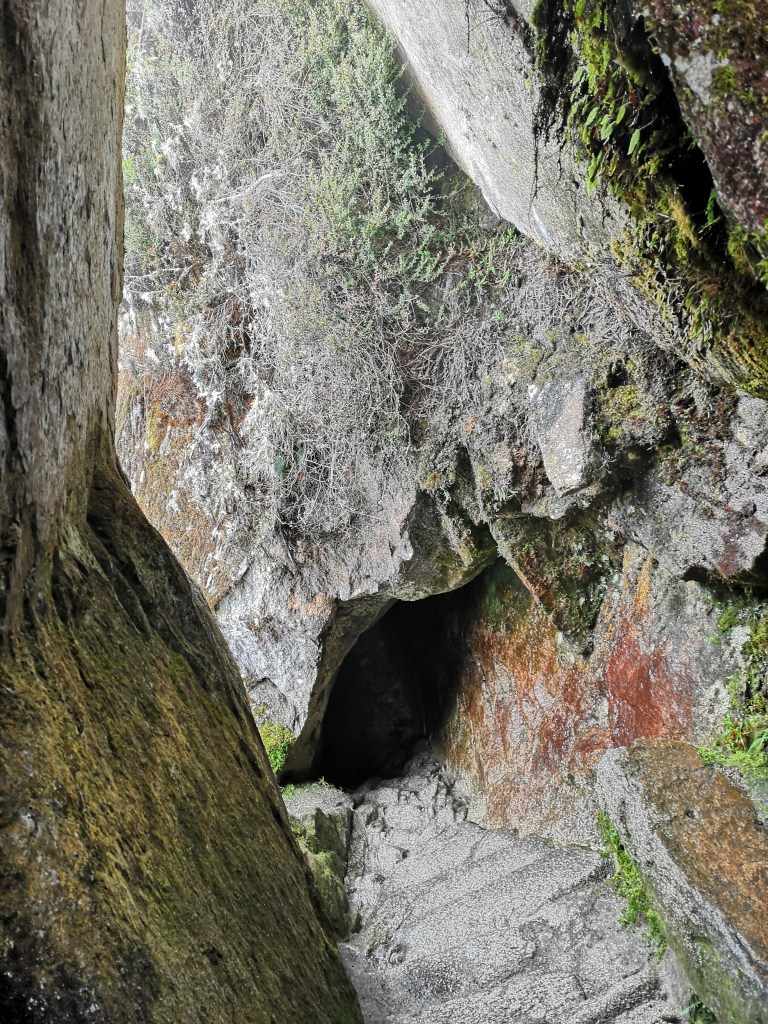
Deep tunnels:
—
Gallerie profonde:
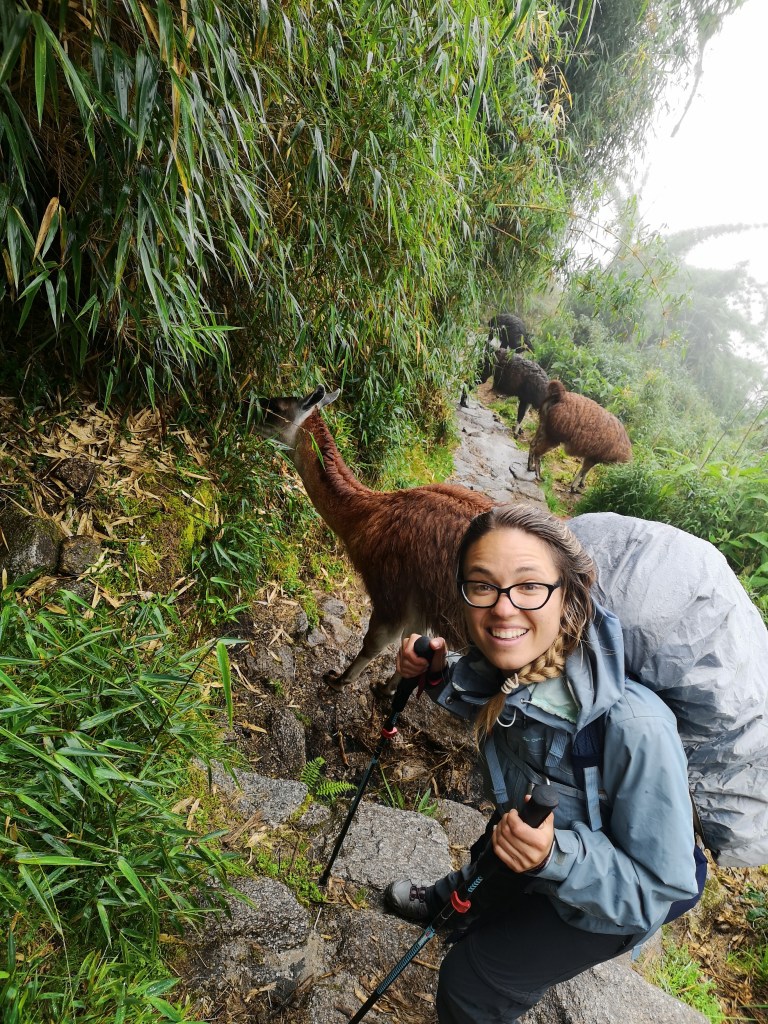
Past a group of Lamas
—
Un gruppo di simpatici lama
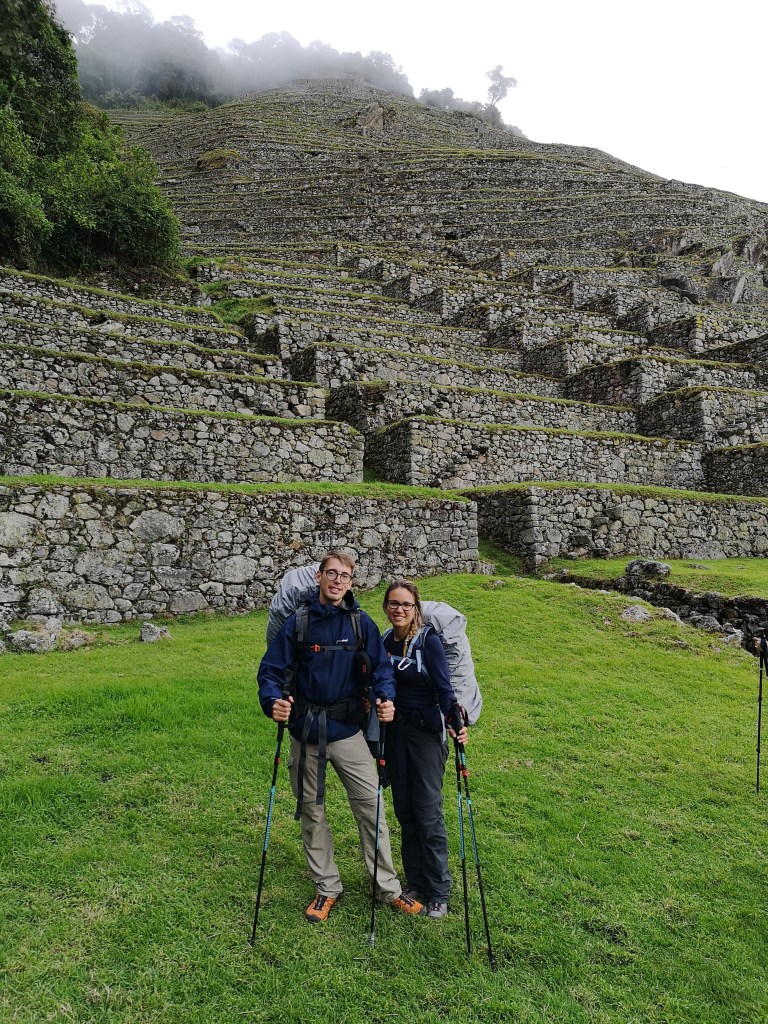
To very well preserved terraces of the Inkas.
—
Un altro sito Inka molto ben preservato.
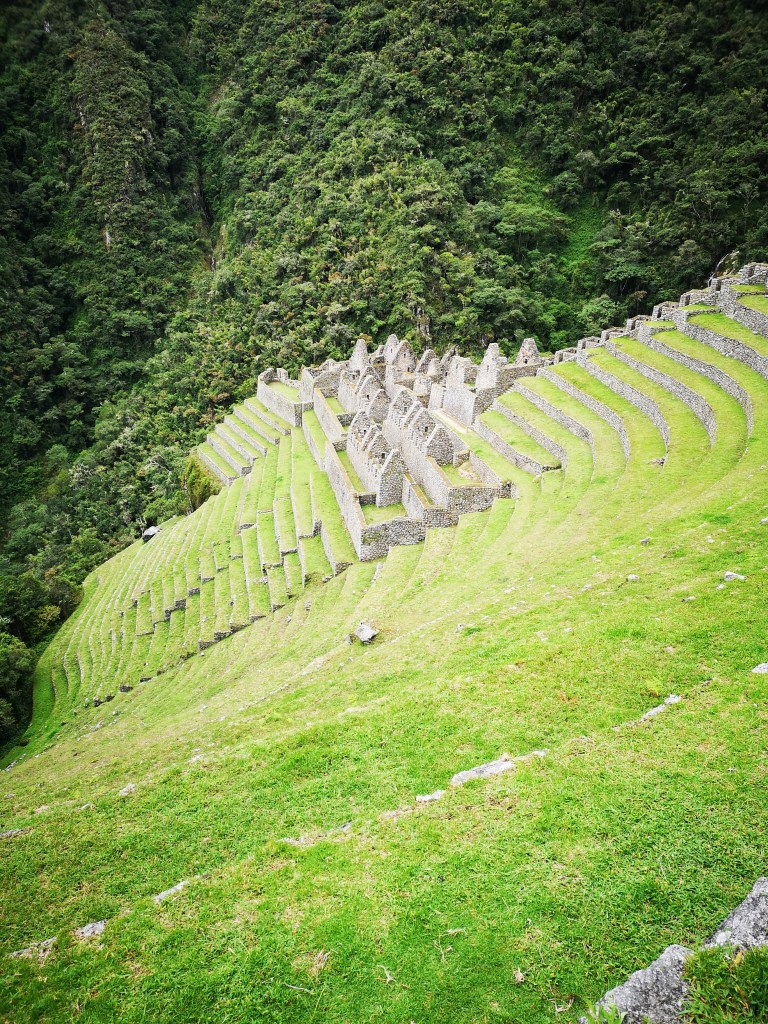
On to our final Inka site for this trip (besides Machu Picchu) Winaywayna (which means “forever young”). A big Inca farm with terraces, temple for the rainbow (god for fertility) and what looks like the houses of the farmers.
As it is past the campsite, not that many tour guides take the effort to go here, we had the site for our group alone.
—
Dopo essere arrivati al campeggio, visitiamo il nostro ultimo sito Inka per questo viaggio (oltre a Machu Picchu), Winaywayna (che significa “per sempre giovane”): un villaggio Inka con terrazze, un tempio dedicato all’arcobaleno (dio della fertilità) e case di agricoltori.
Siccome siamo oltre il campeggio, non molte guide turistiche hanno lo sforzo di andare qui… abbiamo quindi il sito solo per noi.
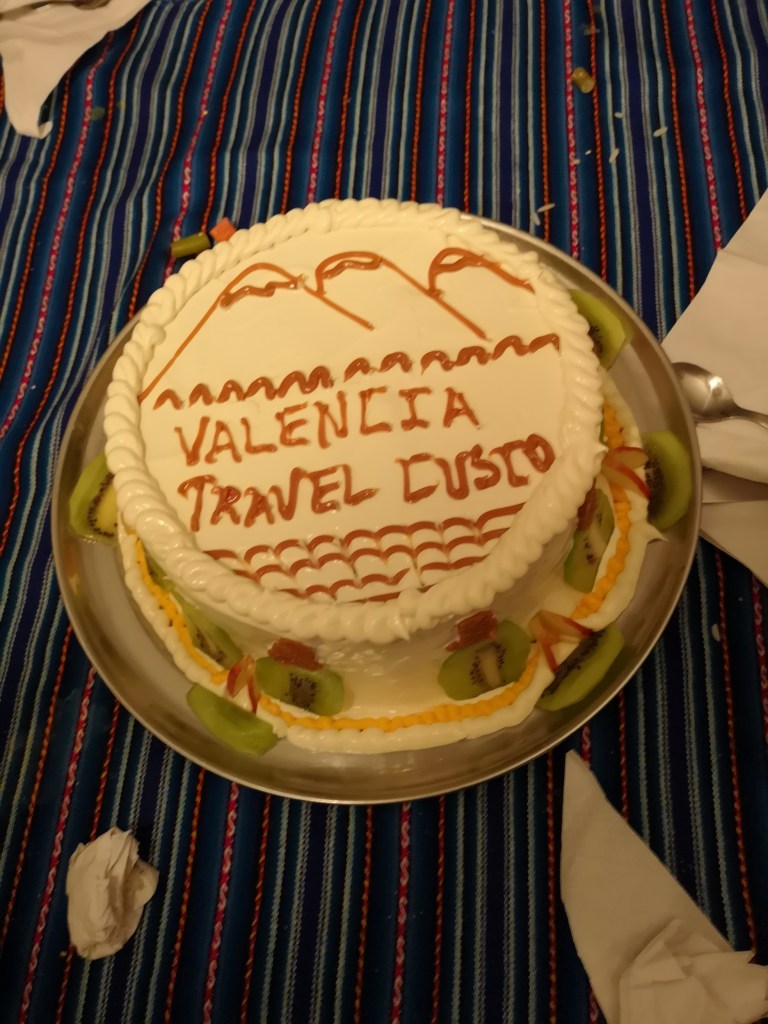
Since this is the final camp day (and Christmas Eve!) we have a special dinner… Concluded with a cake made by the cook on his camp fire stove:
—
Dato che questo è l’ultimo giorno di trekking (e la vigilia di Natale!) Abbiamo una cena speciale … Conclusa con una torta preparata dal cuoco sul suo fornello portatile:
We hit the bed early as tomorrow we are going to see Machu Picchu!
Concluding: the Inca trail is a great walk with amazing views and the guide really added extra dimension with all the stories related to the Inkas.
Walking the trail requires some physical condition. However in the end, walking with a reduced amount of oxygen is probably the biggest challenge. We had spent two weeks at altitudes of 4000 meters, yet we did feel the effects of the height (easily being out of breath, dry mouth, very hungry etc).
The price of the original Inka trail is quite steep (for 4 days, you pay easily 600 pounds). If you would like to walk to Machu Picchu, but not spend a lot, you might want to consider the Salkantay trek. Similar in length, probably a bit higher, but no need for guides and porters which saves a lot of money.
—
Andiamo a letto presto perché domani vedremo Machu Picchu!
Concludendo: il sentiero Inka è una bel percorso con panorami incredibili e la guida ha davvero aggiunto colore con le storie sugli Inkas.
Camminare sul sentiero richiede una buona condizione fisica. Tuttavia, alla fine, camminare con una quantità ridotta di ossigeno è probabilmente la sfida più grande. Noi abbiamo passato due settimane ad un altitudine di 4000 metri, tuttavia abbiamo avvertito gli effetti dell’altezza (senza fiato, bocca secca, ecc.).
Il prezzo del percorso Inka è piuttosto caro (per 4 giorni, si paga facilmente 600 sterline). Se vuoi andare a piedi a Machu Picchu, ma non spendere molto, c’è l’opzione del trekking Salkantay. E’ di lunghezza simile, probabilmente un po’ più alto, ma non richiede guide o facchini, il che fa risparmiare.

