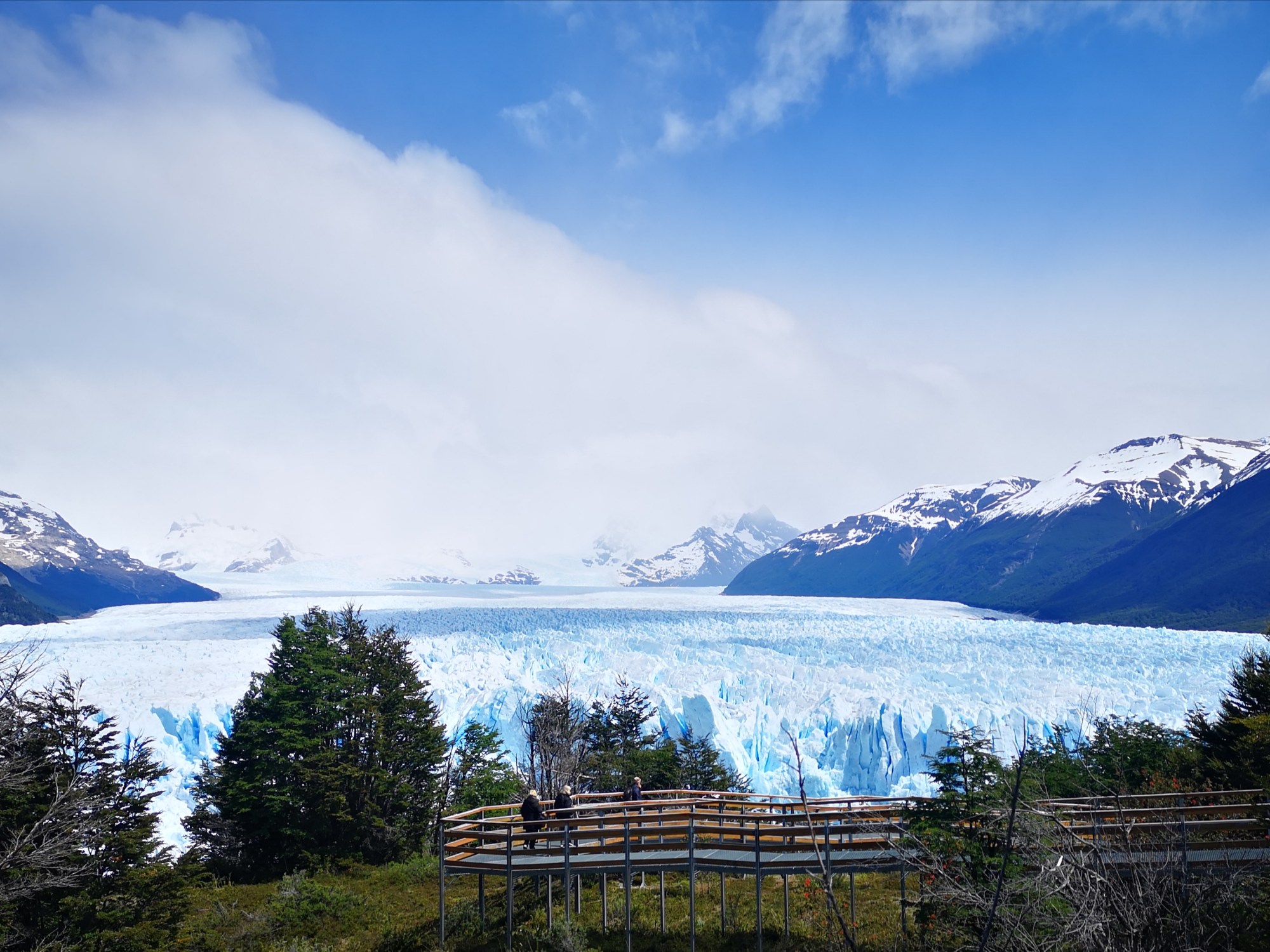
After our amazing week in Buenos Aires, we moved to our next destination: Patagonia. Our itinerary started with Lago Argentino.
Lago Argentino is the largest Argentinian lake and the Southermost of the Patagonian lakes (see map below). El Calafate is the main city on the Lago Argentino and the first stop for our Patagonian leg.
—
Dopo la nostra fantastica settimana a Buenos Aires, siamo giunti alla tappa successiva: la Patagonia. Il nostro itinerario inizia con il Lago Argentino.
Il Lago Argentino è il più grande lago argentino e il più meridionale dei laghi della Patagonia (vedi mappa sotto). El Calafate è la città principale sul Lago Argentino e la prima tappa del nostro tour della Patagonia.
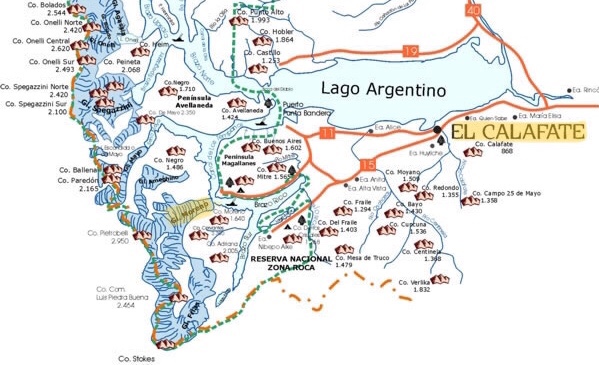
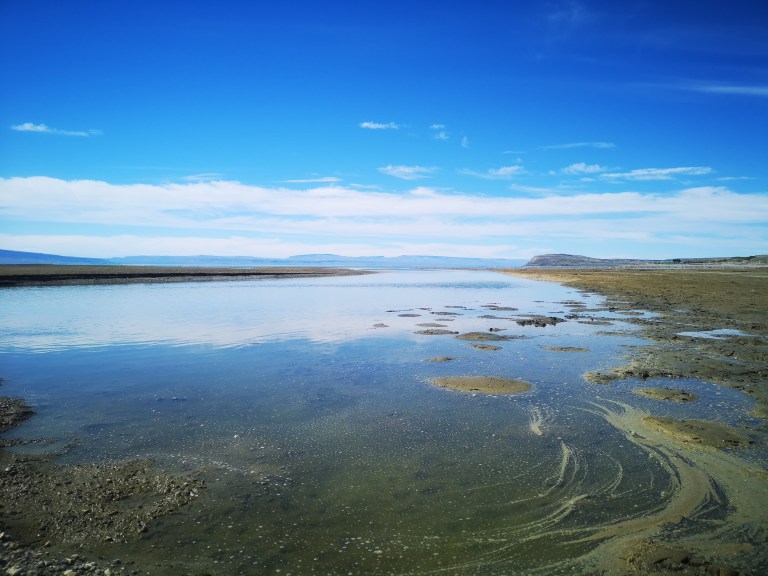
Many tourist go to El Calafate just to visit the Glaciar Perito Moreno (also highlighted in the map), but if you can, please allow some extra time to take a look at the Reserva Nimez (800 m from the town centre), which is on the Lago Argentino.
Below some of the scenery that you come across when walking along the Reserva. Besides the beautiful landscape you can also get sight of many birds.
—
Molti turisti vanno a El Calafate solo per visitare il Glaciar Perito Moreno (segnalato nella mappa), ma se è possibile, vale la pena spendere qualche ora in più per dare un’occhiata alla Reserva Nimez (800 m dal centro della città), sul Lago Argentino.
Di seguito alcune foto scattate nella Reserva. Oltre al bellissimo paesaggio è anche possibile avvistare molti volatili.
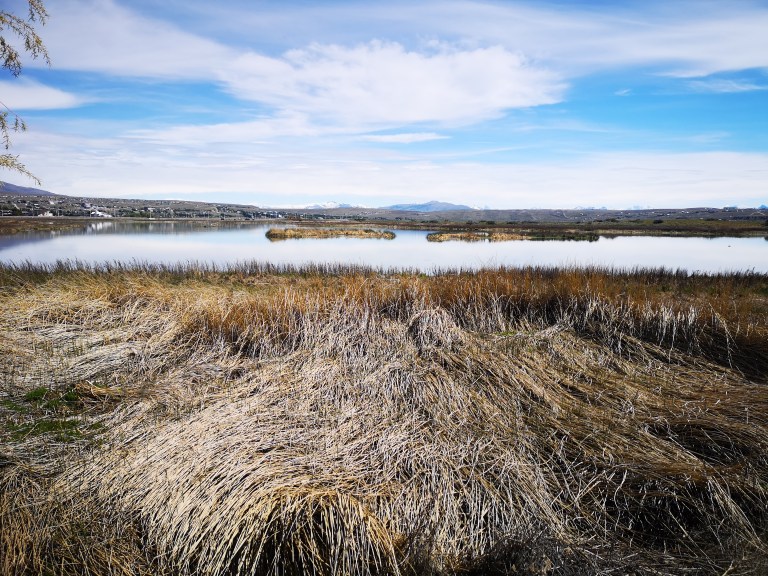
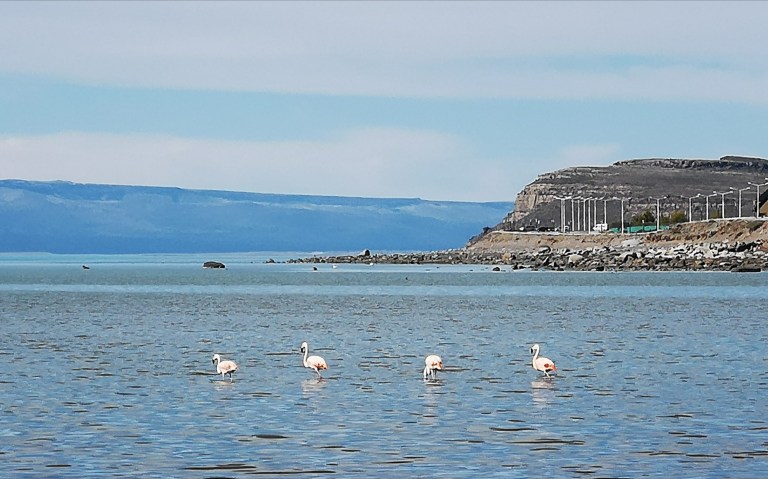
But it doesn’t end here! Access to the Reserva also allows to walk alongside the shore of the lago Argentino, where, if you are lucky enough, you can meet beautiful pink flamingos!!! 💖
Flamingos (like human beings by the way) don’t like to be disturbed, so while they enjoy to wander in the lake and around the shore, they do not hesitate to fly away if you get too close to them…
—
Ma non finisce qui! L’accesso alla Reserva permette anche di camminare lungo la riva del lago Argentino, dove, se si è abbastanza fortunati, si possono incontrare bellissimi fenicotteri rosa !!! 💖
I fenicotteri (come gli esseri umani, tra l’altro) non amano essere disturbati, quindi mentre si divertono a passeggiare nel lago e intorno alla riva, non esitano a volare via se ti avvicini troppo a loro …
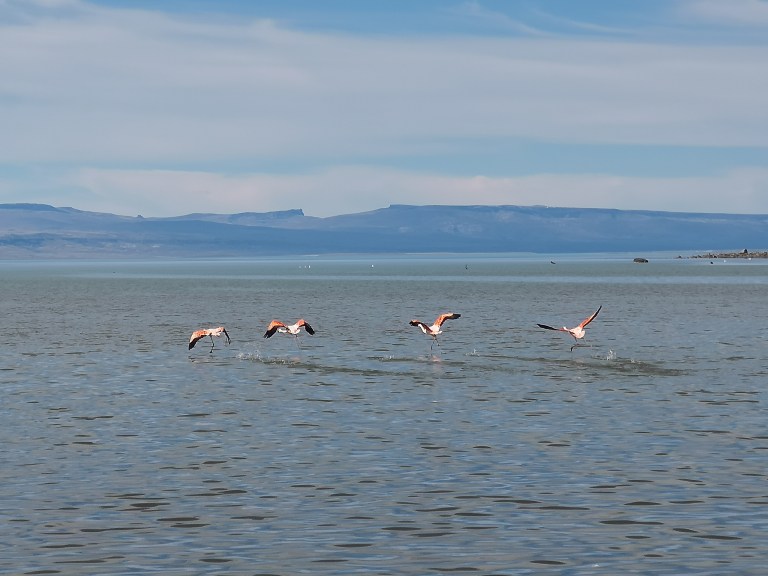
…which is of course what we did and they spread their wings and waved farewell!!!
—
… che è ovviamente quello che abbiamo fatto e addio fenicotteri !!!
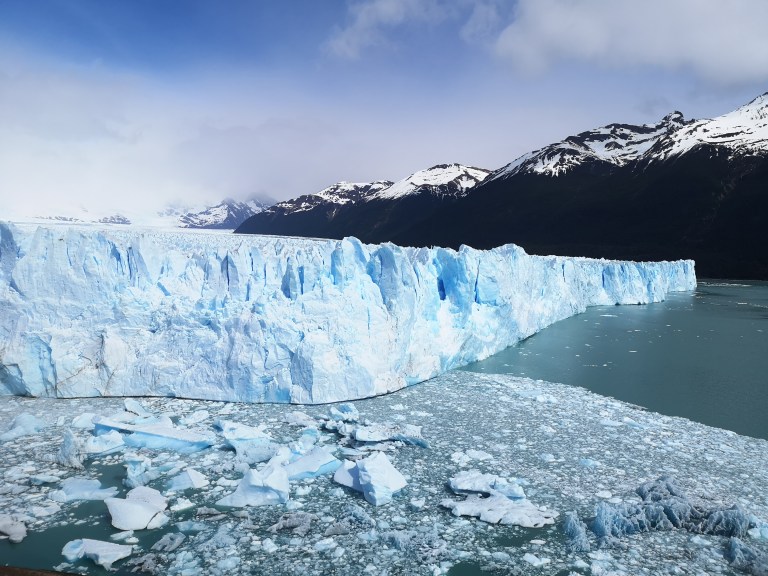
The next stop on the Lago Argentino was the Glaciar Perito Moreno. Although not the largest one in South America (250 sq km vs Glaciar Upsala 870 sq km), the Perito Moreno is more famous as it is more accessible. A 4.000m of steel catwalks allow to admire it and to listen to ice crack as it leaves the glacier to fall into the lake.
The Glacier is 70m high at its highest point and it spreads until the horizon… I had never seen a glacier before and the view was incredible. We were also very lucky to get a lovely weather, and (as we are still in the shoulder season) the site was still not crowded with tourists! (our line bus from El Calafate only had 8 people in it!)
—
La seconda tappa sul Lago Argentino e’ stato il Glaciar Perito Moreno. Sebbene non sia il più grande in Sud America (250 kmq rispetto a Glaciar Upsala 870 kmq), il Perito Moreno è più famoso in quanto è il più accessibile. Una passerella lunga 4,000 metri in acciaio permette di ammirarlo e di ascoltare il suono del ghiaccio mentre si stacca dal ghiacciaio e cade nel lago.
Il ghiacciaio è alto 70 metri nel punto più alto e si estende fino all’orizzonte … Non avevo mai visto un ghiacciaio prima e la vista e’ stata incredibile. Siamo stati anche molto fortunati ad avere un tempo perfetto, e (dato che non siamo ancora in altissima stagione) il sito non era ancora affollato di turisti! (il nostro autobus di linea da El Calafate aveva solo 8 persone!)
3 interesting facts:
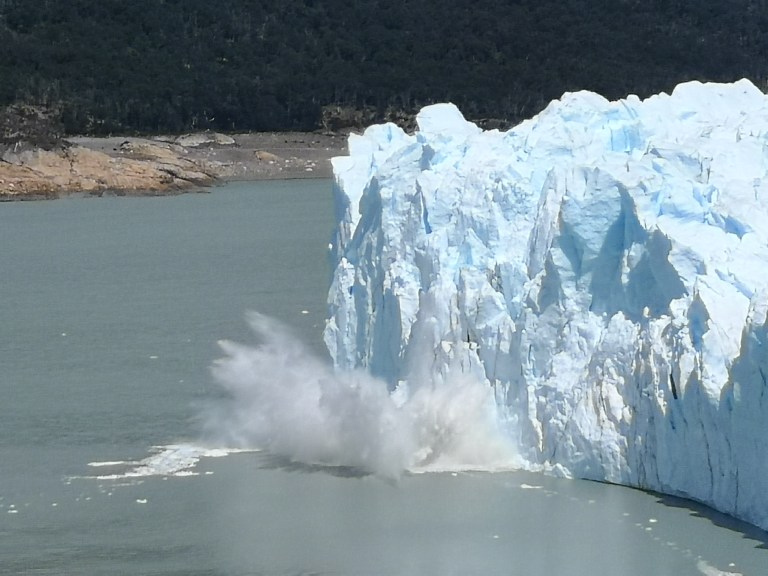
1. Listening to the ice crack is mesmerising and more impressive than the sight of it. Whilst I was trying to catch a picture of Serge, a large block of ice cracked and it was by chance captured on camera (see below). There are professional photographers waiting for hours for large chunks to fall in order to capture the event in the perfect picture!
—
3 fatti interessanti:
1. Ascoltare la rottura del ghiaccio è ipnotizzante. Mentre stavo cercando di fotografare Serge, un grande blocco di ghiaccio si è staccato dal ghiacciaio ed è stato per caso catturato in foto (vedi sotto). Ci sono fotografi professionisti che aspettano ore per catturare la caduta di grandi pezzi di ghiaccio nella foto perfetta!
2. All this cracking + global warming – the Glaciar must be reducing in size!?! WRONG! The Glaciar has been expanding steadily until 1917, when it reached the shore, damming the southern arm (“Brazo Rico”) of Lago Argentino separating it from the rest of the lake. With no outlet, the water level on the “Brazo Rico” side of the lake can rise by as much as 30 meters above the level of the main body of Lago Argentino. Intermittently, the pressure produced by the height of the dammed water breaks through the ice barrier causing a spectacular rupture, sending a massive outpouring of water from the Brazo Rico to the main body of Lago Argentino. This happens every 4-5 years and draws flocks of tourists! (Last event was in 2016)
3. What is – who is Perito Moreno? He was a naturalist and explorer who played an important part to define the boundaries between Chile and Argentina. Ironically, he never reached the glacier that bears his name
Are you still undecided whether it is worth paying a visit to the Lago Argentino??
—
2. Tutto questa rottura + riscaldamento globale – il ghiacciaio si starà riducendo!?! SBAGLIATO! Il Glaciar si è espanso costantemente fino al 1917, quando ha raggiunto la riva, bloccando il braccio meridionale (“Brazo Rico”) del Lago Argentino che lo separava dal resto del lago. Senza sbocco, il livello dell’acqua sul lato “Brazo Rico” del lago può salire di ben 30 metri sopra il livello del corpo principale del Lago Argentino. A intermittenza, la pressione prodotta dall’altezza dell’acqua rompe la barriera di ghiaccio provocando una rottura spettacolare, inviando una massiccia quantità di acqua dal Brazo Rico al corpo principale del Lago Argentino. Succede ogni 4-5 anni e attira greggi di turisti! (L’ultimo evento è stato nel 2016)
3. Che cos’è – chi è Perito Moreno? Era un naturalista ed esploratore che ha svolto un ruolo importante nel definire i confini tra Cile e Argentina. Ironicamente, non ha mai raggiunto il ghiacciaio che porta il suo nome.
Sei ancora indeciso se vale la pena visitare il Lago Argentino ??
 Maria & Serge
Living the dream guys :). Patagonia is right up on my list.
LikeLike