All good things come to an end, however before the end there is the grand finale…. Suriname!
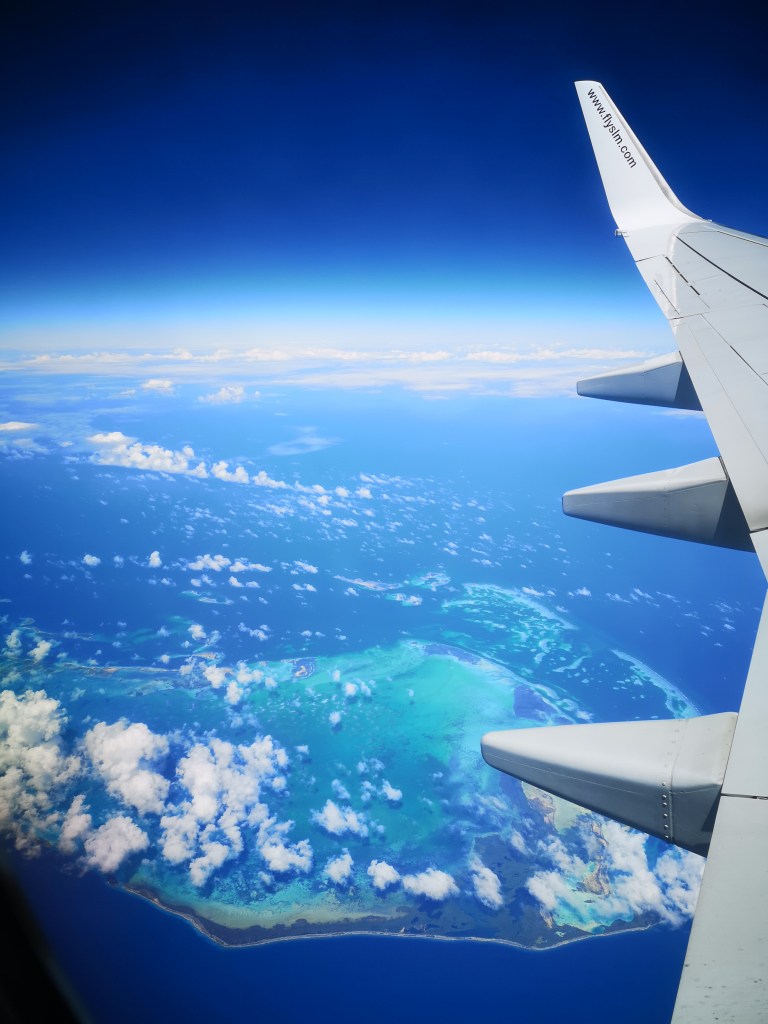
We arrive with the afternoon flight from Curacao. Flying over deserted islands
—
Tutte le cose belle finiscono, ma prima della fine c’è il gran finale …. Suriname!
Arriviamo con il volo del pomeriggio da Curacao volando sopra isole deserte
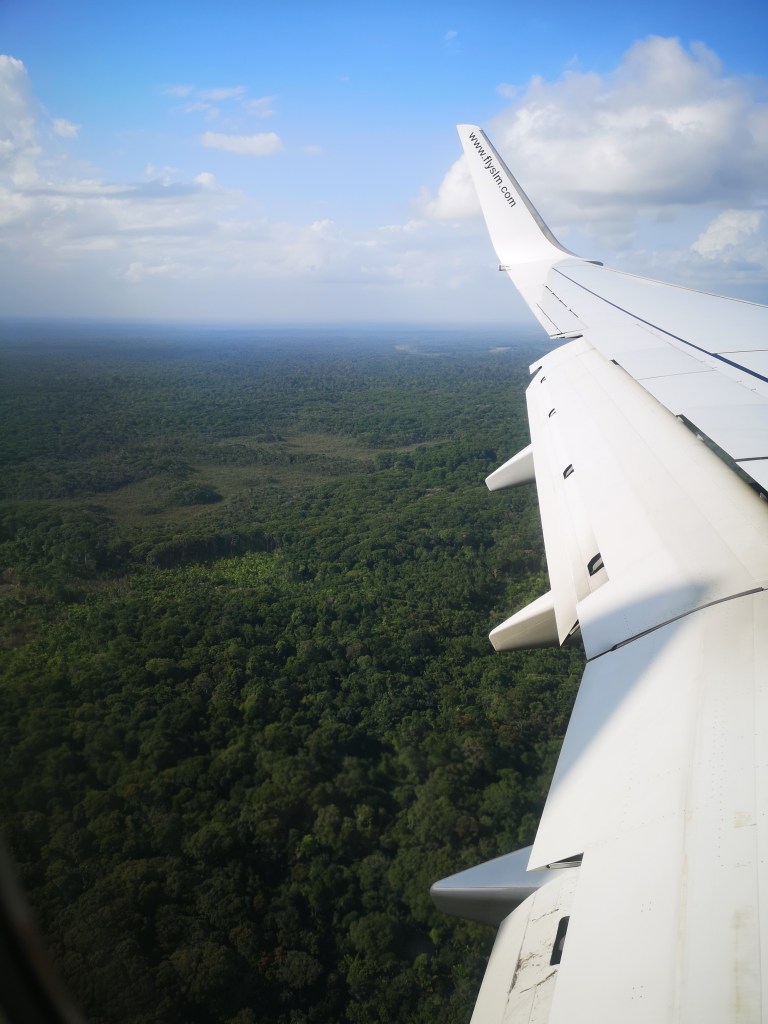
The Zanderij airport is located in the middle of the rain forest.. Trees is all we can see…
—
L’aeroporto Zanderij si trova nel mezzo della foresta pluviale… Non si vedono altro che alberi, alberi fino all’orizzonte
And then, we finally arrive.
—
E poi, finalmente arriviamo.

In Suriname there are no seasons like we have in Europe. Their seasons consist of the rainy season and the dry season. We arrive at the end of the minor rain season and the start of the minor dry season. And in fact in the taxi from the airport to the centre of Paramaribo (about 40 minutes over the 50 km/h “highway”) it starts raining.
We arrive at 1800 hrs in the hotel. Everything in Paramaribo (the capital!) is closed. But not the roti bar (roti is a Suriname spicy dish, has a sort of pancake with chicken, potato and green beans). Hence we have an amazing fiery introduction into the Suriname kitchen😀
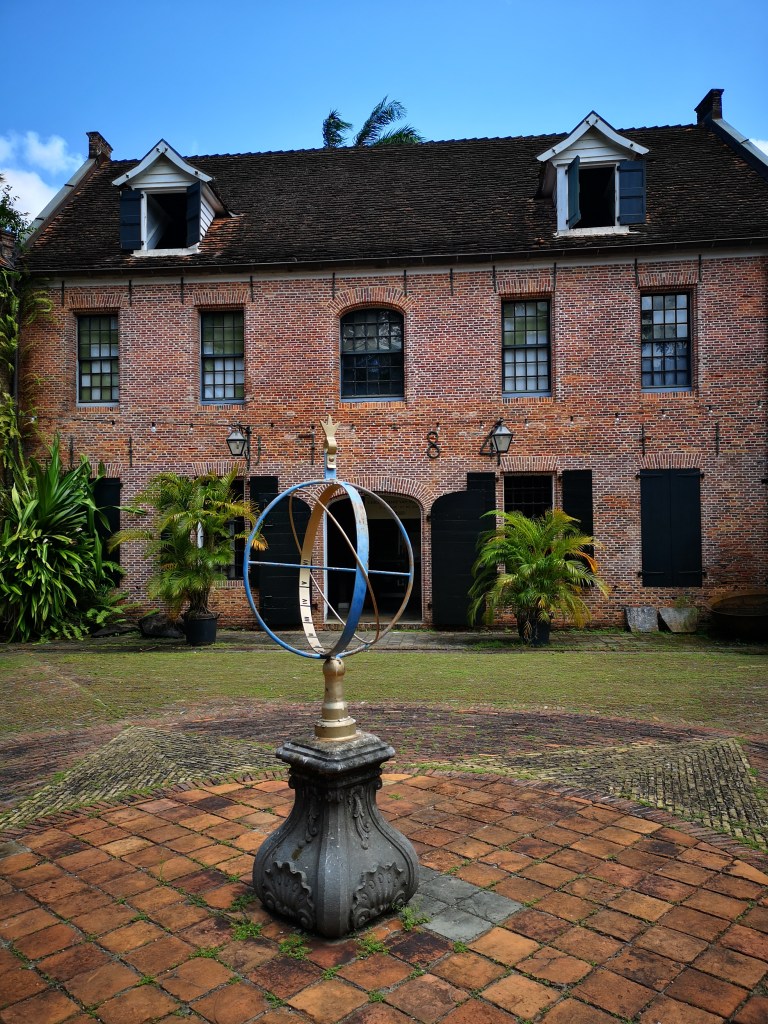
The next day we visit fort Zeelandia. This fort was built by the British when they colonised Suriname (together with British Guiana).
The people from the province of “Zeeland” (in the south west of the Netherlands) sponsored a trip to capture Suriname from the British.
Once they succeeded, the fort was renamed to fort Zeelandia to remember their sponsors.
—
In Suriname non ci sono stagioni come in Europa. Le loro stagioni consistono nella stagione delle piogge e nella stagione secca. Arriviamo tra la fine della “piccola stagione delle piogge” e l’inizio della “piccola stagione secca”. E infatti nel taxi dall’aeroporto al centro di Paramaribo (circa 40 minuti sull’ “autostrada” a 50 km / h) inizia a piovere.
Arriviamo alle ore 1800 nell’hotel. Tutto a Paramaribo (la capitale!) è chiuso. Ma non il roti bar (roti è un piatto piccante del Suriname, ha una specie di pancake con pollo, patate e fagiolini). Quindi abbiamo una calorosa (o meglio dire piccante) introduzione alla cucina del Suriname😀
Il giorno dopo visitiamo il forte Zeelandia. Questo forte fu costruito dagli inglesi quando colonizzarono il Suriname (insieme alla Guiana britannica).
Le persone della provincia di “Zeeland” (nel sud-ovest dei Paesi Bassi) hanno sponsorizzato un viaggio per catturare il Suriname dagli inglesi.
Una volta riusciti, il forte fu rinominato in fort Zeelandia per ricordare i loro sponsor.
So much for cultural stuff. We want to see some of the famous Amazones. As we only have two more full days we book two trips to go to the jungle.
The first day we go to the “Brownsberg” this is a natural reserve in the middle of the jungle about two hours away from Paramaribo.
After a shaky ride through the jungle (being shaken like a salt shaker, up to the point where we experience weightlessness…) We arrive at the Brownsberg.
—
Ma basta a fare gli acculturati. Vogliamo vedere un po’ della famosa Amazzonia. Poiché abbiamo solo altri due giorni interi, prenotiamo due viaggi per andare nella giungla.
Il primo giorno andiamo al “Brownsberg”: questa è una riserva naturale nel mezzo della giungla a circa due ore da Paramaribo.
Dopo un traballante viaggio attraverso la giungla (essere scossi come una saliera, fino al punto in cui sperimentiamo l’assenza di gravità …) arriviamo a Brownsberg.

This natural reserve overlooks the “Brokopondo lake” a lake especially made for generating energy for the Bauxite (Aluminium) industry. The islands on the above picture used to be little hills.
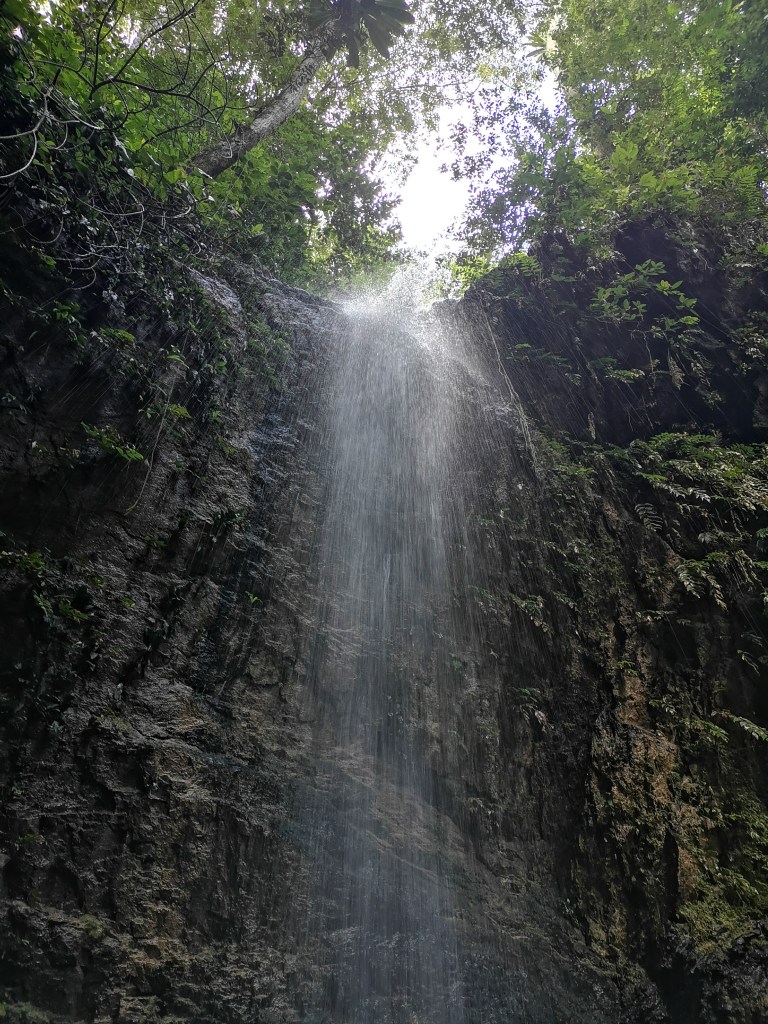
After a bit of a walk we arrive at the waterfall. Where we take a shower (sorry only not so flattering photos of us under the waterfall, hence you will have to do it with a picture of the waterfall only!)
—
Questa riserva naturale si affaccia sul “lago Brokopondo”, un lago creato appositamente per produrre energia per l’industria della bauxite (alluminio). Le isole nella foto sopra erano piccole colline.
Dopo un po’ di camminata arriviamo alla cascata. Dove facciamo una doccia (scusate, abbiamo foto non troppo lusinghiere di noi sotto la cascata, accontentatevi della cascata senza di noi!)
On the way to the lunch we even find some monkeys roaming around!
—
Sulla strada per il pranzo troviamo persino alcune scimmie che gironzolano!
The next day, we go in more or less the same direction. But this time end up in Berg en Dal. Berg en Dal is a resort in the middle of the jungle. They have little cabins in the woods next to the Suriname river and an adventure centre where we will be doing some hiking, kayaking and zip lining!
—
Il giorno dopo, andiamo più o meno nella stessa direzione. Ma questa volta arriviamo a Berg en Dal. Berg en Dal è un resort nel mezzo della giungla. Ci sono delle piccole capanne nei boschi vicino al Suriname river e un centro avventura dove faremo escursioni, kayak e zipline!

We start first with a small hike, about 40 meters up the “blue” hill. Here we find a number of graves (as people used to believe that they were closer to God on a hill, they buried their dead on the hill)
Starting with the graves of the slaves
—
Iniziamo con una piccola escursione, a circa 40 metri sulla collina “blu”. Qui troviamo un certo numero di tombe (poiché le persone credevano di essere più vicine a Dio su una collina, seppellivano i loro morti sulla collina)
A partire dalle tombe degli schiavi
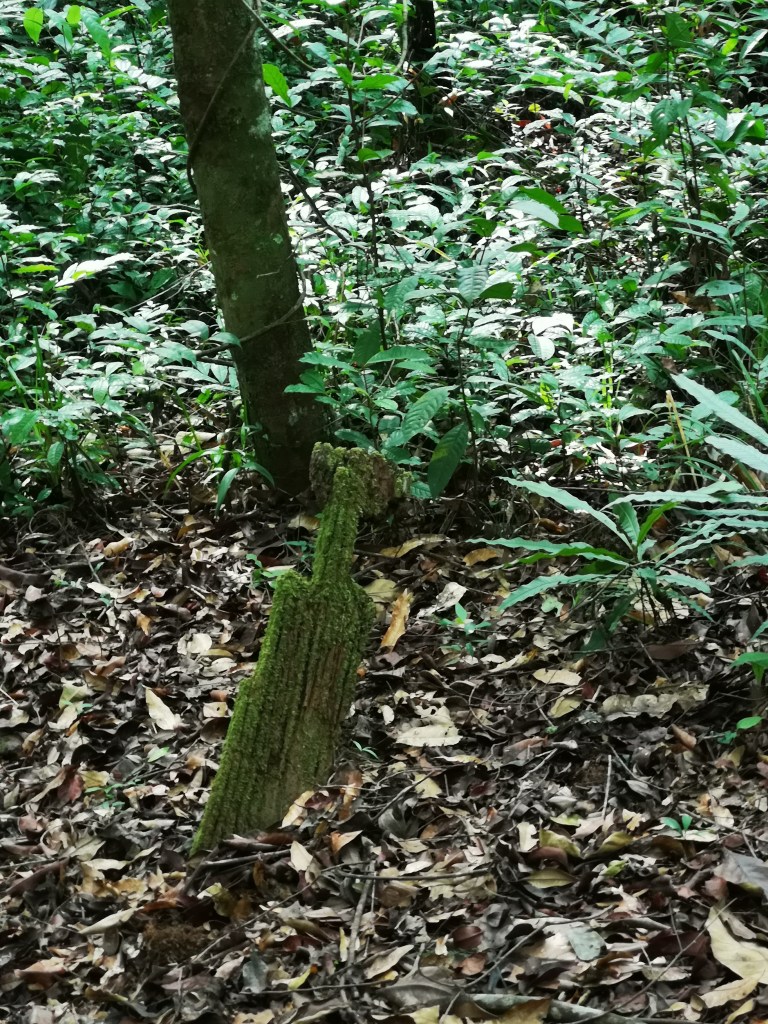
We arrive at the more elaborate graves from the masters and the missionaries.
—
Arriviamo alle tombe più elaborate dei maestri e dei missionari.

After slavery ended (1863) the whole plantage was bought by a German group of protestant missionaries (Moravian Church). Their mission was to teach the freed slaves to read and write.
After many ups and downs (in the early 20th century Berg & Dal became notorious due to its many cases of malaria and during the civil war Berg & Dal was deserted) the owners decided to make it a resort. In 2008 it opened with financial support of the Netherlands, the Suriname government and some local investors.
The second activity we do is zip lining. There are about 9 zip lines, of which we do 5.
The longest goes straight over the Suriname river. Our guide goes first and we follow….
—
Terminata la schiavitù (1863) l’intero impianto fu acquistato da un gruppo tedesco di missionari protestanti (Chiesa della Moravia). La loro missione era insegnare agli schiavi liberati a leggere e scrivere.
Dopo molti alti e bassi (all’inizio del XX secolo Berg & Dal divenne famoso per i suoi numerosi casi di malaria e durante la guerra civile Berg & Dal era deserto) i proprietari decisero di trasformarlo in un resort. Nel 2008 è stato aperto con il sostegno finanziario dei Paesi Bassi, del governo del Suriname e di alcuni investitori locali.
La seconda attività che facciamo è il rivestimento zip. Ci sono circa 9 linee, di cui ne facciamo 5.
Il più lungo va dritto sul fiume Suriname. La nostra guida va prima e noi seguiamo ….
Finally we finish of with some kayaking (and a tropical rain storm)
Our last day in Suriname and the end of an amazing three months in South America!
We start with a visit to the coffee plantage “the peperpot”.
—
Continuiamo con un po ‘di kayak (e una tempesta tropicale)
Ed eccoci arrivati al nostro ultimo giorno in Suriname e la fine di tre mesi meravigliosi in Sud America!
Iniziamo con una visita al piantagione di caffè “il peperpot”.

This used to be a coffee plantage, founded by the majorly Javanese population that used to live on this side of the river.
—
Questa era una piantagione di caffè, fondata dalla popolazione prevalentemente giavanese che viveva su questo lato del fiume.
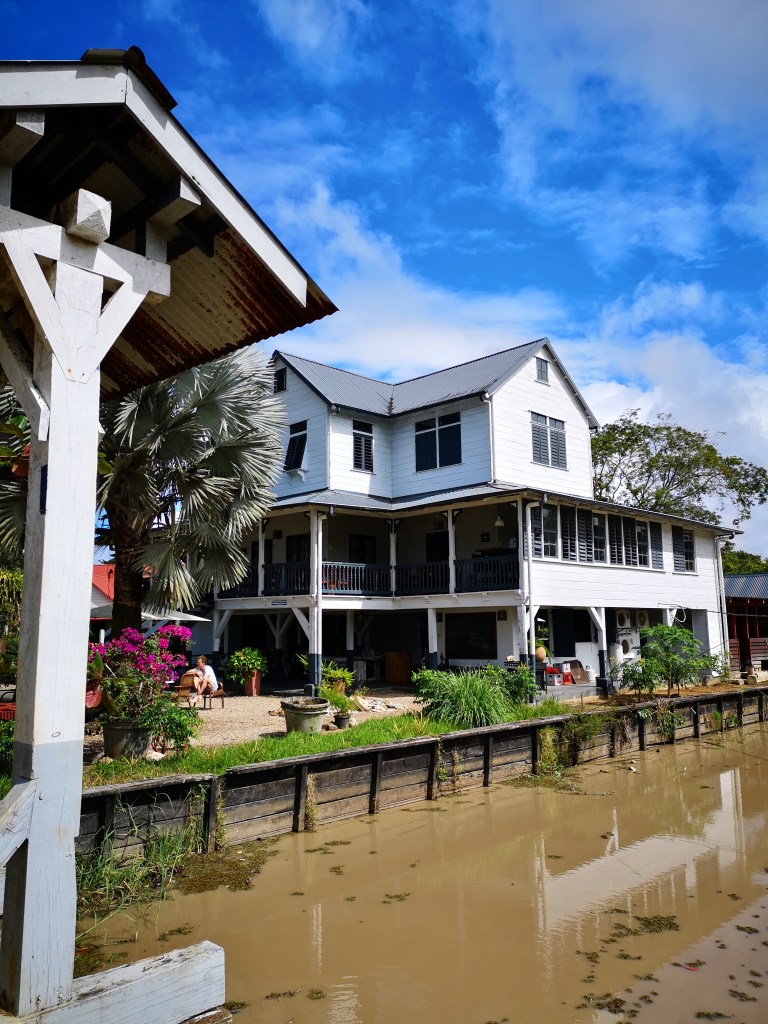
The board house has recently been renovated and houses a boutique hotel.
The days of the plantage are long gone, however there are some trails that we can walk.
Seeing monkeys (with some patience!)
—
La pensione è stata rinnovata di recente e ospita un hotel boutique.
I giorni della piantagione sono ormai lontani, tuttavia ci sono alcuni sentieri che possiamo percorrere.
Vediamo scimmie (con un po ‘di pazienza!)
As well as very bright colored flowers
—
Così come i fiori colorati molto luminosi

We end up at the end of the plantage, here we take the boat back to our hotel.
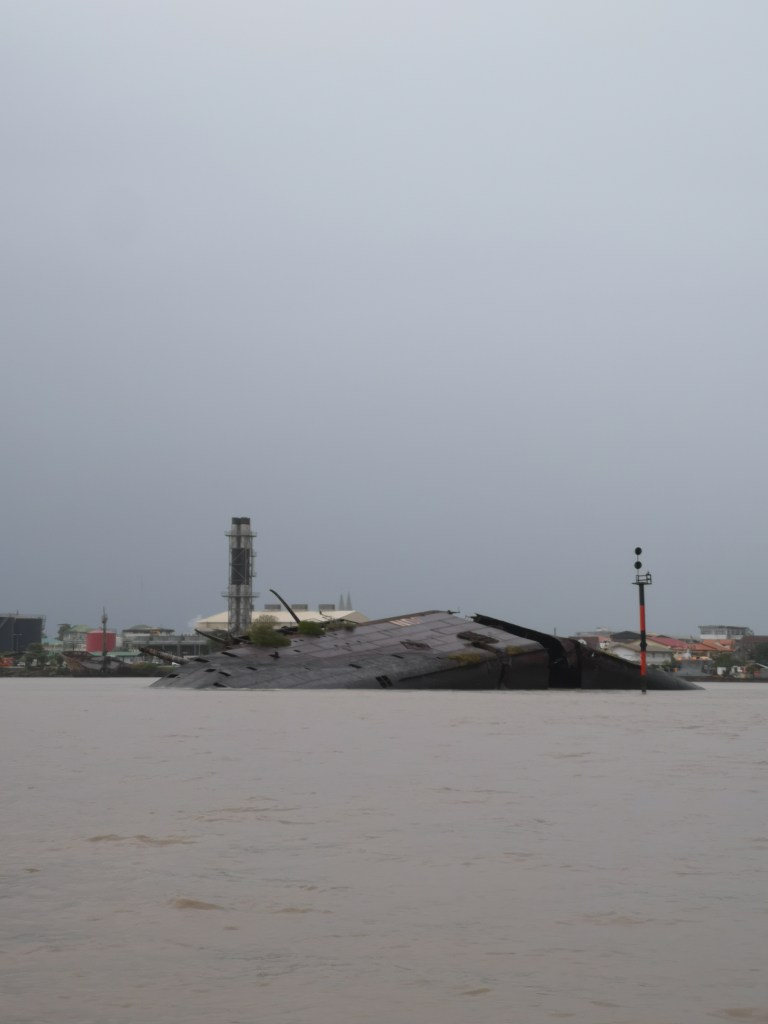
Passing by a German ship wreck from world war 2… Yes it has been laying in the middle of the river for the last 75 years, German quality is never compromised!
—
Finiamo il nostro percorso all’altro lato della piantagione, qui riprendiamo la barca per il nostro hotel.
Passiamo vicino ad un relitto di una nave tedesco della seconda guerra mondiale … Sì, è stata in mezzo al fiume per gli ultimi 75 anni, garanzia di qualità tedesca!
A taxi ride to the airport is all that remains…
—
Una corsa in taxi per l’aeroporto è tutto ciò che rimane …

Back home, we arrive to a rainy London…
—
Tornati a casa, arriviamo a Londra piovosa …
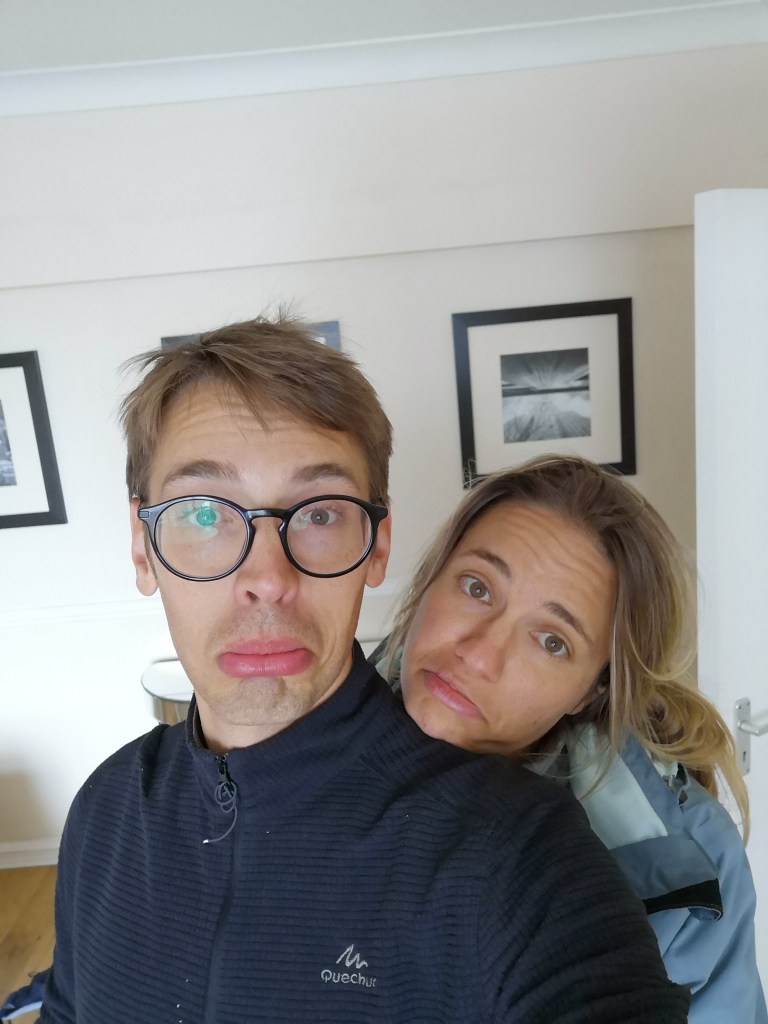
…like we never left, hello everyday life!
This journey came to an end, but life continues! Keep an eye on this blog to see what further adventures we continue in!
—
… come se non ce ne fossimo mai andati, ritornati alla vita di tutti i giorni!
Questo viaggio è finito, ma la vita continua! Tenete d’occhio questo blog per vedere in quali altre avventure ci imbarcheremo!
 Maria & Serge