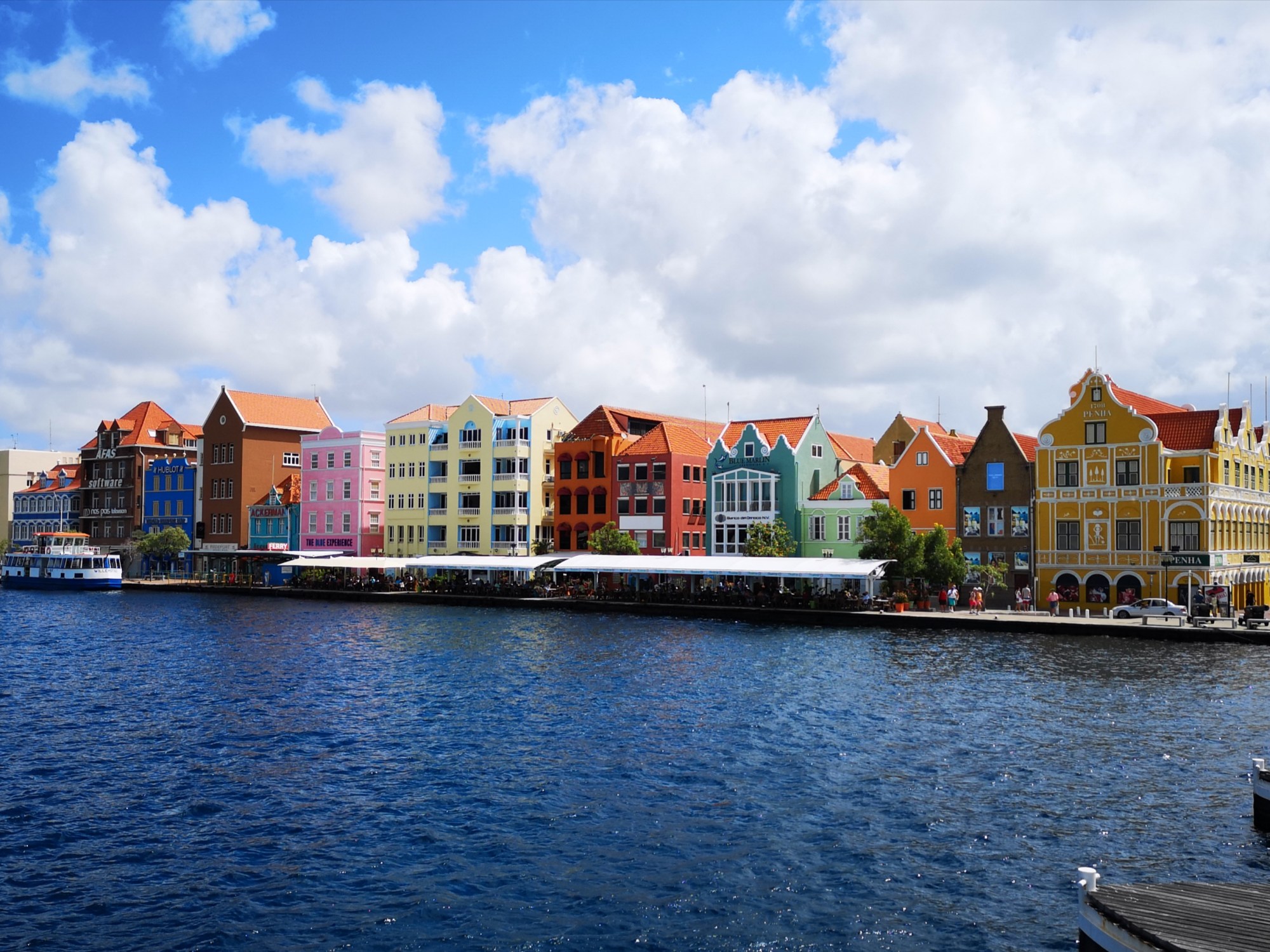
Take the Netherlands, redistribute the water and make it an island, add the sun and raise the temperature to 25-30 degrees, remove the bicycles and most of the windmills and you will find yourself in… Curaçao! (ok, the two countries are not really the same, forget this experiment)
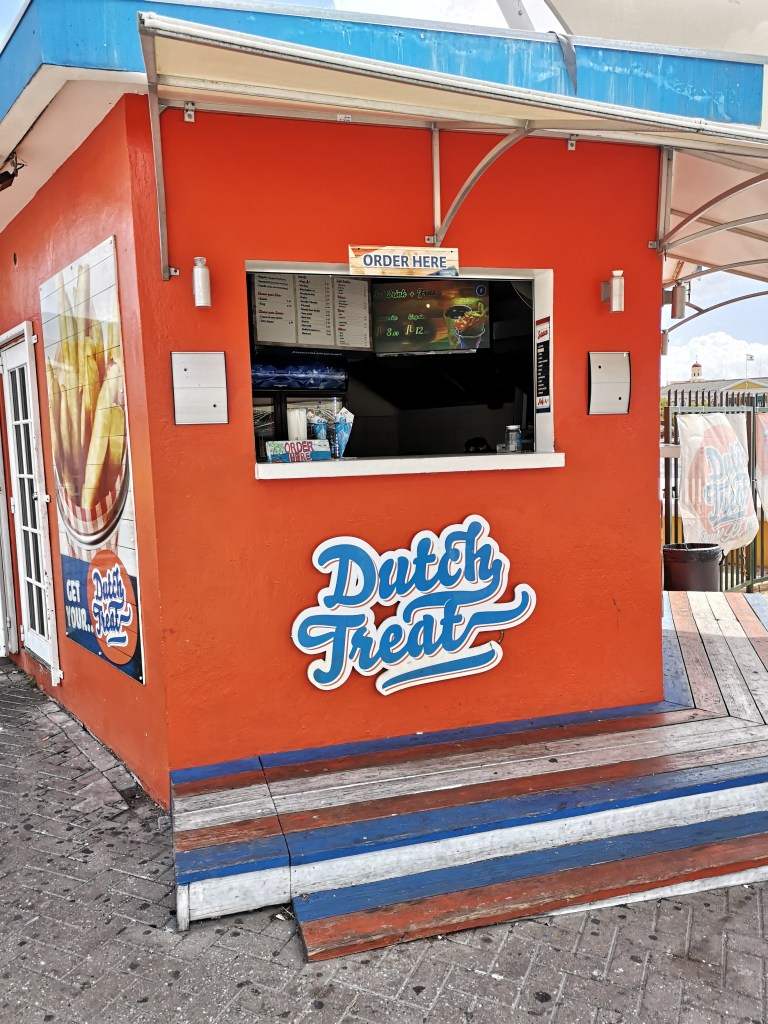
However, in comparison with Aruba, in Curaçao you get the feeling to be more part of the Dutch Kingdom… Dutch appears to be spoken more widely than in Aruba (which has a strong Spanish-speaking community), the radio features advertisements in Dutch, there are many Dutch tourists on holiday and there are Dutch supermarkets (Albertheijn) with Dutch products (dropjes, stroopwafels, rookworst, hagelslag) as well as Dutch specialty stands!!! 🇳🇱
—
Prendi l’Olanda, ridistribuisci l’acqua e rendila un’isola, aggiungi il sole e alza la temperatura a 25-30 gradi, togli le biciclette e la maggior parte dei mulini a vento e ti troverai in … Curaçao! (ok, i due paesi non sono proprio gli stessi, dimentica questo esperimento)
Tuttavia, rispetto ad Aruba, a Curaçao hai la sensazione di essere più parte del Regno Olandese… L’olandese sembra essere parlato più ampiamente che ad Aruba (che ha una forte comunità di lingua spagnola), la radio trasmettere pubblicità in olandese, ci sono molti turisti olandesi in vacanza e ci sono supermercati olandesi (Albertheijn) con prodotti olandesi (dropjes, stroopwafels, rookworst, hagelslag) e stand gastronomici con specialità olandesi !!! 🇳🇱
Curaçao is a larger island than Aruba (444 kmsq vs 180) so we decide to rent a car to go around the island. Whilst there is public transport, it seems to be less frequent than in Aruba and we are keen to explore the island since we are spending here approximately 4 days. We had read blogs mentioning cars often get broken into and to make sure nothing at all is left inside the car when going to the beach; this most often happens in the more secluded areas where we could in fact see broken glass of car windows on the ground. Nothing happened to us but make sure your hotel has parking for your peace of mind.
Ok so what did we do in our 4 days on the island?!?
On the first day we decide to go to Tugboat, supposedly one of the best places to snorkel. When you get to the beach (which is on the south-western tip of the island) you are met by a big drilling ship which is confusing: is maybe that one the tugboat in question?!?
—
Curaçao è un’isola più grande di Aruba (444 kmq vs 180), quindi decidiamo di noleggiare un’auto per girare l’isola. I trasporti pubblici sembrano essere meno frequenti rispetto ad Aruba e l’auto sembra l’opzione migliore per esplorare l’isola nei 4 giorni che abbiamo a disposizione. Su internet si trovano blog che allertano sulla possibilità che le auto vengano aperte dai ladri e che raccomandano di non lasciare nulla dentro l’auto quando si va in spiaggia; questo spesso accade nelle aree più isolate dove si possono infatti vedere vetri rotti di finestrini di auto per terra. Non è successo niente a noi, ma assicuratevi che il vostro hotel abbia un parcheggio interno per stare più tranquilli.
Ok quindi cosa abbiamo fatto nei nostri 4 giorni sull’isola?!?
Il primo giorno decidiamo di andare a Tugboat (che significa “rimorchiatore”), presumibilmente uno dei posti migliori per fare snorkeling. Quando si arriva alla spiaggia (che si trova sulla punta sud-occidentale dell’isola) noti subito una grande nave che confonde: è forse quello il rimorchiatore in questione?!?
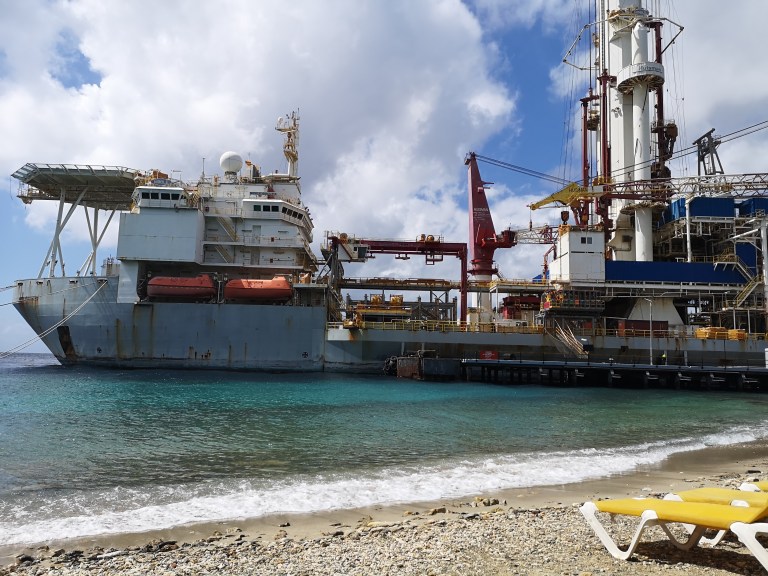
We remembered different pictures from our researches but we could be wrong. We anyway put our masks and snorkels on and set off to explore the underwater world when we come across the real tugboat- an underwater relict with loads of fishes swimming around! Really amazing! 🐠
—
Ricordavamo altre immagini delle nostre ricerche ma potremmo sbagliarci. In ogni caso, indossiamo le nostre maschere e boccagli e partiamo per esplorare il mondo sottomarino quando incontriamo il vero rimorchiatore: un relitto sott’acqua con un sacco di pesci che nuotano intorno! Davvero sorprendente! 🐠
Next to the tugboat you can visit a fort with great views on the bay
—
Accanto al rimorchiatore è possibile visitare una fortezza con una splendida vista sulla baia

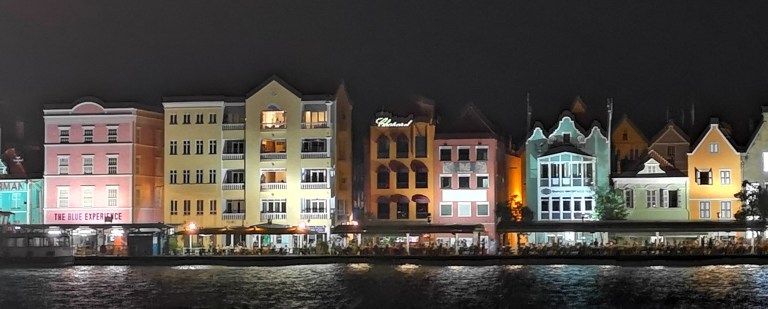
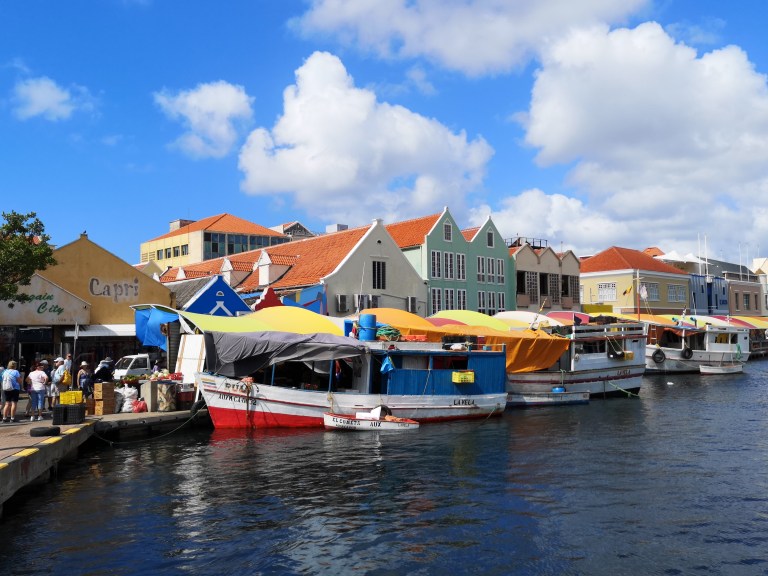
After a lovely sunset on the sea, enjoyed from a beach club, we head off to the capital city of Willemstad, eager to explore the capital’s nightlife scene. But while we wonder along the waterfront admiring the colourful houses and strolling over the Queen Emma pontoon bridge, we notice there is little activity and also little choice for casual dining…We therefore resort to a parrilla from a shack alongside locals and some tourists.
—
Dopo un incantevole tramonto sul mare goduto da un beach club, ci dirigiamo verso la capitale di Willemstad, desiderosi di esplorarne la vita notturna. Ma mentre ammiriamo le case colorate passeggiando per il ponte galleggiante Queen Emma, notiamo che c’è poca attività e anche poca scelta per un cena informale … Facciamo quindi ricorso a una parrilla ad uno stand insieme a gente del posto e alcuni turisti.

The day after, we are keen to get to know the famous floating market: merchants selling fresh fish and fruits & vegetables from Venezuela come here by boat and actually never leave their boats. Unfortunately, maybe because it was Saturday, there were only few merchants.
—
Il giorno dopo, ci rechiamo nuovamente in centro per esplorare il famoso mercato galleggiante: commercianti che vendono pesce fresco e frutta e verdura del Venezuela vengono qui in barca e in realtà non lasciano mai le loro barche. Sfortunatamente, forse perché era sabato, c’erano pochi venditori.
After a delicious meal at the circular Market building (right next to the floating market), we go to the Hato Caves, which are located opposite to the airport. These caves are mostly made of coral limestone and were once underwater; because of the porosity of the limestone, water slowly filters inside the caves forming stalactites and stalagmites of all shapes and forms. Some shapes resemble familiar figures, such as the Virgin Mary holding baby Jesus, a pirate, a sleeping giant etc. Apart from two rooms that are open to the outside through a hole in the ceiling, the rest of the cave is blind black – The guide that took us around in the cave switched off the light for a minute and we could not see anything at all. For this reason hundreds of bats reside in the caves.
—
Dopo un delizioso pranzo al mercato circolare (proprio accanto al mercato galleggiante), andiamo alle Grotte di Hato, che si trovano di fronte all’aeroporto. Queste caverne sono per lo più fatte di calcare e una volta erano sott’acqua; a causa della porosità del calcare, l’acqua filtra lentamente all’interno delle caverne formando stalattiti e stalagmiti di varie forme. Alcune forme ricordano figure familiari, come la Vergine Maria che tiene in braccio il piccolo Gesù, un pirata, un gigante addormentato ecc. A parte due stanze aperte verso l’esterno attraverso un foro nel soffitto, il resto della grotta è completamente buio- la guida che ci ha portato in giro nella grotta ha spento la luce per un minuto e non si vedeva nulla. Per questo motivo nella caverne vivono centinaia di pipistrelli.

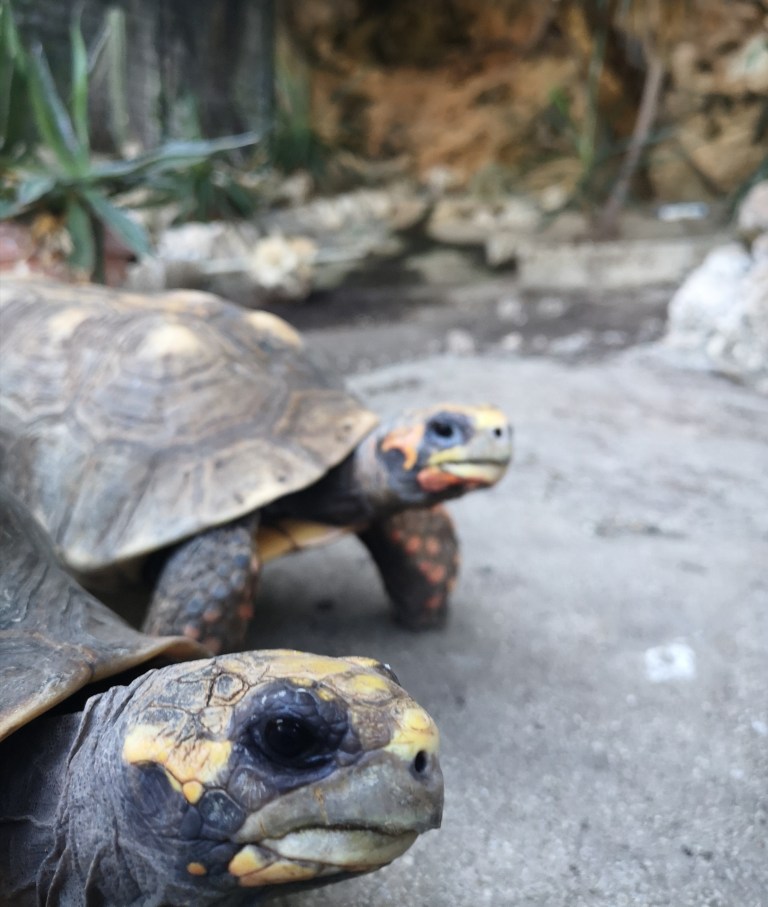
Outside the caves you can find petroglyphs and cave drawings, which are attributed to the Amerindian Arawaks and Caiquetio Indians as well as… sweet little tortoises!
—
Fuori dalle caverne si possono trovare petroglifi e disegni rupestri, che sono attribuiti agli indiani Arawaks e Caiquetio ma anche… simpatiche tartarughine!
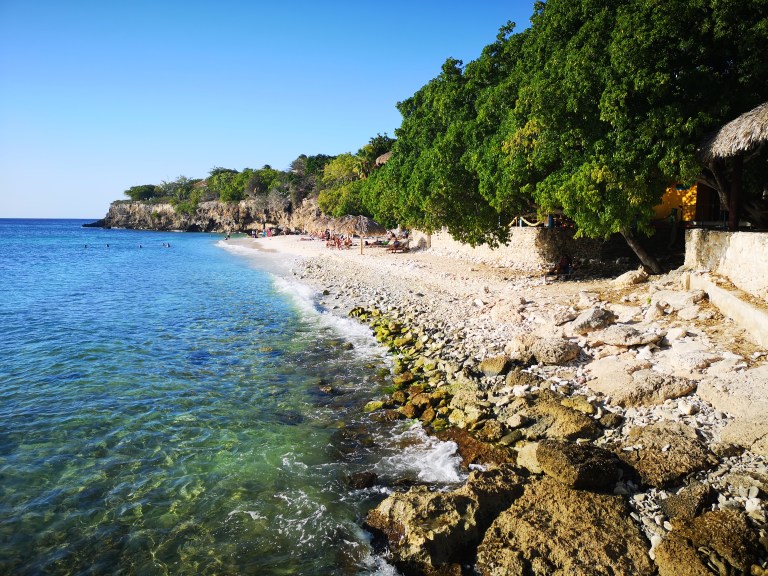
The day after, we start exploring the North-Western side of the island (Westpunt); we read about many beaches to snorkel in and decide to start with playa Kalki, which is home to the reef also known as Alice in Wonderland – as the name suggests, the reef should be magical!
So we jump in! The water is amazingly clear but sadly there are not so many fishes nor alive corals to enjoy. We are therefore convinced to take oxygen tanks and dive properly to explore the deeper waters… which are amazing, full of life and definitely worth a dive! On the sad side, no underwater pictures due to the higher pressure…
—
Il giorno dopo, iniziamo ad esplorare il lato nord-occidentale dell’isola (Westpunt); leggiamo che ci sono molte spiagge dove fare snorkeling e decidiamo di iniziare con la playa Kalki, che ospita il reef conosciuto anche come Alice nel Paese delle Meraviglie – come suggerisce il nome, il reef dovrebbe essere magico!
Quindi saltiamo in acqua! L’acqua è incredibilmente limpida ma non ci sono tanti pesci, né coralli vivi. Veniamo quindi convinti di prendere le bombole di ossigeno e fare un immersione per esplorare le acque più profonde … che sono incredibili, piene di vita e meritano sicuramente un’immersione! Ahimè, nessuna immagine subacquea a causa della pressione a cui la go-pro potrebbe non resistere …
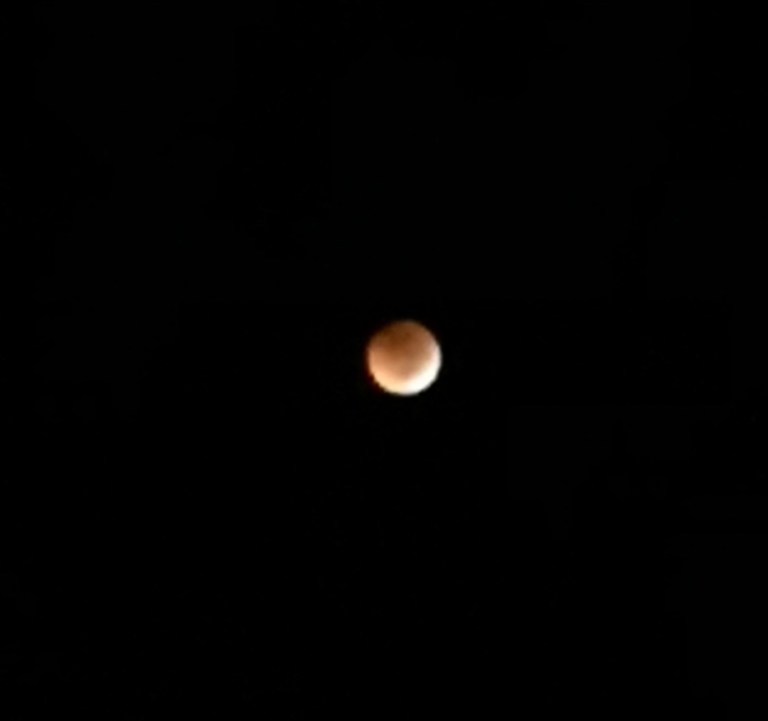
Today is also the day of the Lunar eclipse! In Curaçao, the total eclipse is reached at about 1 am, when the moon turns red (the red light is due to the refraction of light by the atmosphere surrounding the Earth). This is a shot taken before the total eclipse due to the limitations of our phone camera, which cannot really capture the red light.
—
Oggi è anche il giorno dell’eclissi lunare! A Curaçao, l’eclissi totale viene raggiunta intorno all’una del mattino, quando la luna diventa rossa (la luce rossa è dovuta alla rifrazione della luce dall’atmosfera che circonda la Terra). Questo è uno scatto fatti prima dell’eclissi totale a causa dei limiti della fotocamera del telefono che non riesce a fotografare la luna rossa.
After a good night sleep, we go visit the Curaçao aloe Vera plantation. (CurAloe) The cultivation of Aloe goes back to 4000 years. It is mentioned that Alexander The Great used it as a medicine for many illnesses, immune booster, burns and battle wounds. Also Cleopatra was an avid user of aloe Vera, which justifies her famous beauty!
—
Dopo una buona notte di sonno, visitiamo la piantagione di aloe Vera di Curaçao. (CurAloe) La coltivazione di Aloe risale a 4000 anni fa. Si dice che Alessandro Magno la usò come medicina per molte malattie, come integratore, e per curare ustioni e ferite da battaglia. Anche Cleopatra usava avidamente l’aloe Vera, il che giustifica la sua famosa bellezza!
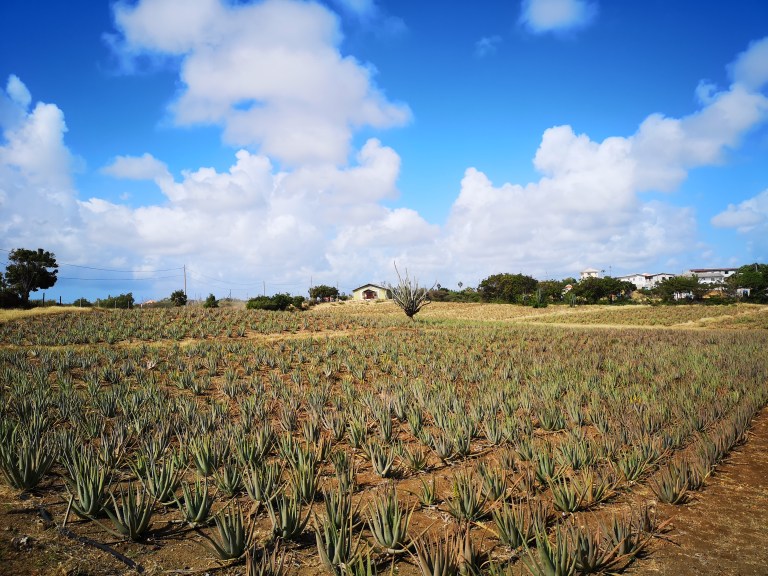
After a shot of pure aloe Vera drink (not great) and a bite of the meaty leaf (interesting consistency), we head off to some more beaches to the west side of the island which we did not have the time to explore yesterday. The first beach is playa Grandi, which is famous for being filled with sea turtles. Due to fishermen cleaning the catch of the day next to the shore…
—
Dopo un bicchierino di aloe vera al 100%(non eccezionale) e un morso alla foglia carnosa (consistenza interessante), ci dirigiamo verso altre spiagge sul lato ovest dell’isola che non abbiamo avuto il tempo di esplorare ieri. La prima spiaggia è la playa Grandi, famosa per essere piena di tartarughe marine. A causa dei pescatori che puliscono il pesce del giorno vicino alla riva …
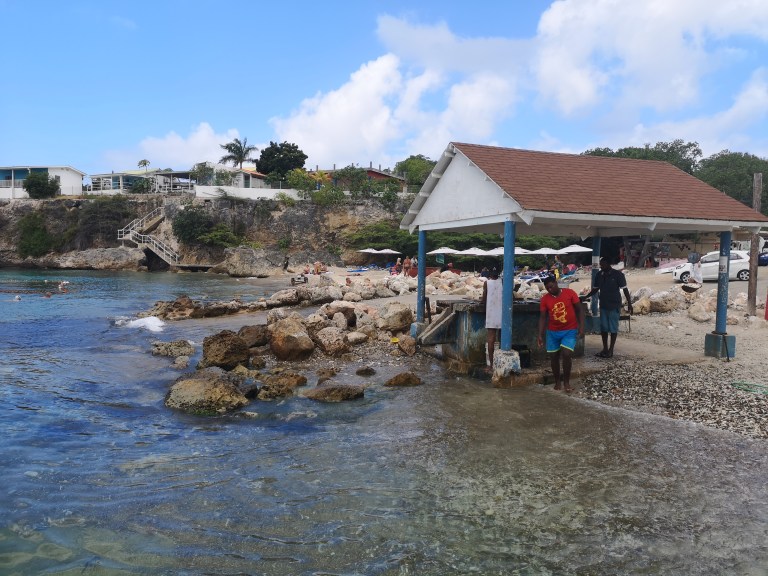
…we are able to see many turtles competing for food, thus not really caring about the presence of humans (priorities!)
—
… siamo in grado di vedere molte tartarughe in competizione per il cibo, che non si curano della presenza di umani (priorità della vita!)
The second beach is playa Klein Knip. Again, amazingly clear water and some fish swimming around, particularly next to the rocks. Brave individuals also attempt jumping from up high, but we are probably already too old for this…
—
La seconda spiaggia è playa Klein Knip. Ancora una volta, acqua incredibilmente limpida e alcuni pesci che nuotano, in particolare vicino alle rocce. Individui coraggiosi si tuffano dall’alto, ma probabilmente siamo già troppo vecchi per questo …

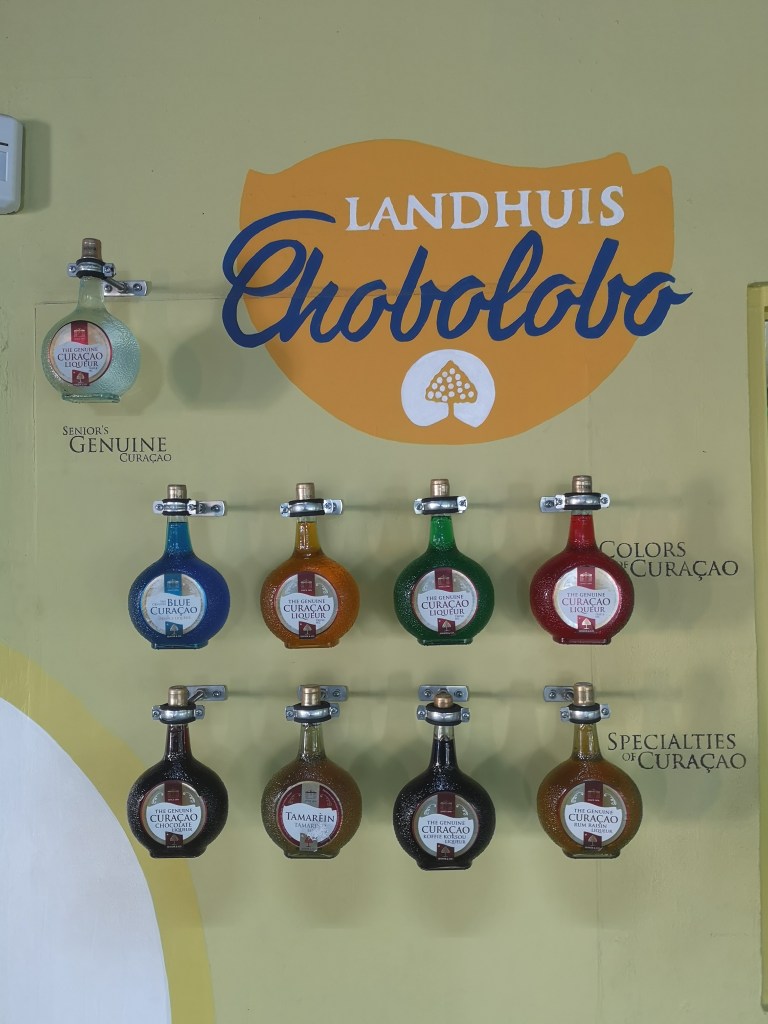
…which makes us want to forget it all… luckily the Blue Curaçao was invented to alleviate our despair and therefore we head off to where it has been historically produced, the Landhuis Chobolobo. When we arrive, no guided tours are given, but you can go around the site by yourself to learn how the worldwide famous liquor is made. The fruit used to give its characteristic flavour to the liquor is called laranha, and it is an evolution of the oranges brought from Spain to the island that could not endure the arid climate and became more bitter.
Anyway, Serge was driving, so I got to try all varieties myself!!!
—
… che ci fa desiderare di bere per dimenticare … per fortuna il Blue Curaçao è stato inventato per alleviare la nostra disperazione e quindi ci dirigiamo verso il luogo in cui è stato storicamente prodotto, il Landhuis Chobolobo. Quando arriviamo, non ci sono visite guidate, ma puoi visitare il sito da solo per scoprire come viene prodotto il famoso liquore di fama mondiale. Il frutto usato per dare il suo sapore caratteristico al liquore si chiama laranha, ed è un’evoluzione delle piante di arance portate dalla Spagna che non potevano sopportare il clima arido e si sono evolute in piante dai frutti più amari.
In ogni caso, Serge guidava, quindi ho provato io tutte le varietà !!!
Last but not least – we found Eindhovenstraat!!! As Eindhoven is the place where Serge and I first met, we of course needed a picture 😎
Next and last stop of our trip is Suriname! 😢 Many of you probably never heard much of this country, so you need to stay tuned!!!
—
Ultimo cosa, ma non meno importante – abbiamo trovato Eindhovenstraat !!! Dato che Eindhoven è il luogo in cui Serge e io ci siamo incontrati per la prima volta, abbiamo ovviamente dovuto fare una foto 😎
La prossima sarà l’ultima tappa del nostro viaggio, il Suriname! 😢 Molti di voi probabilmente non hanno mai sentito parlare di questo paese, quindi è necessario rimanere sintonizzati !!!

 Maria & Serge