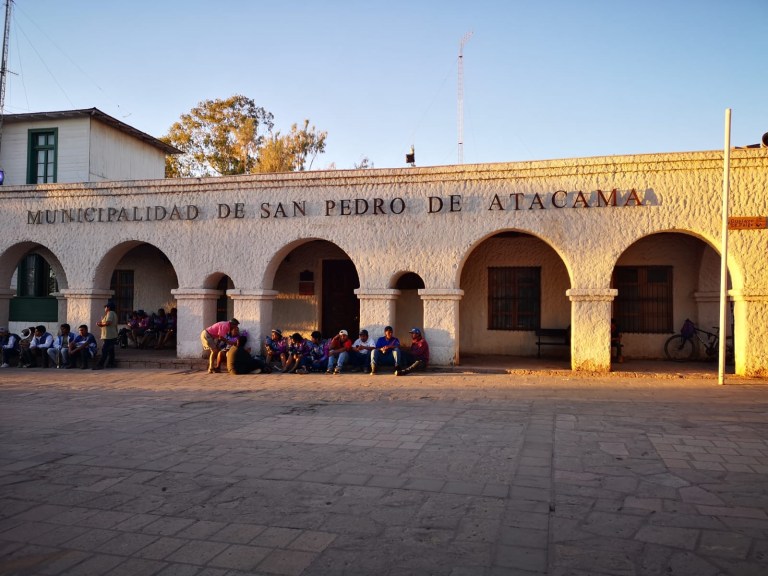
After the hills of Valparaiso, we moved to San Pedro de Atacama, which (surprise surprise) is located in the Atacama basin, very close to the border with Bolivia, on an altiplane at c. 2,400 m altitude.
This will be our starting point for the Salar de Uyuni trip, and since we haven’t booked the trip yet before our arrival, during our 2.5-day stay in San Pedro we also need to figure out with what tour operator we are going to book it.
San Pedro is however conveniently located to a large number of interesting sites so in case you are also planning to start your Salar de Uyuni trip from San Pedro, make sure you allow enough time to enjoy it.
There are multiple ways to explore the surroundings of San Pedro: 1) rent a bike which can give you access to a couple of nearby sites 2) rent a 4×4 (normal cars will take you nowhere) which will allow you to see more sites and build your own itinerary 3) take guided tours with one of the dozen agencies of San Pedro.
We opted for option n.3. and we packed our 2.5 days stay with 6(!) excursions – who is the fool who relaxes on holiday?! –
—
Dopo le colline di Valparaiso, ci siamo trasferiti a San Pedro de Atacama, che (sorpresa sorpresa) si trova nel bacino di Atacama, molto vicino al confine con la Bolivia, su un altipiano a c. 2.400 m di altitudine.
Questo sarà il nostro punto di partenza per il viaggio al Salar de Uyuni, e poiché non abbiamo ancora prenotato il viaggio prima del nostro arrivo, durante il nostro soggiorno di 2.5 giorni a San Pedro dovremo anche capire con quale tour operator prenotarlo.
San Pedro si trova comunque in una posizione comoda per visitare un gran numero di siti interessanti, quindi se state pensando anche voi di partire da San Pedro per il viaggio al Salar de Uyuni, assicuratevi di concedervi abbastanza tempo per visitare la zona.
Ci sono diversi modi per esplorare i dintorni di San Pedro: 1) noleggiare una bicicletta che può dare accesso a qualche sito vicino 2) noleggiare un 4×4 (un’auto normale serve a poco) che ti permetterà di vedere più siti e costruire il tuo itinerario 3) fare visite guidate con una delle decine di agenzie di San Pedro.
Noi abbiamo optato per l’opzione n.3 ed abbiamo riempito i nostri 2,5 giorni di soggiorno con 6 (!) escursioni – chi è il pazzo che si rilassa in vacanza?! –
These are:
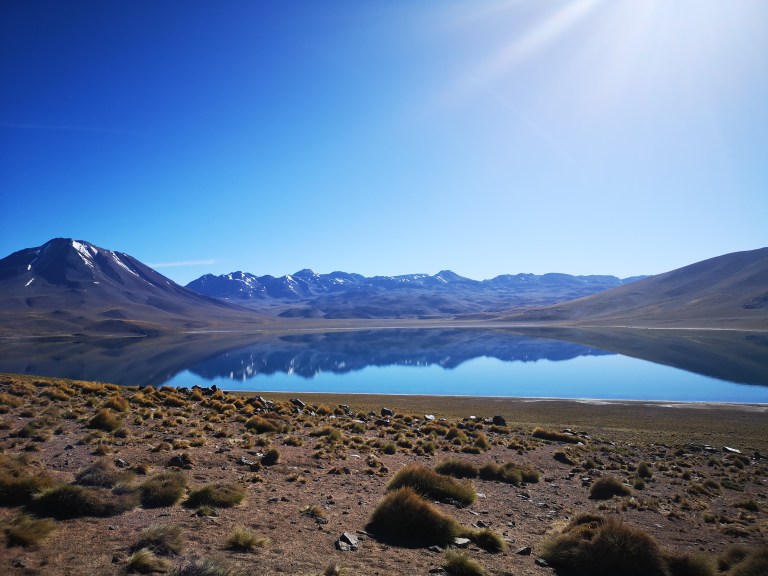
1. Altiplanic lagunas: this trip typically starts in the early morning and brings you up to 4,200 m to the beautiful Miskanti and Miniques lagunas (pictures below), which are only filled by rainwater and thermal groundwater.
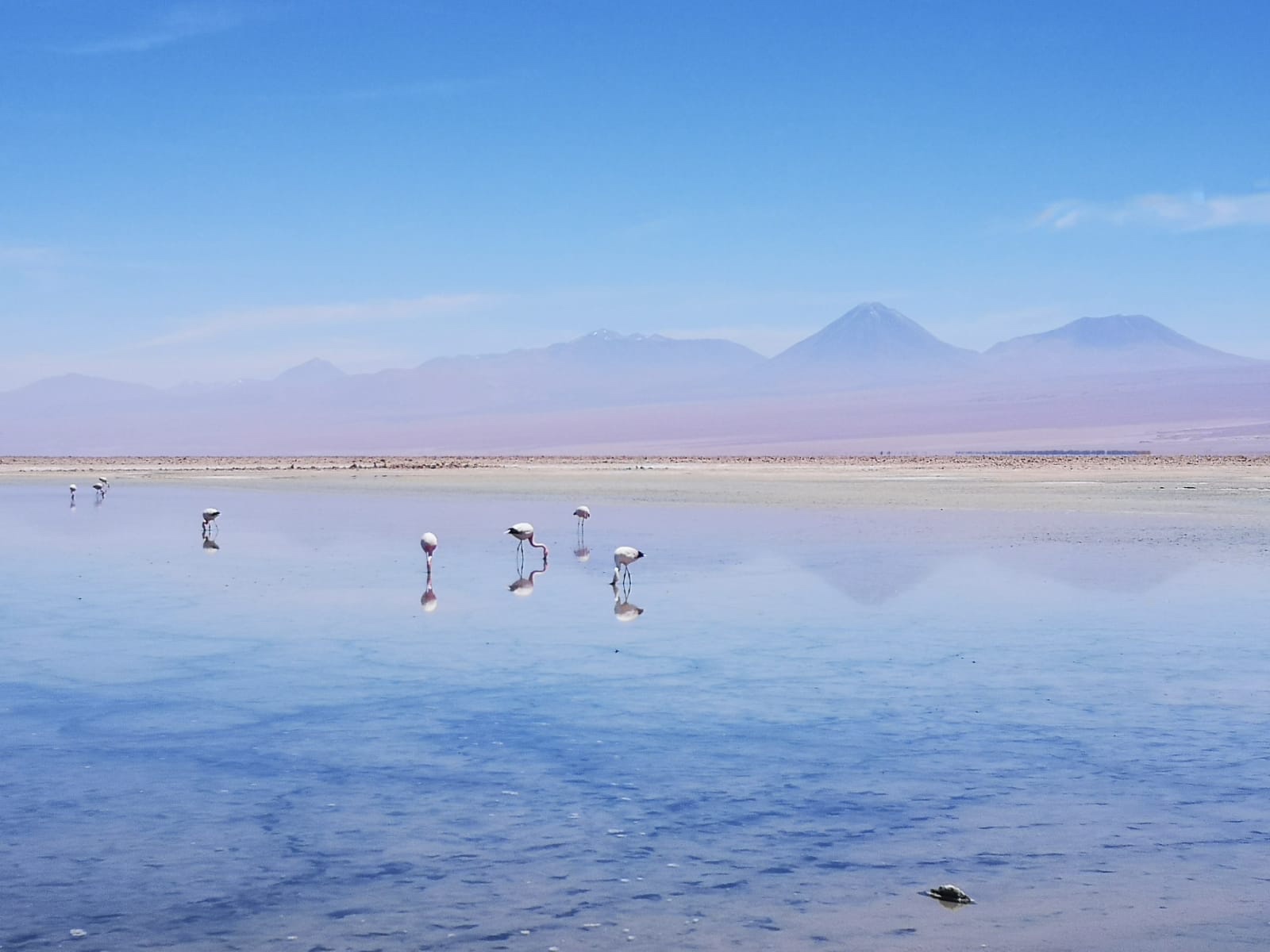
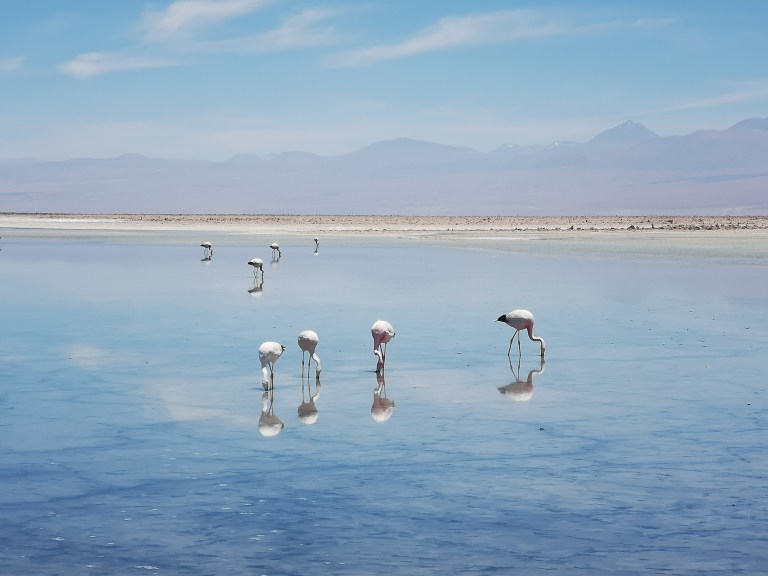
After a small hike in the area, the tour continues to the Chaxa lagoon, where you are greeted by a large number of flamingos; differently from others, these flamingos are used to humans and don’t fly away. Interesting fact about flamingos is that they mostly eat microorganisms which are barely visible with the naked eye. This means that they need to eat lots of these to fill up their bellies… The result?! They eat on average 9 hours a day!!!!
The tour ends with a visit to the small town of Toconao
—
Le nostre escursioni sono state le seguenti:
1. Lagune altiplaniche: questa escursione inizia tipicamente al mattino presto e ti porta fino a 4.200 m verso le belle lagune Miskanti e Miniques (foto sotto), che sono riempite solo da acqua piovana e acque termali sotterranee.
Dopo una piccola camminata nella zona, il tour continua verso la laguna di Chaxa, dove si è accolti da un gran numero di fenicotteri; diversamente dagli altri, questi fenicotteri sono abituati agli uomini e non volano via. Un fatto interessante sui fenicotteri è che mangiano principalmente microrganismi appena visibili ad occhio nudo. Ciò significa che hanno bisogno di mangiare molti di questi microrganismi per riempirsi lo stomaco… Il risultato ?! Mangiano in media 9 ore al giorno !!!!
Il tour termina con una visita alla piccola città di Toconao

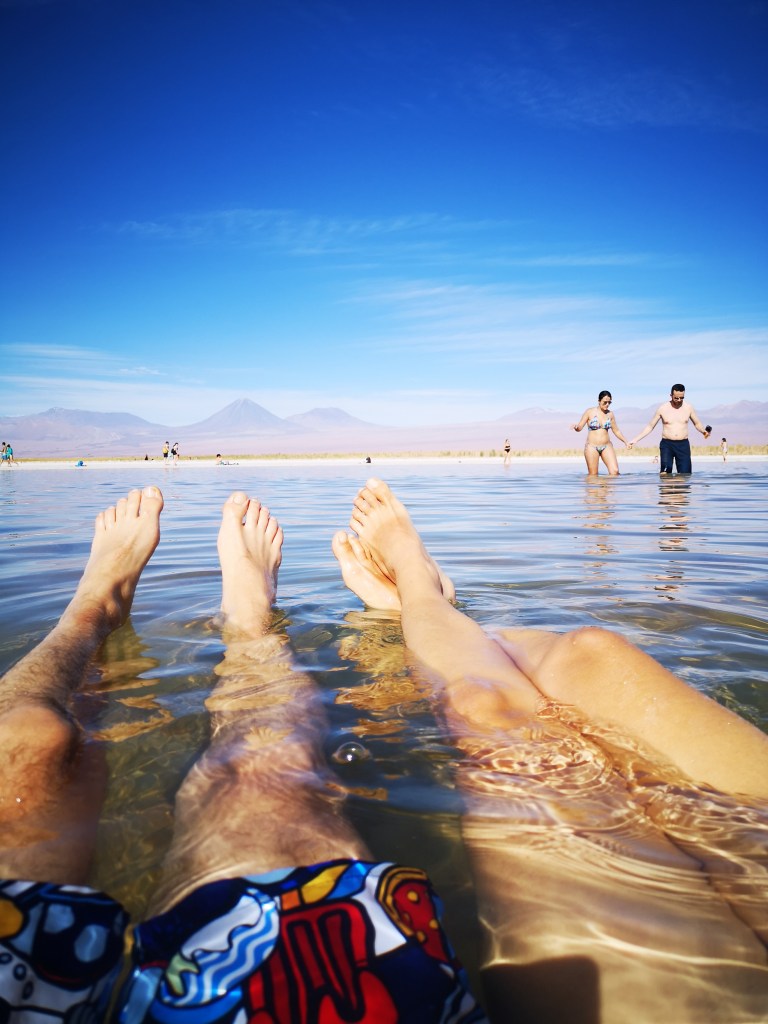
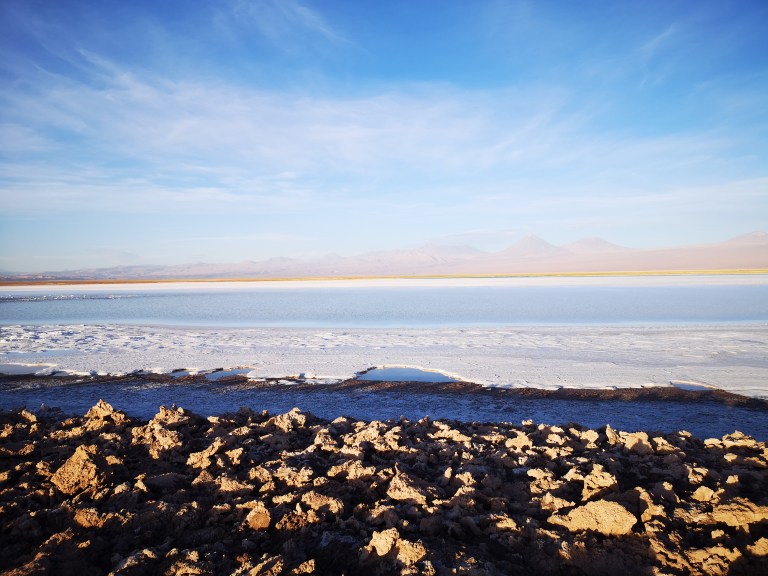
2. Laguna Cejar: in the afternoon we go to Laguna Cejar, which is located in the middle of the Atacama salt flat. Its water is really really really salty but the cool thing is that you can float with zero effort and you can take selfies in the water 🤦🏼♀️
So now you will ask: where does all this salt come from? The most accepted theory is that the salt flat comes from the minerals of the Andes which were washed away by precipitations.
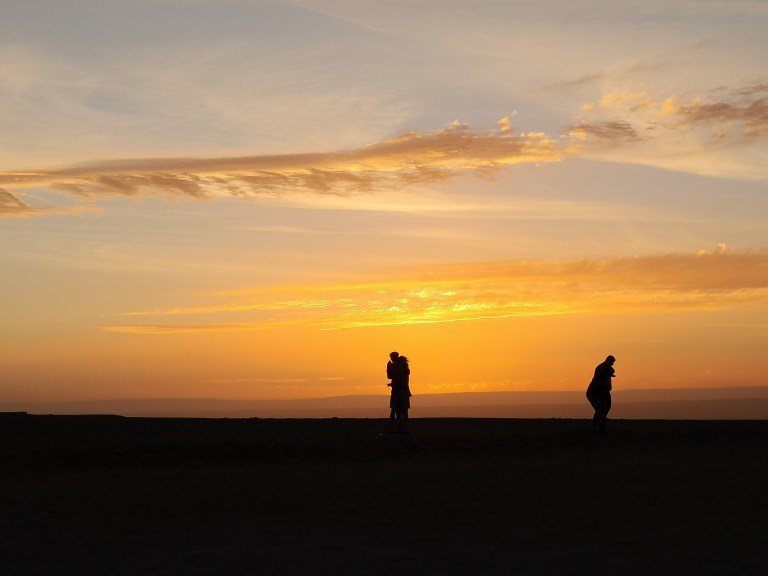
We then proceed to the Ojos del Salar, two freshwater pools in the middle of the desert and we finish our trip with a fantastic sunset over the Tebinquinche lagoon.
—
2. Laguna Cejar: nel pomeriggio andiamo a Laguna Cejar, che si trova nel mezzo del Salar di Atacama. La sua acqua è veramente veramente molto salata, ma la cosa bella è che puoi galleggiare senza sforzo e puoi farti selfie nell’acqua 🤦🏼♀️
Ora ti chiederai: da dove viene tutto questo sale? La teoria più accreditata è che il sale provenga dai minerali delle Ande che sono stati portati via dalle precipitazioni.
Quindi procediamo verso los Ojos del Salar, due piscine d’acqua dolce nel mezzo del deserto e finiamo il nostro viaggio con un fantastico tramonto sulla la laguna di Tebinquinche.

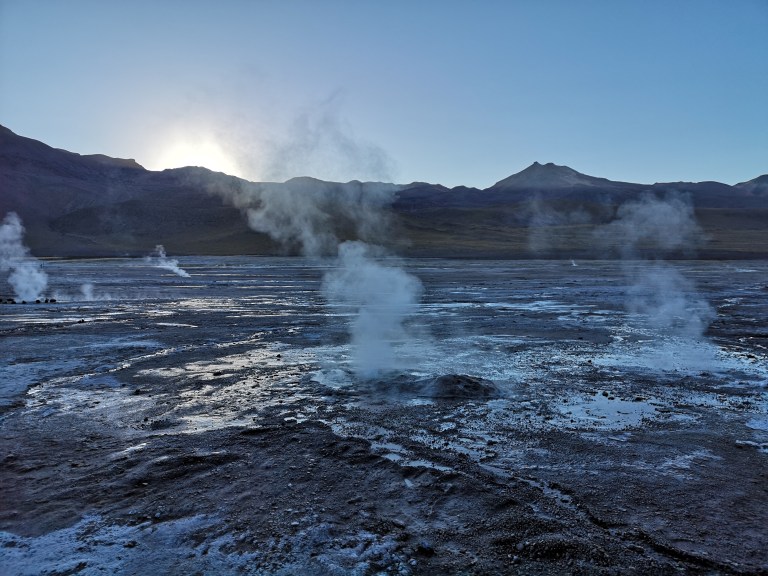
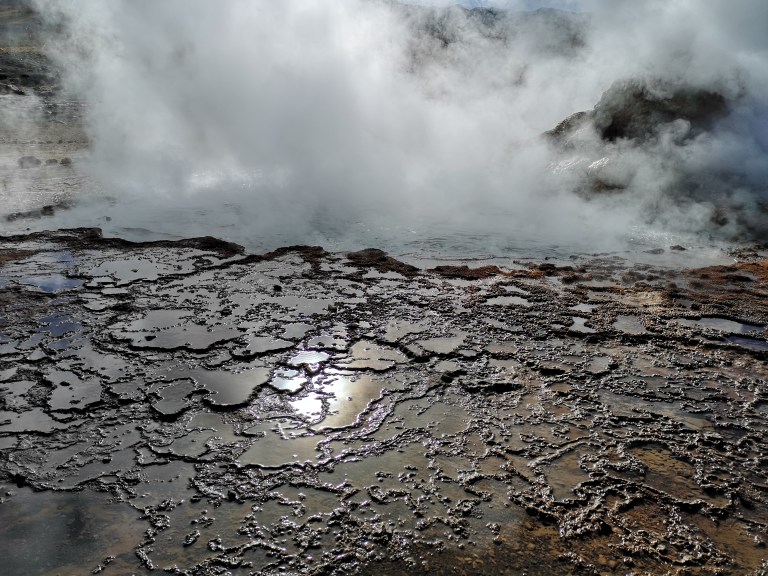
3. El Tatio geysers: today the alarm is at 4.00am as we are going to the geysers!!! El Tatio is the highest (4,000+ m) geothermal field in the world and is said to be looking its best at sunrise… We agree! The scenery is amazing!!!
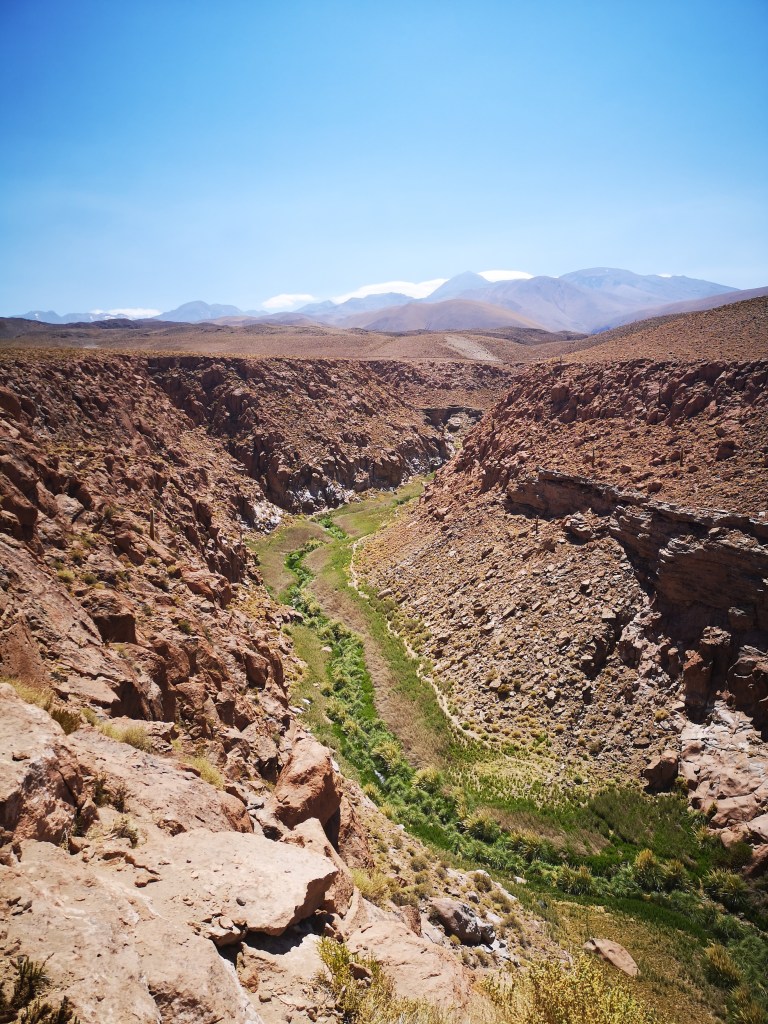
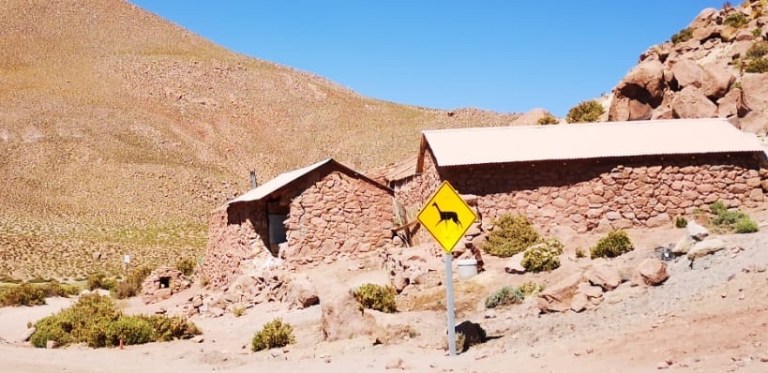
After the geysers (some people dare to take a bath in the thermal pool but we don’t as the air temperature is around 0 degrees), we take a stroll in the valley of the Putana river. We also stop in the Machuca village, where Serge tries a llama skewer and where in fact there are lots of llamas!
—
3. Geyser El Tatio: oggi la sveglia è alle 4.00 perché si va ai geyser !!! El Tatio è il campo geotermico più alto (oltre 4.000 metri) del mondo e si dice che sia più impressionante all’alba … Siamo d’accordo! Il panorama è incredibile!!!
Dopo i geyser (alcuni osano fare un bagno nella piscina termale ma noi no poiché la temperatura dell’aria è di circa 0 gradi), facciamo una passeggiata nella valle del fiume Putana. Ci fermiamo anche nel villaggio di Machuca, dove Serge prova uno spiedino di lama e dove in effetti ci sono molti lama!
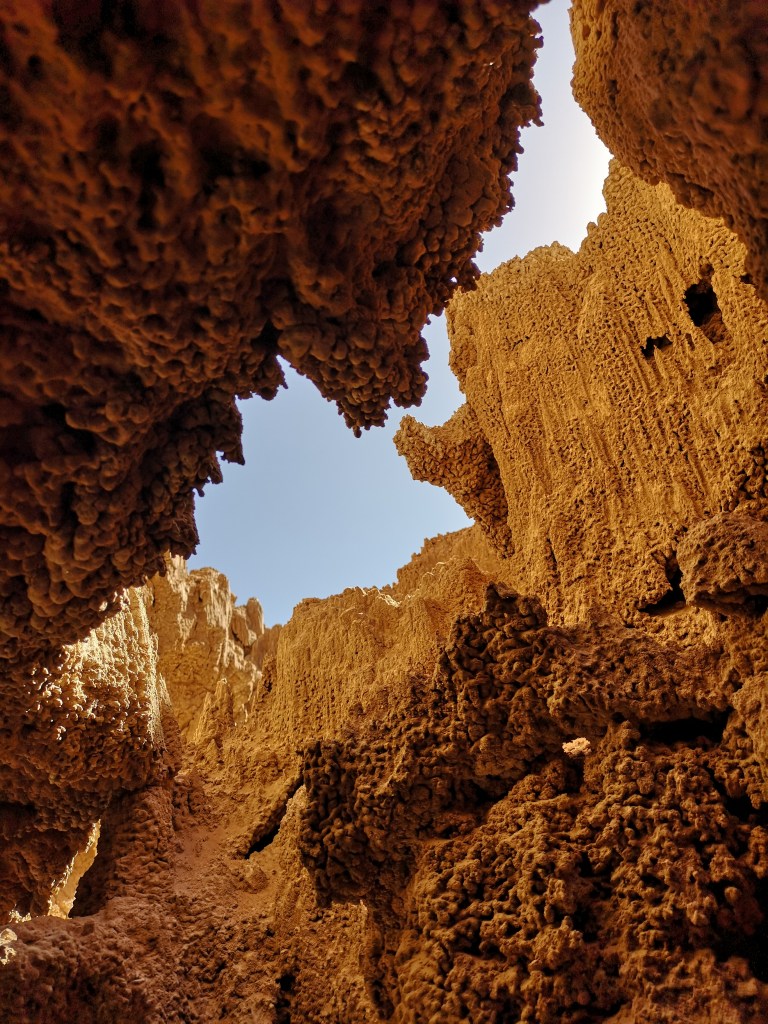
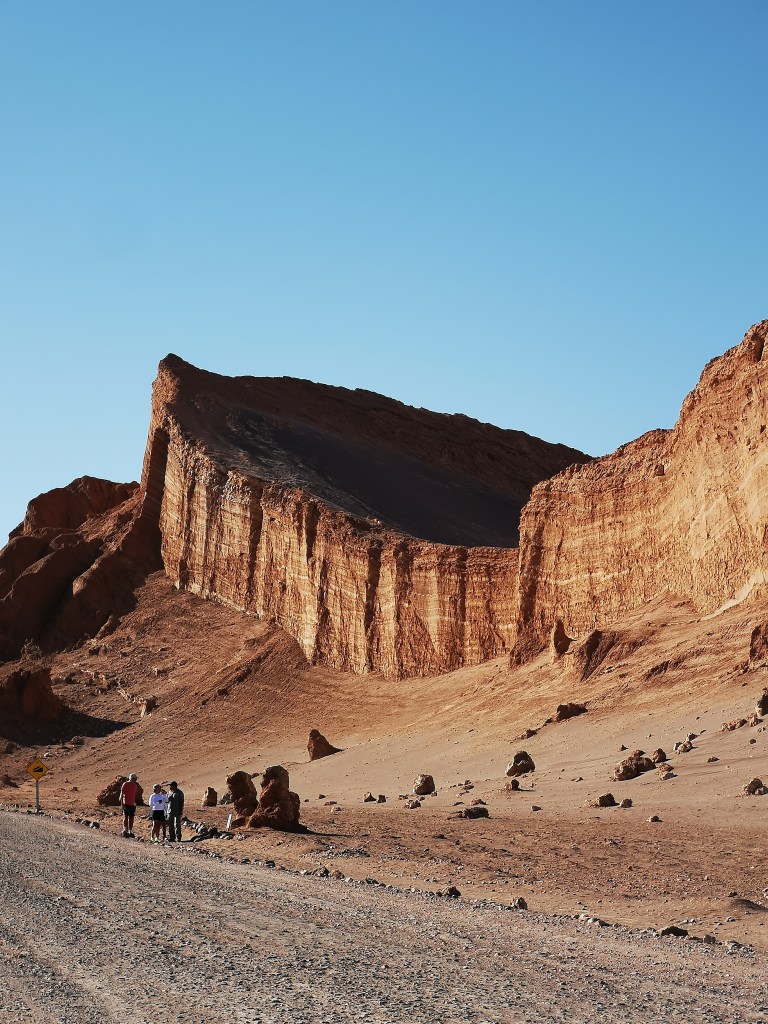
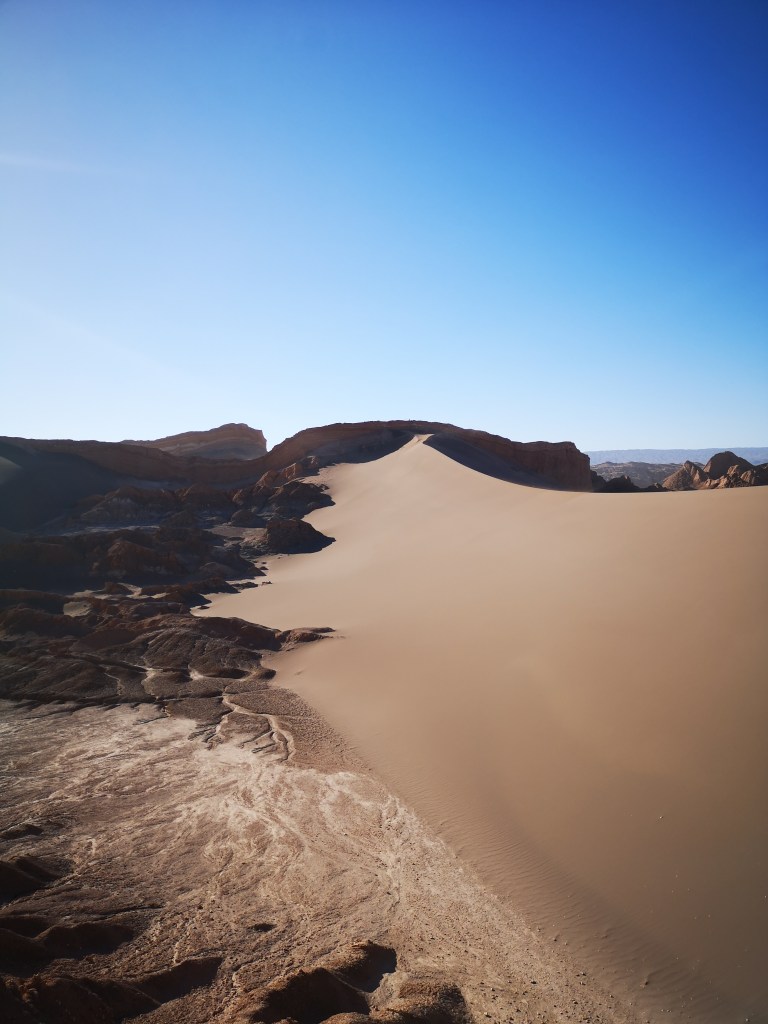
4. Valle della luna: la valle della luna is so called as the surface of its rock reminds of the moon surface.
We start our tour by visiting the caverns of salt… These caverns are part of the Cordillera de la Sal, which is full of minerals but particularly salt! You can see large crystals that become quite shiny if you pour a little water on them. On those few occasions when it rains (2 days a year) the salt caverns are too dangerous to visit.
We then observe rocks formations of all shapes and forms (look at the amazing amphitheatre below) and take a small hike to overlook the vastity and the silence of the desert
—
4. Valle della luna: la valle della luna è chiamata così perché la superficie della sua roccia ricorda la superficie lunare.
Iniziamo il nostro tour visitando le caverne di sale … Queste caverne fanno parte della Cordillera de la Sal, che è piena di minerali ma in particolare di sale! Ci sono cristalli grandi che diventano molto lucenti se ci si versa un po’ d’acqua sopra. In quelle poche occasioni in cui piove (2 giorni l’anno) le caverne di sale sono troppo pericolose per essere visitate.
Osserviamo quindi formazioni rocciose di tutte le forme (guarda l’incredibile anfiteatro) e facciamo una piccola camminata per ammirare la vastità e il silenzio del deserto.
5-6. Astronomical tours: we also took two excursions to observatories to look at the superlative sky of San Pedro de Atacama at night. San Pedro is considered to have one of the best skies in the world due to the fact that it has: 1.Little light pollution 2.Very dry weather 3.Relatively high altitude
We took the tour twice, with two different companies as the company we wanted to book with (Space – http://www.spaceobs.com) only had availability on the last night we were in San Pedro and we did not want to risk not having this experience due to some clouds spoiling the night. Rather than focusing on the low price, what you are looking for in these astronomical tour is having good telescopes and a good ratio visitors/telescopes. The telescopes of Space were very powerful and you could even see nebulae from other galaxies, blinking stars changing their colours and so on…
This is something absolutely not to miss when you go to San Pedro – we were lucky as the skies were very clear and it was around new moon (so no light pollution from the moon either) but unfortunately in the summer you can’t see the Milky Way as much as you can in the winter – I guess we will have to go back!
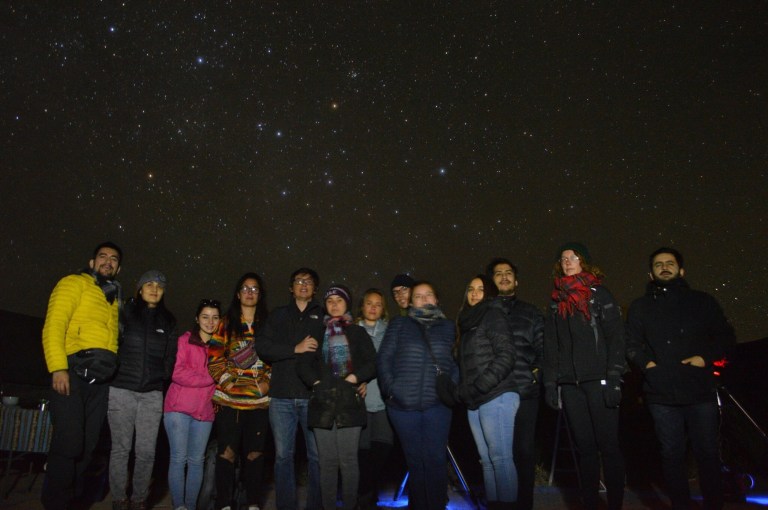
Almost forgot, with Stargazing San Pedro de Atacama (the other company we used) you also get a group picture!
—
5-6. Tour astronomici: abbiamo anche fatto due escursioni agli osservatori per guardare il cielo superlativo di San Pedro de Atacama di notte. San Pedro è considerato uno dei migliori cieli del mondo poiché ha: 1.Poco inquinamento luminoso 2.Clima molto secco 3.Altitudine relativamente elevata.
Abbiamo fatto il tour due volte, con due società diverse poiché l’azienda con cui volevamo prenotare (Space – http://www.spaceobs.com) aveva solo disponibilità l’ultima sera eravamo a San Pedro e non volevamo rischiare di non fare questa esperienza a causa di alcune nuvole che rovinano la notte. Piuttosto che concentrarsi sul prezzo basso, quello che devi cercare in in questi tour astronomici è la qualità dei telescopi e un buon rapporto visitatori / telescopi. I telescopi di Space erano molto potenti e si vedevano persino le nebulose di altre galassie, stelle che cambiano colore e così via …
Questo è assolutamente da non perdere quando si va a San Pedro – siamo stati fortunati perché i cielo era molto sereno entrambe le notti ed era periodo di luna nuova (quindi mancava anche la luce riflessa dalla luna), ma sfortunatamente in estate non puoi vedere la Via Lattea così chiaramente come in inverno – mi sa che dovremo ritornare a San Pedro!
Quasi dimenticavo, con Stargazing San Pedro de Atacama (l’altra azienda con cui abbiamo fatto il tour) ricevi anche una foto di gruppo!
 Maria & Serge