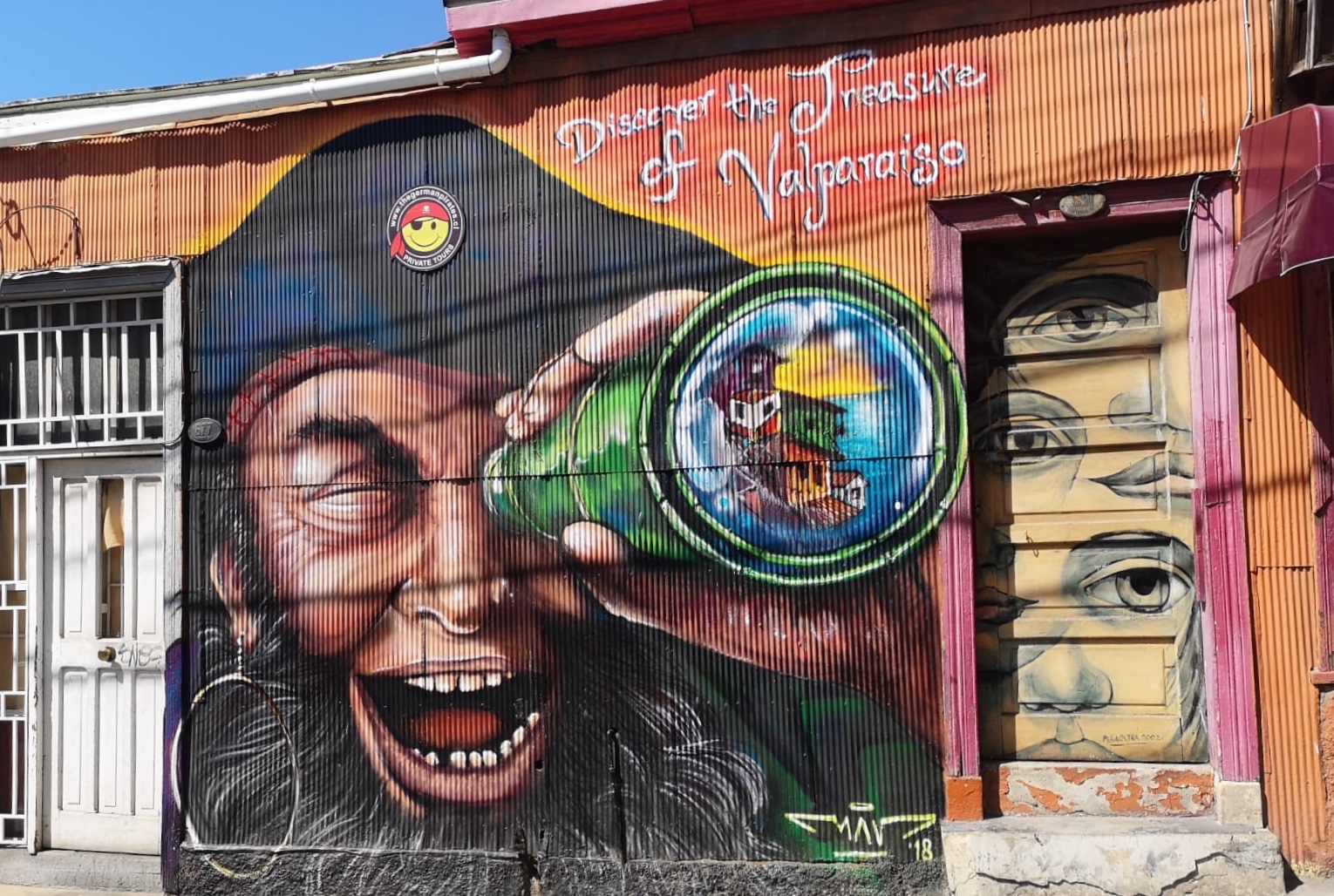
Very different from Santiago, yet only 1.5h by bus is the city of Valparaiso. Valparaiso, with its 300k+ inhabitants and its port, is still one of the main Chilean cities, but its role is very different from what it used to be in the nineteenth century.
The city in fact gained prosperity during the 1848-1858 gold rush, as people from Europe (German, British, Spanish, Jugoslavians etc.) were stopping in Valparaiso on their way to the US West Coast, after crossing the strait of Magallanes. Some liked the city so much, with its hills descending into the sea, that they decided to settle there and make Valparaiso their home. This made Valparaiso a very international city, with access to the latest technologies. The building of the Intendencia in Plaza Sotomayor clearly represents the elegance the city had during its golden years.
—
Valparaiso è molto diversa da Santiago, sebbene sia a sole 1,5 ore di distanza. Con i suoi 300k + abitanti e il suo porto, Valaparaíso è ancora una delle principali città cilene, ma il suo ruolo è molto diverso da quello che aveva nel diciannovesimo secolo.
La città infatti crebbe significativamente durante il gold rush del 1848-1858, mentre emigranti provenienti dall’Europa (tedeschi, inglesi, spagnoli, jugoslavi ecc.) si fermavano a Valparaiso sulla strada per la costa occidentale degli Stati Uniti, dopo aver attraversato lo stretto di Magallanes. Alcuni si innamoravano talmente tanto della città, con le sue colline che scendono verso il mare, che decidevano di stabilirsi lì. Ciò rese Valparaiso una città molto internazionale, con accesso alle ultime tecnologie. L’edificio dell’Indendencia in Plaza Sotomayor rappresenta chiaramente l’eleganza che la città ha avuto durante i suoi anni d’oro.

In the 1906, however, a strong earthquake affected the city (and for Valparaiso, being on the sea, an earthquake always brings a tsunami with it), which was the start of the its decline. Buildings were eventually rebuilt, but it took time; in the mean time, many Europeans either went back home or moved to the nearby Viña del Mar (which has today surpassed Valparaiso in terms of inhabitants). In addition, the opening of the Panama Canal in 1914 meant Valparaiso had less of a role in international commerce and its importance continued to decline.
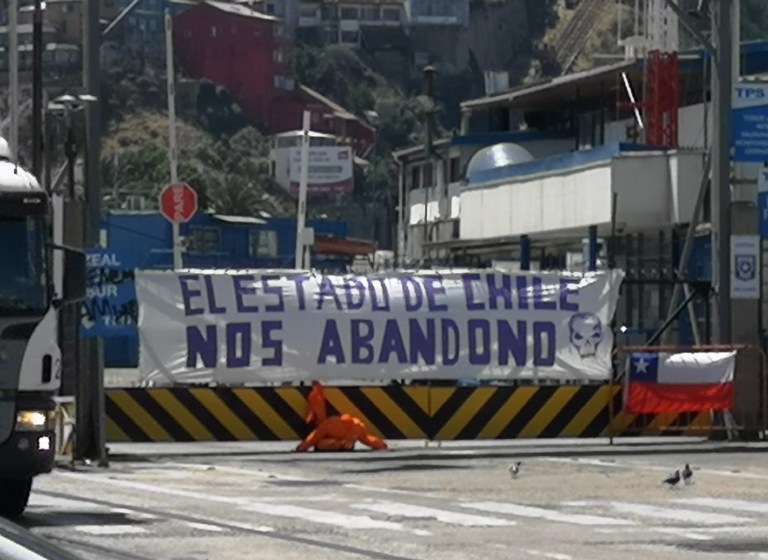
Today the city still has a port which is mainly used for export purposes, but San Antonio (c. 100 km south of Valparaiso) is a bigger port and the main reference for imports. There is currently some friction between the port workers and the government due to contracts of the “trabajadores eventuales”, i.e. those without a fixed contract – while we were in Valparaiso, protests were taking place and some of the street in the center were not accessible.
—
Nel 1906, tuttavia, un forte terremoto colpì la città (e per Valparaiso, essendo sul mare, un terremoto significa sempre anche uno tsunami), segnando l’inizio del suo declino. Gli edifici furono ricostruiti, ma ci volle del tempo; nel frattempo, molti europei tornarono a casa o si trasferirono nella vicina Viña del Mar (che oggi ha superato Valparaiso in termini di abitanti). Inoltre, l’apertura del Canale di Panama nel 1914 rese Valparaiso un porto molto meno centrale nel commercio internazionale e la sua importanza continuò a diminuire. Oggi la città ha ancora un porto che viene utilizzato principalmente per l’esportazione, ma San Antonio (circa 100 km a sud di Valparaiso) è un porto più grande e il principale riferimento per le importazioni.
C’è attualmente attrito tra i lavoratori portuali e il governo a causa dei contratti dei “trabajadores eventuales”, cioè quelli senza un contratto fisso – mentre eravamo a Valparaiso c’erano proteste e alcune strade del centro non erano accessibili .
But this does not mean that you shouldn’t visit Valparaiso!!! The city in fact has a unique setting: it is built on 42 (!) hills (or “cerros”) which dive into the sea… This very special setting (remember Valparaiso has only 300k inhabitants!!!) means that:
– No Porteño (so are the inhabitants of Valparaiso called), or very few at least, has ever visited all the cerros
– Each cerro has a strong sense of community, and older people in particular rarely leave their cerro; when they do, it is because they go downtown by the sea rather than to other cerros
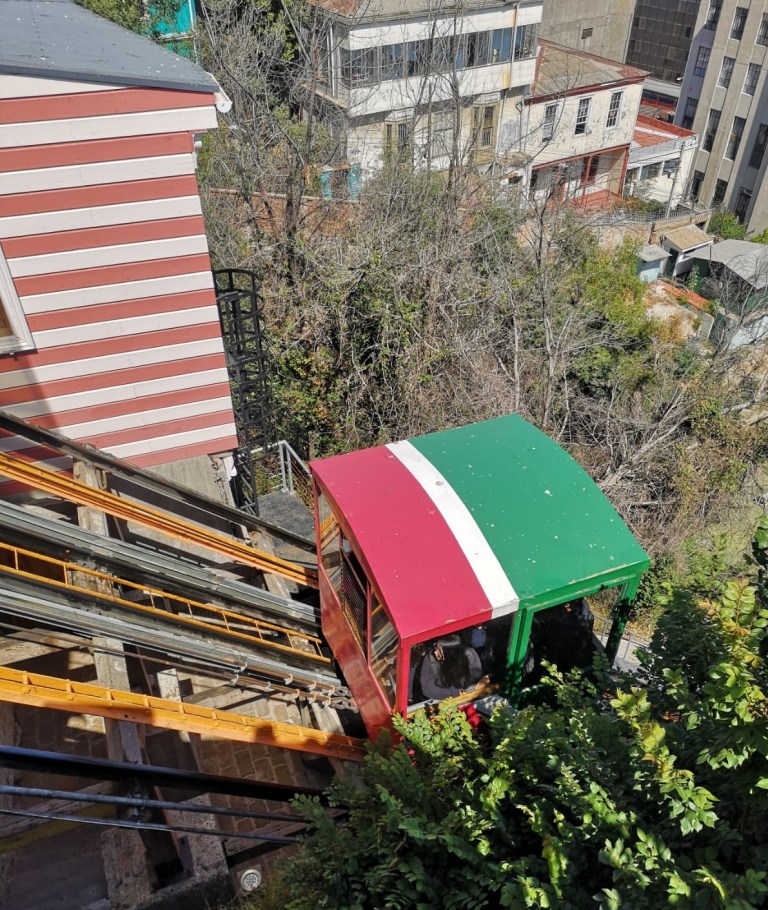
– Porteños who do leave their cerros must have amazing legs! Well, guess what, they do! But, they also have built funiculars to help them move up and down. There used to be about 30 funiculars in the past; today there are only 16, of which 7 are functioning and 9 under restoration. We took some of them to go around the city as they run continuously and save you some climbing. There is also one (Reina Victoria) which has a slide to bring you to street level!
—
Spero di non avervi spaventati! Valparaiso è da visitare!!! La città ha infatti un’ubicazione unica: è costruita su 42 (!) colline (o “cerros”) che si tuffano nel mare … Questa geografia molto speciale (ricorda Valparaiso ha solo 300k abitanti !!!) significa che:
– Nessun Porteño (così vengono chiamati gli abitanti di Valparaiso), o pochissimi, ha mai visitato tutti i cerros:
– ogni cerro ha un forte senso di comunità, e gli anziani in particolare raramente lasciano il loro cerro; quando lo fanno, è perché vanno in centro in riva al mare piuttosto che in altri cerros
– I Porteños che vanno in altri cerros devono avere muscoli incredibili nelle gambe! Ebbene sì! Ma hanno anche costruito funicolari per aiutarli a muoversi su e giù. In passato c’erano circa 30 funicolari; oggi ce ne sono solo 16, di cui 7 funzionanti e 9 in restauro. Ne abbiamo prese alcune per girare la città poiché ti risparmiano di scalare le colline. Ce n’è anche una (Reina Victoria) che ha uno scivolo per portarti al livello della strada!
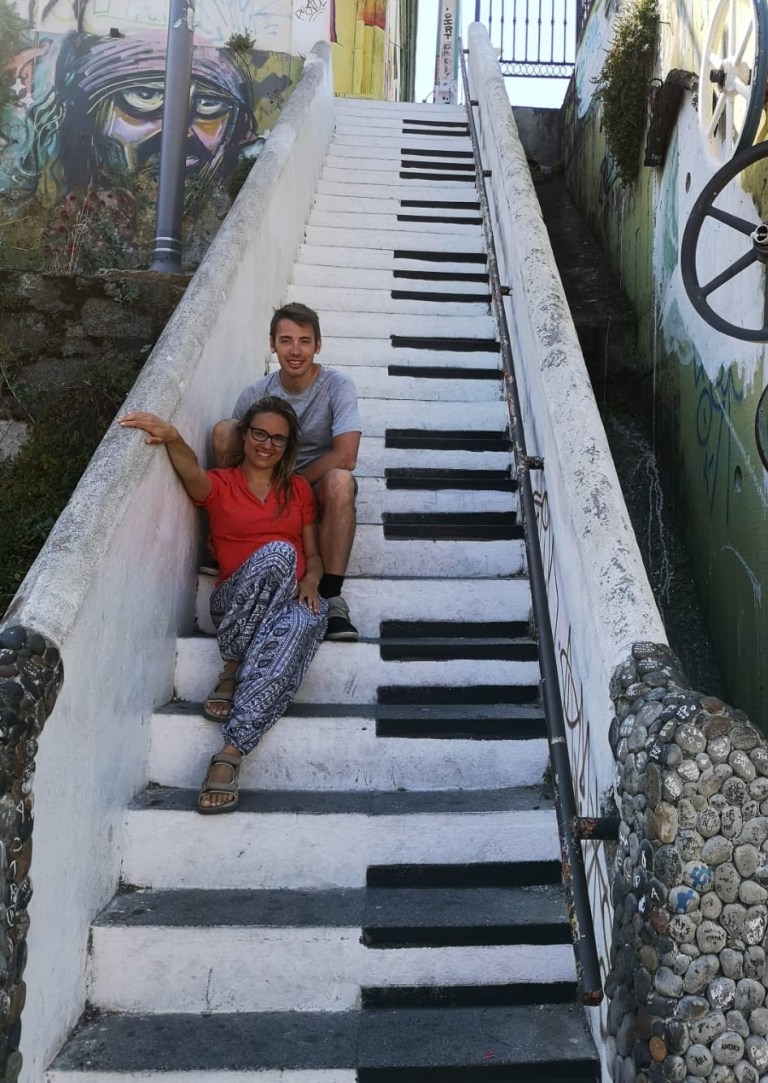
In addition to its funiculars, Valparaiso is also quite famous for its large graffitis, that started as a way of expression and rebellion during the period of Pinochet’s dictatorship – it is fascinating to hear how rebels got together (suggest to take a http://www.tour4tips.com tour in Valparaiso as well) to put together this large graffitis during the dictatorship – they would meet up to decide the political content of the graffiti post and would divide the content among say 20 people. During the night they would then meet in an agreed location and each of them would quickly execute his/her part. In 15 minutes the graffiti would be ready and the police would not capture the rebels. In the morning, by the time the police would order to erase the graffiti, hundreds or thousands of people would already have seen it.
Nowadays graffiti have many different themes and can only be allowed if the owner of the building agrees with it.
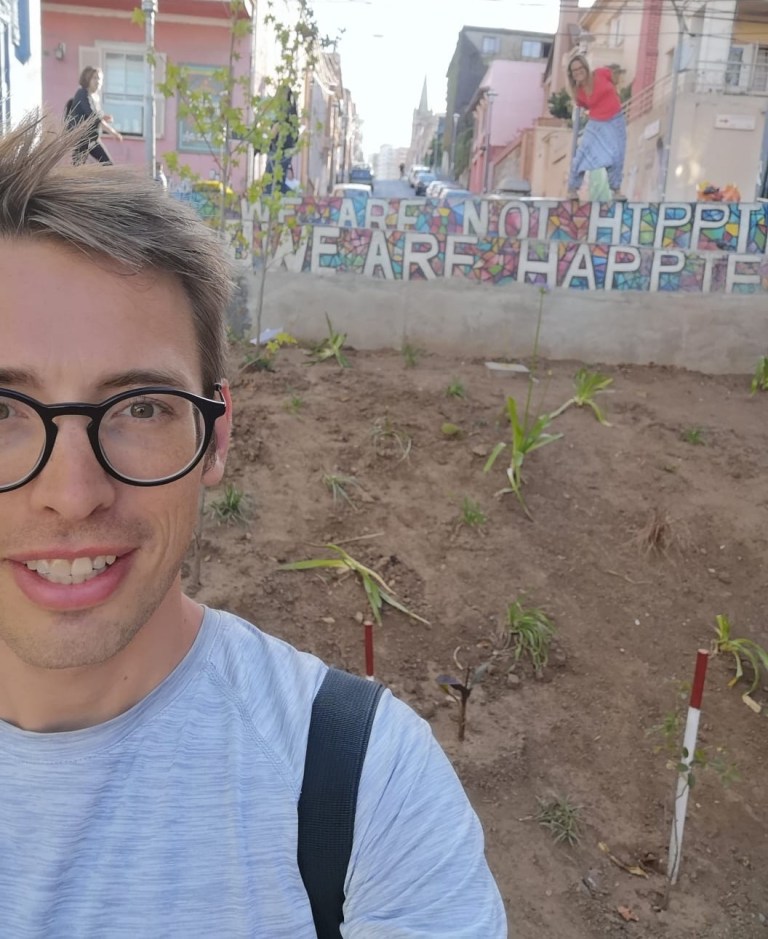
Below are some popular ones that we photographed in Cerro Alegre and Conception, the most touristic cerros. (“we are not hippies, we are happies” became a very famous quote in Valparaiso and Chile). The last of the three graffiti is basically a politically biased description of the history of Chile from colonisation to modern days and it is fascinating.
—
Oltre alle sue funicolari, Valparaiso è anche famosa per i suoi grandi graffiti, che erano inizialmente una forma di espressione e ribellione durante il periodo della dittatura di Pinochet – è affascinante sentire come i ribelli si organizzavano (suggeriamo il tour guidato http://www.tour4tips.com in Valparaiso) per mettere insieme questi grandi graffiti durante la dittatura – i ribelli si incontravano per decidere il contenuto politico del post dei graffiti e dividevano il contenuto tra 20 persone per esempio. Durante la notte si incontravano in un luogo concordato e ognuno di loro eseguiva rapidamente la propria parte. In 15 minuti i graffiti erano pronti i ribelli riuscivano a scampare alla polizia. Al mattino, quando la polizia ordinava di cancellare i graffiti, centinaia o migliaia di persone l’avevano già visto.
Al giorno d’oggi i graffiti rappresentano svariati temi e possono essere ammessi solo se il proprietario dell’edificio è d’accordo.
Di seguito alcuni di quelli popolari che abbiamo fotografato in Cerro Alegre e Conception, i cerros più turistici. (“Non siamo hippy, siamo happies” è diventata una citazione molto famosa in Valparaiso e in Cile). L’ultimo dei tre graffiti è fondamentalmente una descrizione della storia del Cile dalla colonizzazione ai giorni moderni ed è affascinante.
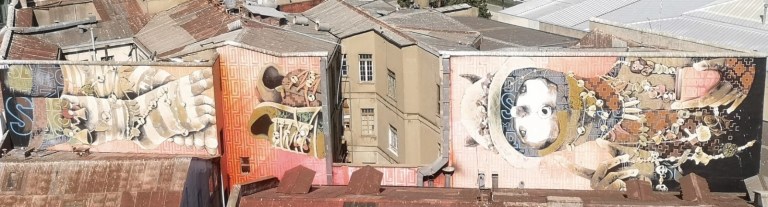
Hidden among the colourful houses and spread across multiple buildings, you can also spot one graffiti of Inti Castro. For those who don’t know him, Inti Castro is a muralist and graffiti artist born in the city of Valparaiso but famous worldwide for his work. He typically paints in very large scale and is recognised for his characters inspired by the Latin American syncretism of the mixture of the Spanish and indigenous heritage.
—
Nascosto tra le case colorate e distribuito su più edifici, si può anche scovare un enorme graffiti di Inti Castro. Per coloro che non lo conoscono, Inti Castro è un muralista e graffitista nato nella città di Valparaiso ma famoso in tutto il mondo per le sue opere. Dipinge tipicamente su larga scala ed è riconosciuto per i suoi personaggi ispirati al sincretismo latinoamericano (mix tra il patrimonio spagnolo e quello indigeno)
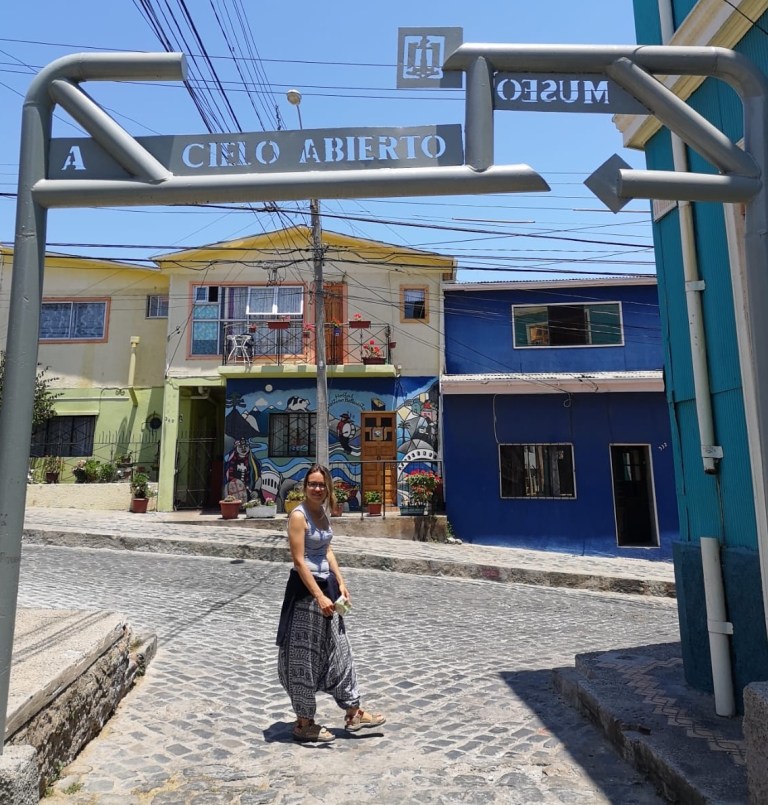
Another great cerro for the graffiti art is cerro Bellavista, where the graffiti really represent an open air museum, “museo a cielo abierto”. The streets are filled with explosion of colours and funky street art.. and are definitely worth a stroll!
—
Un altro fantastico cerro per gli appassionati dei graffiti è il cerro Bellavista, dove i graffiti rappresentano davvero un museo a cielo aperto, “museo a cielo abierto”. Le strade sono piene di esplosioni di colori e arte di strada .. e meritano sicuramente di essere ammirati!
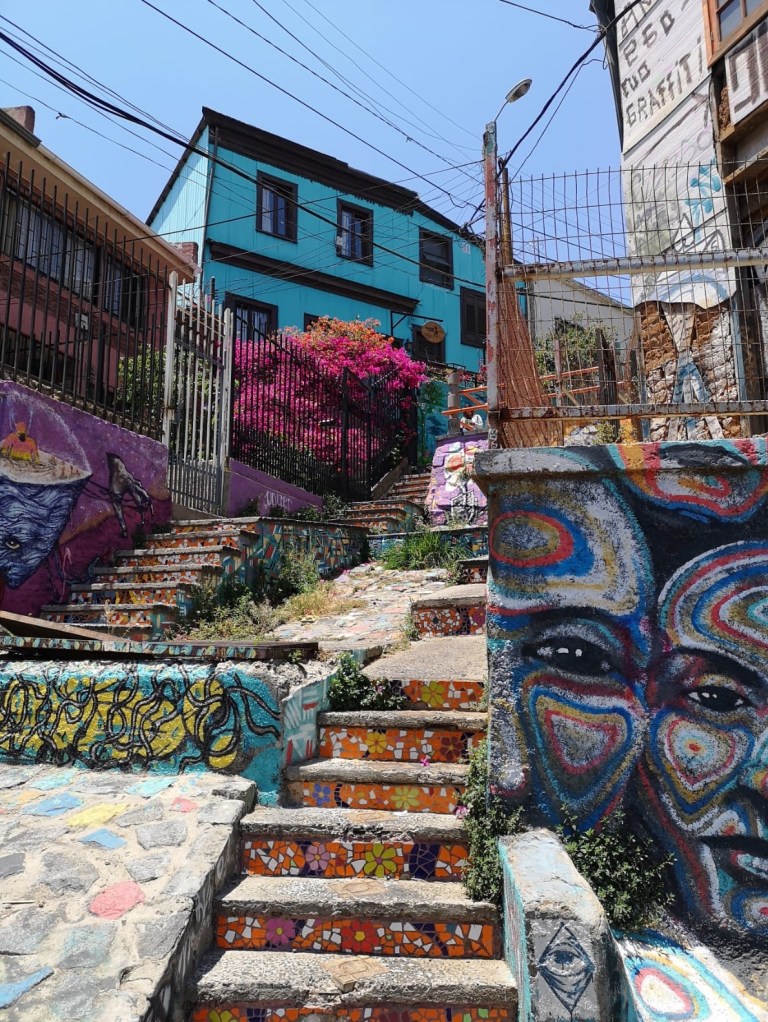
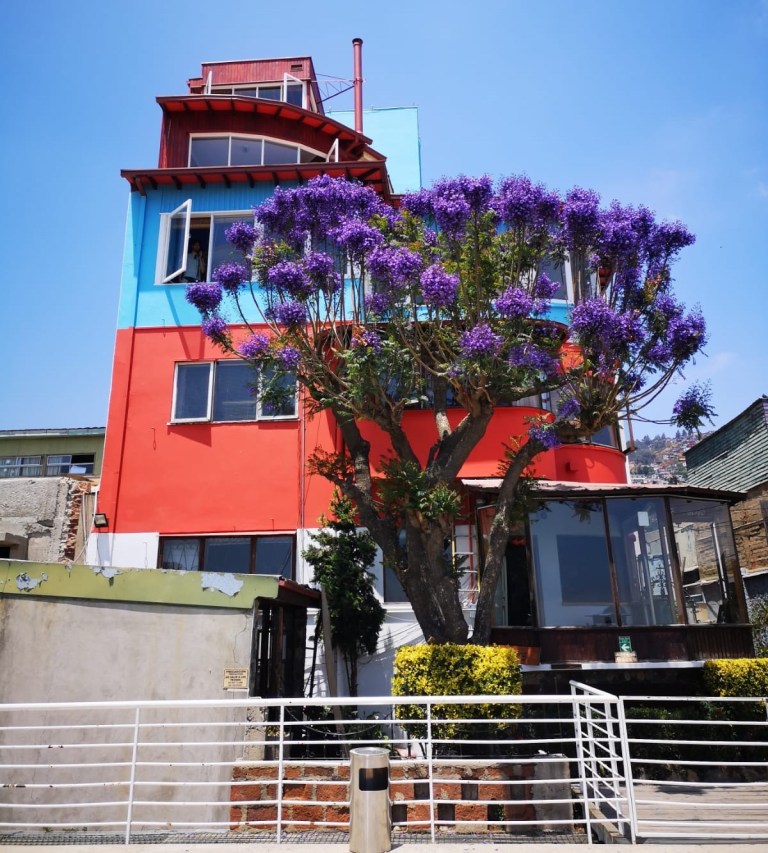
The same cerro also hosts the house of Neruda (there are other 2 houses of his in Chile, one in Isla Negra and the other one in Santiago) – you can visit it but we didn’t
—
Il cerro Bellavista ospita anche la casa di Neruda (ci sono altre sue due case in Cile, una sulla Isla Negra e l’altra a Santiago) – è possibile visitarla ma noi non ci siamo fermati
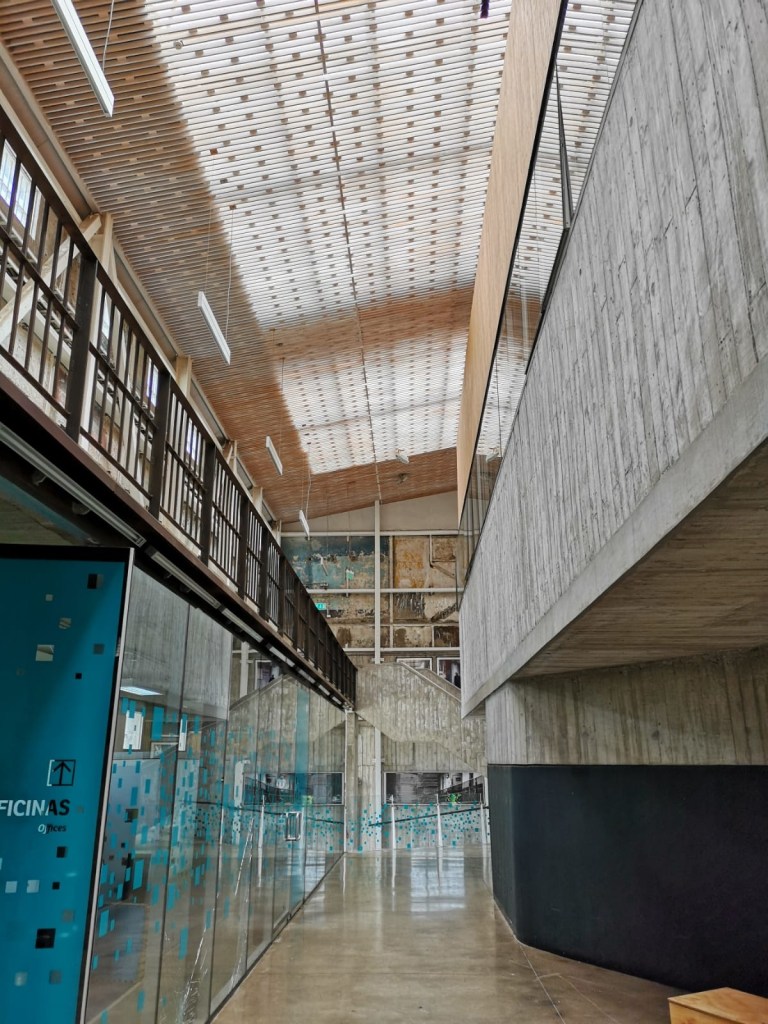
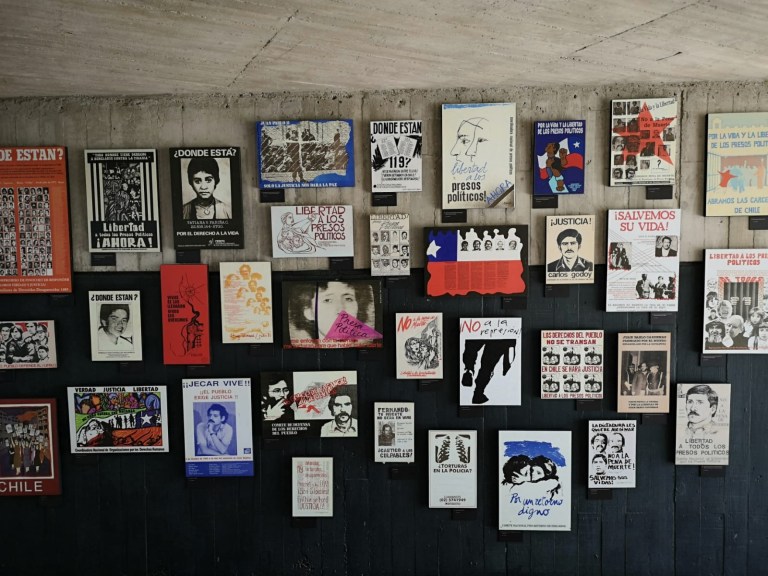
There is a slightly less touristic or colourful cerro which is also worth a visit for its historical significance – cerro Cárcel, which, as the name suggests, is home to the former prison of Valparaiso. The prison, originally being the Warehouse of Gunpowder, was built between 1807 and 1810 by Spaniards with defensive purposes. From 1840 on, it was however used as a prison and extended after the 1906 earthquake. In 1999 (!) – note that cerro Cárcel is in between the touristic cerros Alegre and Bellavista, i.e very central – it stopped functioning as a prison and from 2010 on it was repurposed as a cultural and artistic centre; its rooms can be booked for free for rehearsal purposes, and it also hosts some memories of the “desaparecidos” during the years of dictatorship.
—
C’è un cerro un po’ meno turistico o colorato che merita una visita anche per il suo significato storico – cerro Cárcel, che, come suggerisce il nome, ospita l’ex carcere di Valparaiso. La prigione, che in origine era il magazzino per polvere da sparo, fu costruita tra il 1807 e il 1810 dagli spagnoli con scopi difensivi. Dal 1840 in poi, fu tuttavia utilizzato come prigione e ampliato dopo il terremoto del 1906. Nel 1999 (!) – notate che Cerro Cárcel si trova tra il cerros turistico Alegre e Bellavista, cioè super centrale – ha smesso di funzionare come una prigione e dal 2010 in poi è stato riproposto come centro culturale e artistico; ha stanze che possono essere prenotate gratuitamente per prove, e contiene alcune memorie dei “desaparecidos” durante gli anni della dittatura.
On our way from cerro Cárcel to cerro Bellavista, we also came across the mirador Camogli, which is named after a town in the Italian Liguria region (and sponsored by the “Associazione liguri nel mondo”) – among the many tiles in the mirador we also found the one of Rapallo, my hometown! Small world!
To conclude: visit Valparaiso, stroll in cerros Conception, Alegre & Bellavista and make sure you don’t miss the former prison in Cárcel! Enjoy!
—
Sulla strada da Cerro Cárcel a Cerro Bellavista, abbiamo anche trovato il mirador Camogli, che prende il nome da una città italiana nella regione Liguria (e sponsorizzato dall’Associazione liguri nel mondo) – tra le tante piastrelle nel mirador abbiamo trovato anche quello di Rapallo, la mia città! Che mondo piccolo!
Per concludere: visitate Valparaiso, passeggiate a cerros Conception, Alegre e Bellavista e assicuratevi di non perdere l’ex carcere di Cárcel! Buon divertimento!

 Maria & Serge