Welcome ladies and gentlemen, to the place where everyone wants to go. Some are lucky enough to be able to book in advance. Some are pirates that go and hope there is a spot left for them. Some (like us) book what’s left and make their own itinerary.
—
Signori e signore, benvenuti nel luogo da tutti ambito. Alcuni sono abbastanza fortunati da poter prenotare in anticipo. Alcuni sono pirati che vanno e sperano che ci sia un posto libero per loro. Alcuni (come noi) prenotano ciò che resta e costruiscono un loro itinerario.
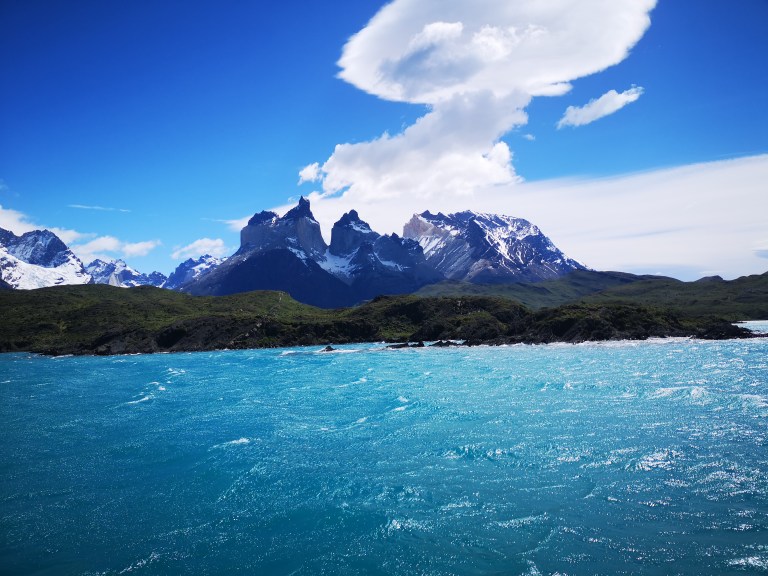
When arriving at Chile’s national park “Torres del Paine” we see immediately why everyone wants to go: light blue lakes, clear views and amazing mountains dusted with a little layer of snow. A sight of which there are only few in this world.
—
Arrivando al parco nazionale del Cile “Torres del Paine”, capiamo immediatamente perché tutti vogliono andare: laghi azzurri, panorami limpidi e montagne meravigliose spolverate da un sottile strato di neve. Uno spettacolo di rara bellezza.
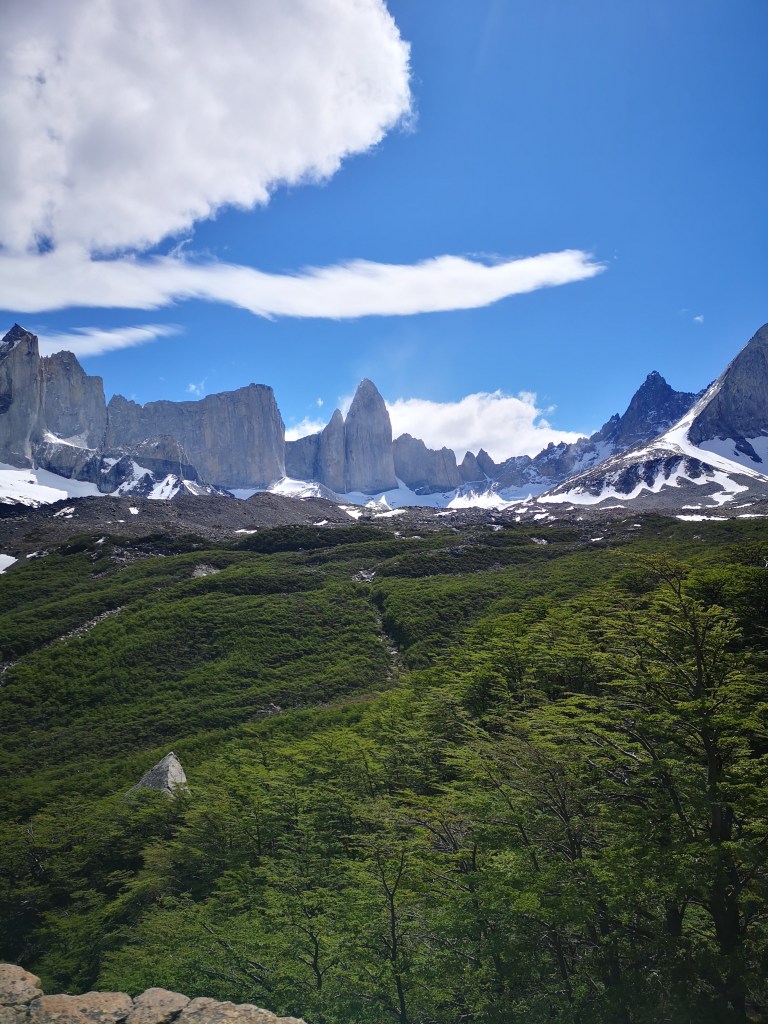
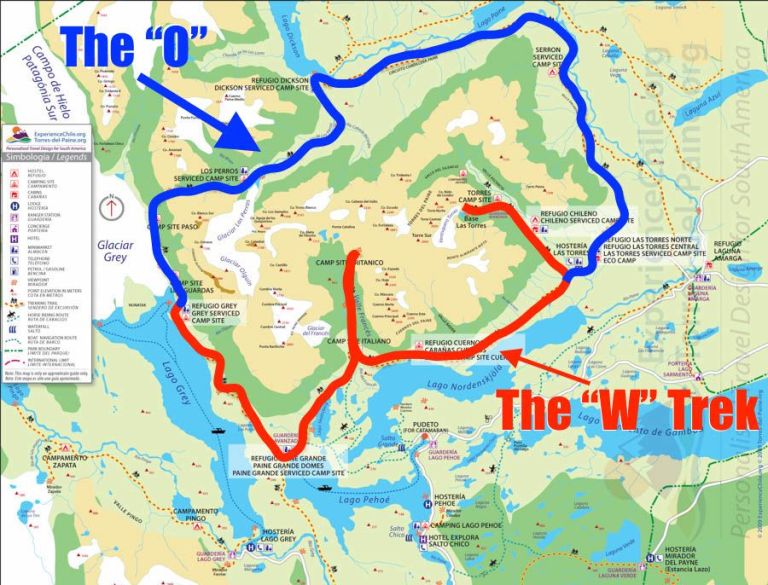
In the park there are basically two treks that people choose from: the O-trek and the W-trek. The O-trek is for the more advanced hikers (narrow passages, snow blizzards, Spartan accomodation, etc.) and the W-trek is for the more average hiker (wider trails, more secluded, better accomodation, etc.) Needless to say that more people do the W trek as compared to the O.
—
Nel parco ci sono fondamentalmente due itinerari: l’O-trek e il W-trek. L’O-trek è per l’escursionista più esperto (passaggi stretti, bufere di neve, alloggi spartani, ecc.) mentre il W-trek è per l’escursionista medio (sentieri più ampi, più appartati, alloggi migliori, ecc.) Inutile dire che più persone fanno il percorso W rispetto all’O.
In the years past, tourism came up quite steep: in the 1980s one could walk the trails and not meet other people for days. In 2015 some 200.000 people visited the park. After some accidents happened due to overloaded campsites (people got sick from drinking the water as latrines spilled in the park’s rivers), restrictions were put in place to reduce the number of visitors visiting the park.
At the moment there is a reservation system for the campings that only allows a certain number of spots. However it is quite a random messy system:
- It is spread over three different organisations.
- It is online but much of the spots are rewarded offline.
- In the park there is no strict enforcement of the booking system. Hence you can turn up without reservation, after darkness, and the campings will need to accept you.
- Although no official evidence, it looks like the campings seem to reserve quite some space for their own rental tents (when we were there the camping was full, yet there were some empty rental tents of which one blew away because of the wind!)
Online everything seems to be sold out half a year in advance. Calling the campings works for some people as they might be awarded a spot, but often also not.
In our case we were not able to book either the complete O or W trek, so we booked what we could and dubbed our track to be the V trek.
—
Negli anni passati, il turismo nel parco è cresciuto esponenzialmente: negli anni ’80 si poteva camminare per i sentieri e non incontrare altre persone per giorni. Nel 2015 circa 200.000 persone hanno visitato il parco. Dopo alcuni incidenti accaduti a causa di campeggi sovraccarichi (turisti si sono ammalati per aver bevuto l’acqua dei fiumi in cui si erano rovesciati residui dalle latrine dei rifugi/campeggi), sono state introdotte restrizioni per ridurre il numero di visitatori del parco.
Al momento esiste un sistema di prenotazione per i campeggi che consente solo un certo numero di posti. Tuttavia è un sistema abbastanza destrutturato:
- E’ gestito da tre diverse organizzazioni.
- È online ma molti dei posti vengono venduti offline.
- Nel parco non esiste una rigida applicazione del sistema di prenotazione. Quindi puoi presentarti senza prenotazione, quando é ormai buio, e i campeggi dovranno accettarti.
- Sebbene non ci siano statistiche ufficiali, sembra che i campeggi riservino molto spazio per le proprie tende a noleggio (quando eravamo lì il campeggio era pieno, eppure c’erano alcune tende del campeggio vuote, di cui una soffiata via a causa del vento!)
Online, i posti sembrano essere esauriti con 6 mesi di anticipo. Chiamare i campeggi funziona per alcuni fortunati, ma per molti altri no.
Nel nostro caso non siamo riusciti a prenotare l’itinerario completo O o W, quindi abbiamo prenotato quello che potevamo e abbiamo soprannominato il nostro itinerario il “V”.
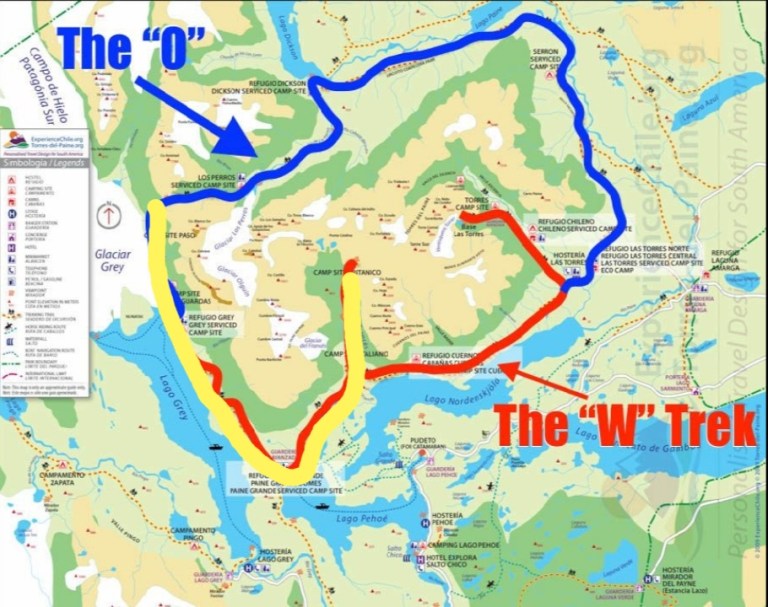
- Starting with the boat from Pudeto to Paine Grande.
- Going up to Grey
- Continuing along the glacier to Paso
- Then returning all the way back to Paine Grande
- And make a small side step to Italiano/Britannico
- Back to Paine Grande and with the Boat to Pudeto to complete the trek.
I hope by now you see a sort of V-shape on the map (in yellow)
—
- Barca da Pudeto a Paine Grande
- Salita verso Grey
- Proseguimento lungo il ghiacciaio fino a Paso
- Ritorno a Paine Grande
- Percorso lungo il lago fino a Italiano / e poi in alto fino a Britannico
- Ritorno a Paine Grande e con la barca a Pudeto per completare l’itinerario.
Spero che ora vediate una sorta di “V” sulla mappa (in giallo)

Taking the catamaran from Pudeto to Paine Grande is a pleasant experience. The boat was on time (leaving at 11 am) and takes you over the emerald green lake in 30-40 minutes to the destination.
—
Prendere il catamarano da Pudeto a Paine Grande è un’esperienza piacevole. La barca è tipicamente in orario (partenza alle 11) e ti porta sul lago verde smeraldo per 30-40 minuti, per poi arrivare a destinazione.
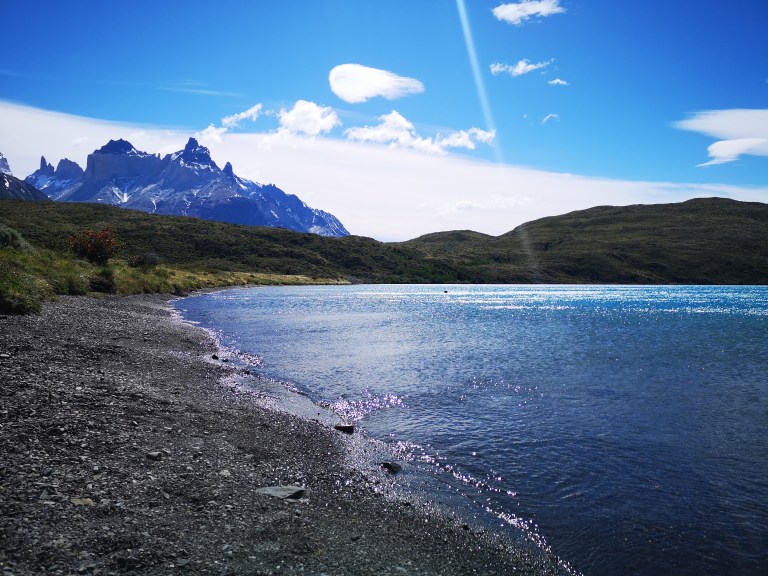
Once the boat moors we get out quickly, as we need to hike 8 hours to get to our camping for the night. Unfortunately from Paine Grande to Grey (3 hours walk) the forrest burned down about 8 years ago, most of the vegetation has grown back but unfortunately the trees are still burned.
—
Una volta che la barca è approdata, siamo scesi velocemente, poiché ci aspettavano 8 ore di camminata per arrivare al nostro campeggio per la notte. Sfortunatamente da Paine Grande a Grey (3 ore di cammino) il bosco è bruciato circa 8 anni fa, la maggior parte dell’erba è cresciuta ma sfortunatamente gli alberi sono ancora bruciati.

After a couple of kilometres walking, we already see “glacier Grey” turning up in the distance.
—
Dopo un paio di chilometri a piedi, si intravede già il ghiacciaio Grey in lontananza.
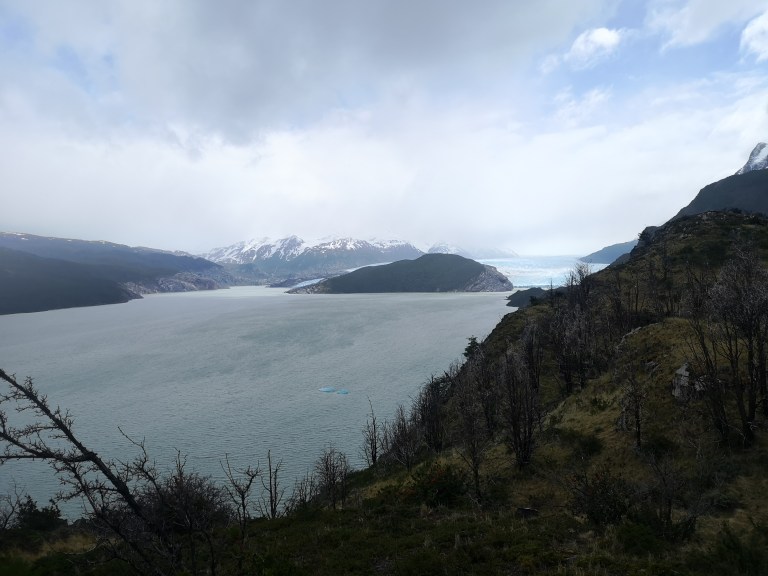
It is deceptive as our first stop (Refugio Grey) is next to the glacier, which seems close, but is still 2.5 hours walking away.
—
È ingannevole poichs la nostra prima tappa (Refugio Grey) è vicino al ghiacciaio, che sembra vicino, ma dista ancora 2,5 ore a piedi.

As we arrive in Grey we ask if any camping spot is still left ( we would not mind to save our selves another 5 hour walk through rainy weather to Passo). Unfortunately (or fortunately) we are told they are full and that there is no space for tonight. We are now forced to continue our walk.
—
Arrivati a Grey chiediamo se c’è ancora qualche posto nel campeggio (non ci dispiacerebbe salvarci altre 5 ore di cammino sotto pioggia/vento/neve fino a Paso). Sfortunatamente (o per fortuna) ci viene detto che sono pieni e che non c’è spazio per stasera. Ora siamo costretti a continuare la nostra passeggiata.
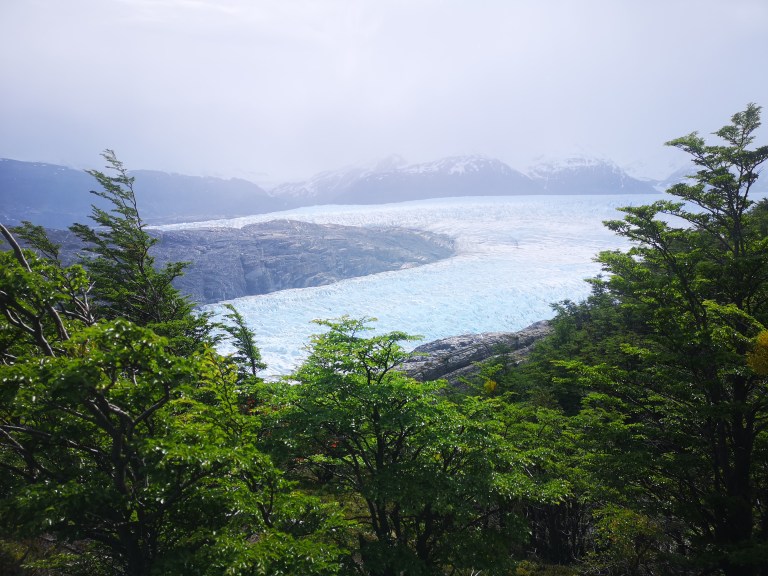
The walk from Grey to Paso is a nice one, as this one part of the forrest never burned down. And since it goes along the glacier it gives spectacular views of the top of this icefield.
—
La passeggiata da Gray a Paso è piacevole poiché questa parte della foresta non è mai stata bruciata. E poiché si snoda lungo il ghiacciaio, offre una vista spettacolare sulla cima di questo manto di ghiaccio.
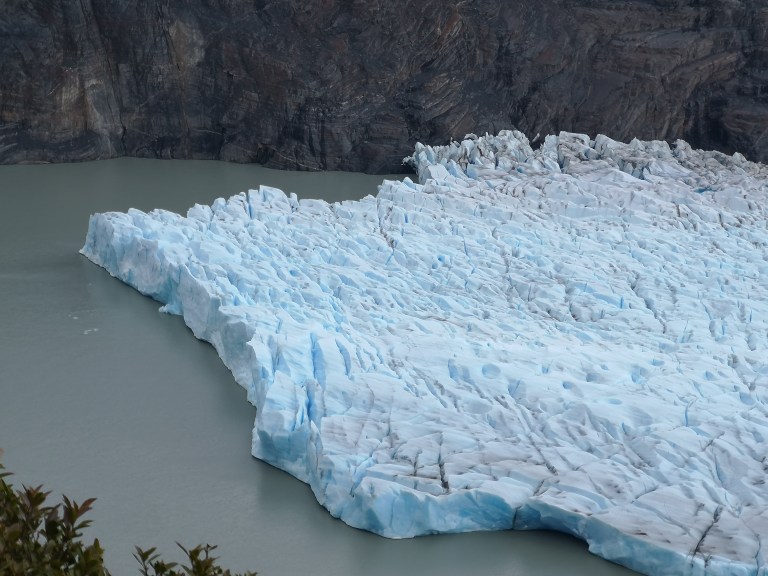
It is the last leg of the O-trek, this makes it a bit more difficult to do: climb a bit more on the rocks and you will find three hanging bridges on your way…
—
È l’ultima tappa dell’O-trek, questo lo rende un po’ più difficile da fare: un po’ più di arrampicate sulle rocce e tre ponti tibetani da attraversare …
Paso is a very small camping, about 10 spaces, and it is the last stop of the O trek, so people that come to the camping form a close group. We meet a good selection of Chilean, American (of course) and Dutch (!) people and have dinner arround the outside table.
Water (to prepare dinner) we can simply scoop out of the river and drink, we drink it unfiltered.
—
Paso è un campeggio molto piccolo, circa 10 tende, ed è l’ultima tappa del trek O quindi le persone che arrivano qui generalmente si conoscono, viste le loro tappe precedenti insieme. Incontriamo un mix di persone cilene, americane (ovviamente) e olandesi (!) E ceniamo intorno al tavolo esterno.
L’acqua (per preparare la cena) possiamo semplicemente prenderla dal fiume e berla, la beviamo non filtrata.
The next day the weather is a bit better and we make the same journey as yesterday but the other way around.
This time with sun on the glacier and even a rainbow! 🌈
—
Il giorno dopo il tempo è un po’ migliore e facciamo lo stesso viaggio di ieri ma al contrario.
Questa volta con il sole sul ghiacciaio e persino un arcobaleno! 🌈
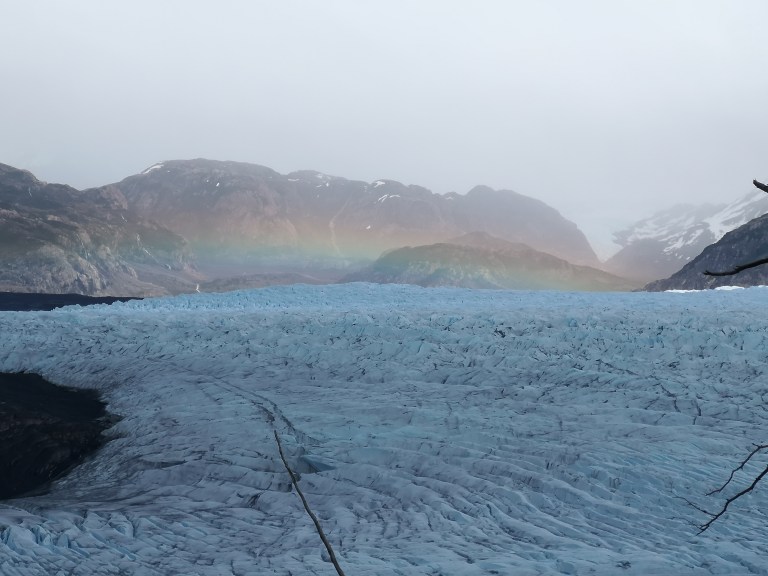
The glacier remains an amazing view from every direction
—
Il ghiacciaio rimane una vista incredibile da ogni direzione

We return back to Paine Grande where we have booked a (very windy, no trees |-)) spot on the camping including a dinner.
The dinner is a welcome variation on the dried camping noodles with a flavour packet and actually not bad to eat.
—
Ritorniamo a Paine Grande dove abbiamo prenotato un posto (molto ventoso, senza alberi | -)) sul campeggio con cena inclusa.
La cena è una variazione gradita rispetto ai noodles istantanei da campeggio e in realtà non è male.
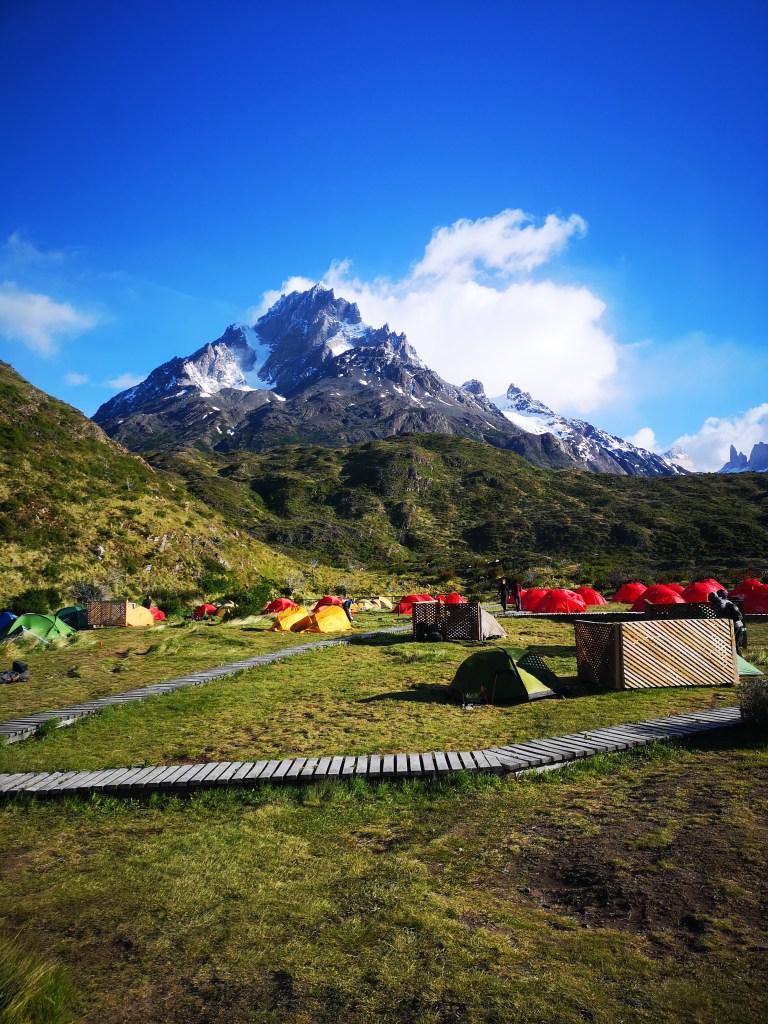
The next morning we make a small hike to the Italiano Camp. Setup our tent and hike up further on the hill to the Frances and Britannico viewpoints (without pack, much lighter 🙂 )
From both points the views are magnificent. Especially early in the morning at Frances we can hear and see an avalanche from time to time. Big splashes of snow coming down, making the sound of thunder. Luckily it all stays on the mountain on the other side of the river and we can safely watch.
—
Il mattino dopo facciamo una piccola escursione al campeggio Italiano. Sistemiamo la nostra tenda e saliamo sulla collina fino ai punti di vista di Frances e Britannico (senza zaino, molto più leggero :))
Da entrambi i punti i panorami sono magnifici. Soprattutto alle prime ore del mattino a Frances possiamo sentire e vedere valanghe di neve che si separa dai ghiacciai. Grandi spruzzi di neve che scendono e che risuonano come un tuono. Fortunatamente tutto rimane sulla montagna dall’altra parte del fiume e possiamo guardare in tranquillità.
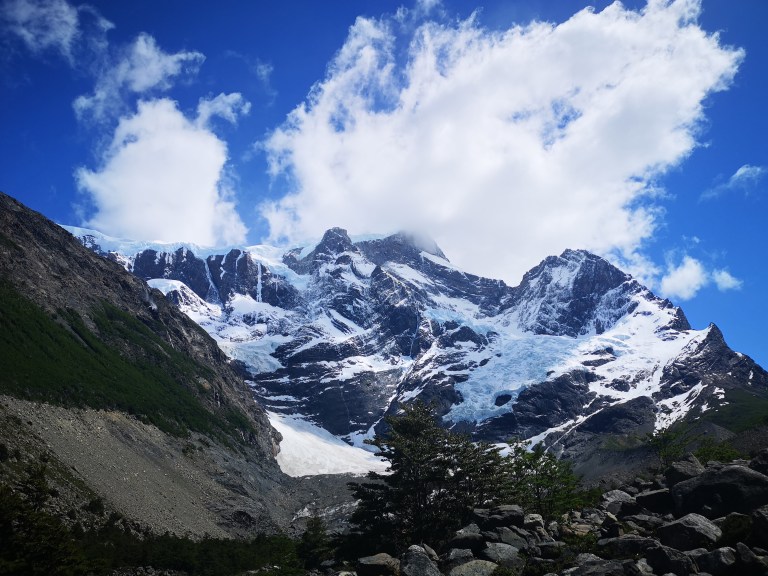
From Britannico an (almost 360) view with mountains can be seen. The typical shape of the mountain (the straight cut off cliffs) is caused by the difference in materials. The highest mountains are made of solidified magma (Granite). The original stone around the mountains has eroded away.
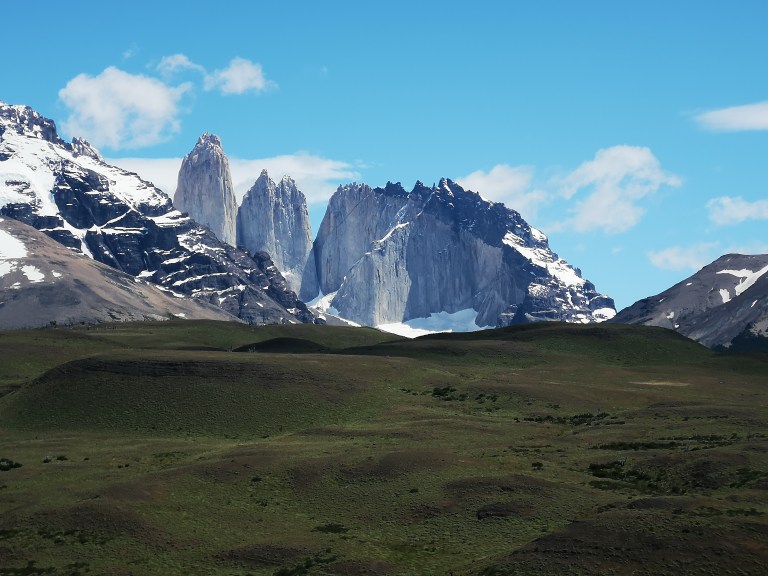
Some of the mountains look like a good place to build a castle on, others look like towers (Torres) hence the name of the park
—
Da Britannico si può godere di una vista quasi a 360 gradi sulle montagne. I colori delle rocce sono dovute ad una differenza di materiali. Le montagne più alte sono fatte di magma solidificato (granito). La pietra originale intorno alle montagne si è erosa.
Alcune montagne sembrano un buon posto dove costruire un castello, altre sembrano torri (Torres) da cui il nome del parco.
After Brittanico we go down and make a small walk past Italiano in to the valley del Frances. This is a total different sight from the rest of the park and actually gives the feeling being on the French countryside.
—
Dopo Britannico scendiamo e facciamo una piccola passeggiata oltre Italiano nella valle del Frances. Questa è una vista completamente diversa dal resto del parco e in realtà dà la sensazione di essere nella campagna francese.
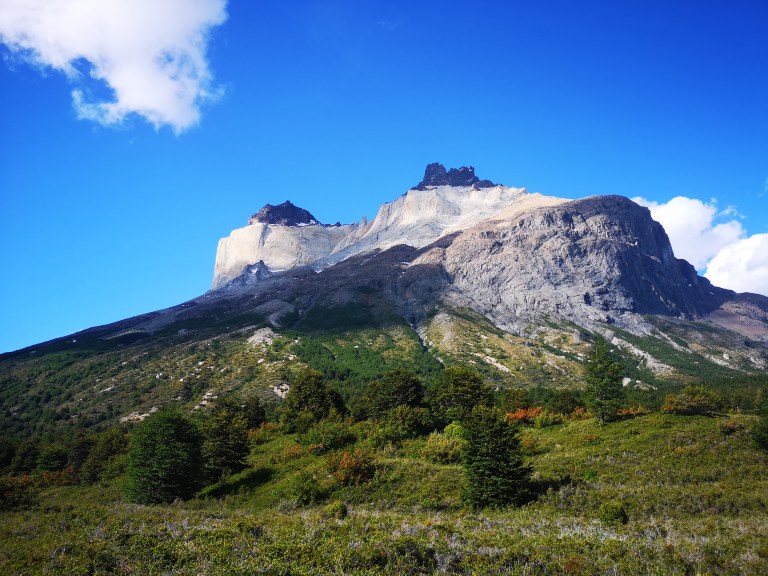
On our last day we return to Paine Grande and take the boat for one last good look at the amazing mountains in Torres del Paine.
—
Nel nostro ultimo giorno torniamo a Paine Grande e prendiamo la barca per un ultimo sguardo alle incredibili montagne di Torres del Paine.
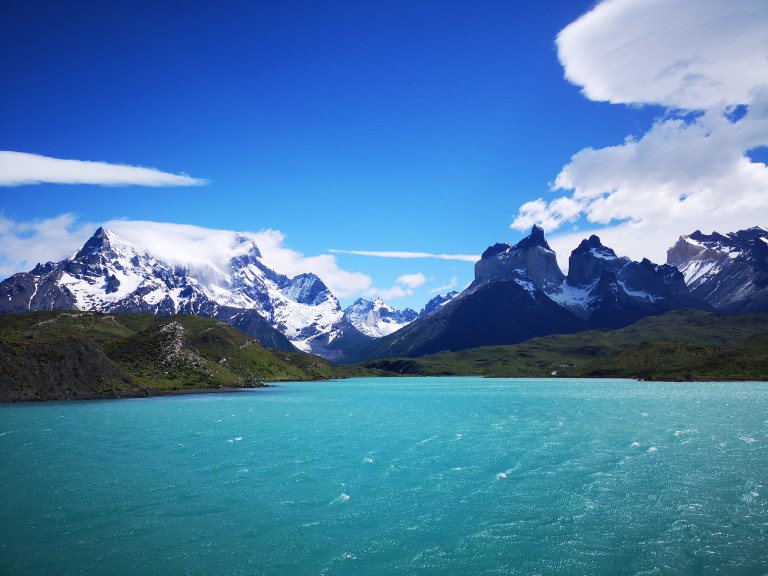
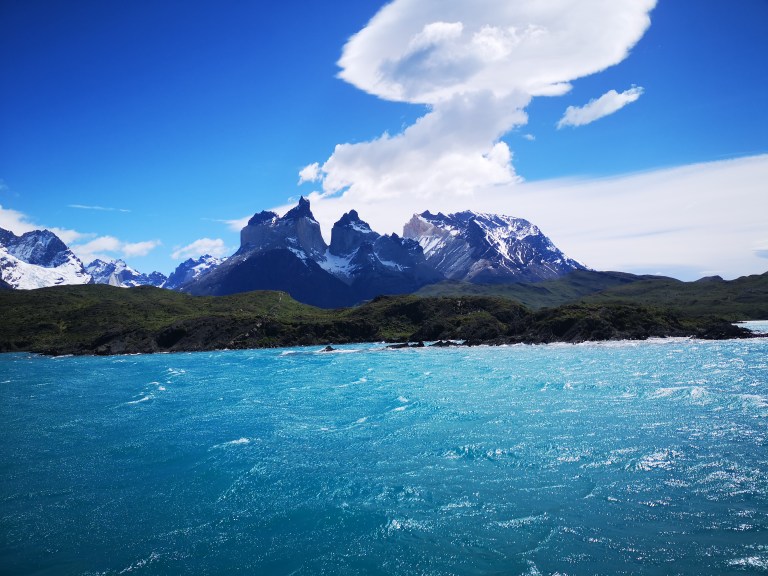
In the main entrance we take a quick look at the namesake mountains for this park (the Torres)
—
All’ingresso principale diamo uno sguardo alle montagne che danno il nome a questo parco (le Torri)
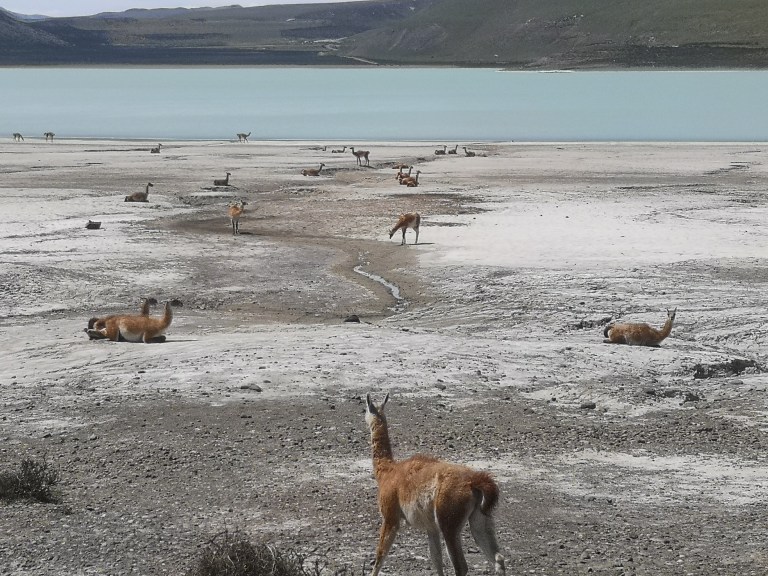
And we get a small surprise….. 10s of fluffy guanacos!
—
Ed All’uscita ci attende una piccola sorpresa ….. Decine di soffici guanacos!
Final thoughts:
Torres del Paine is an amazing park, views are beautiful and nature is abundant. It’s clear why everyone wants to see this park.
For those that are inspired to go: book as early as possible. The bookings seem to start around April/May for the season after. Besides that, take some good hiking shoes and hiking poles with you and enjoy the views!
—
Pensieri finali:
Torres del Paine è un parco incredibile, i panorami sono belli e la natura è meravigliosa. È chiaro perché tutti vogliono vedere questo parco.
Per coloro che stanno pensando di andare: prenota il prima possibile. Le prenotazioni sembrano iniziare intorno ad aprile / maggio per la stagione successiva. Oltre a ciò, munisciti di scarpe da trekking e bastoni da trekking e goditi il panorama!
 Maria & Serge