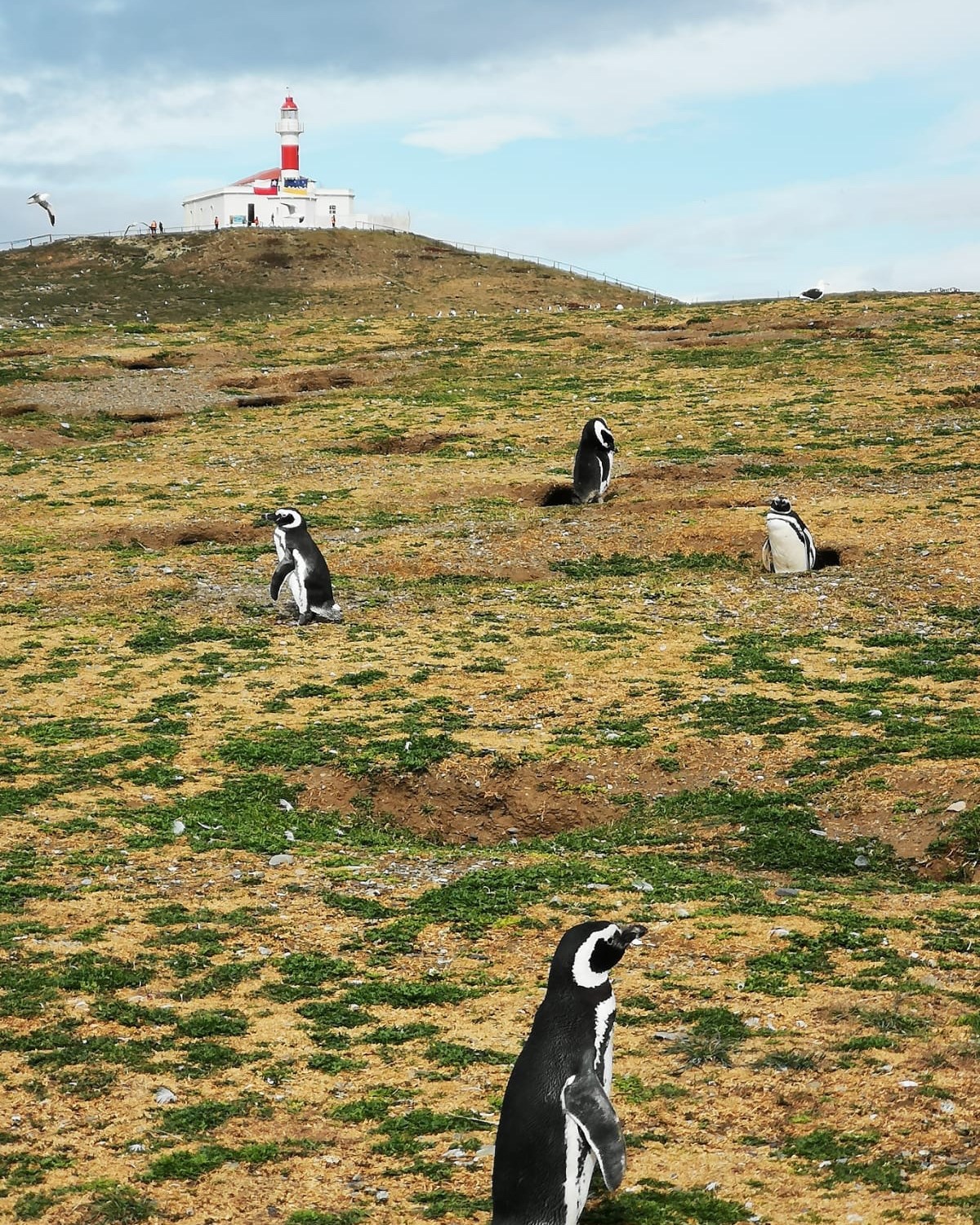
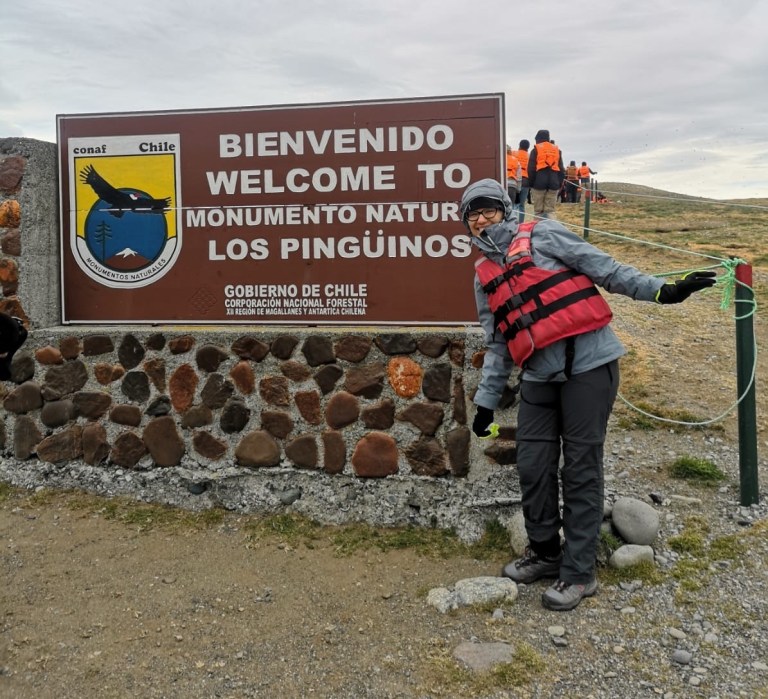
Today we are going to tell you about our trip to Isla Magdalena, also known as “the penguin island”, as it actually hosts the “Monumento Natural los Penguinos“. Isla Magdalena is located in the Strait of Magellan, 37km northeast of Punta Arenas.
—
Oggi vi racconteremo la nostra escursione alla Isla Magdalena, nota anche come “l’isola dei pinguini”, in quanto ospita il “Monumento Natural los Penguinos“. Isla Magdalena si trova nello Stretto di Magellano, 37km a nord-est di Punta Arenas.
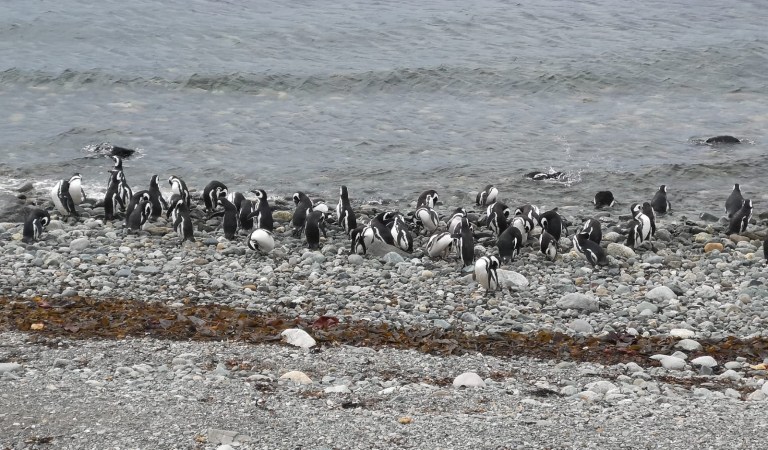
This natural monument includes 60k couples of breeding penguins that come from the coasts of Brazil and Uruguay to breed and look after their chicks once the eggs hatch. Wow! That’s a hell of a trip!
—
Questo monumento naturale ospita 60mila coppie di pinguini che provengono dalle coste del Brasile e Uruguay e che si stabiliscono in Isla Magdalena per deporre le uova. Un viaggio assurdo!
How come they swim all the way from there to Isla Magdalena in Chile? Because in the Strait of Magellan there is an abundance of sardines and other fish that swim quite close to the shore, much closer than they would in Brazil or Uruguay; penguins decide to come here to breed so that when it comes to procuring food for themselves and for their little ones, they don’t need to venture too far from the nest – smart, huh?
—
Perché decidono di farlo? Perché nello stretto di Magellano ci sono molte sardine ed altri pesci che nuotano abbastanza vicino a riva, molto più vicino di quanto si potrebbe trovare in Brasile o Uruguay; i pinguini preferiscono quindi nuotare per chilometri e chilometri fino alla Isla Magdalena pur di avere il cibo vicino a loro quando dovranno accudire i loro piccoli – Intelligente, eh?
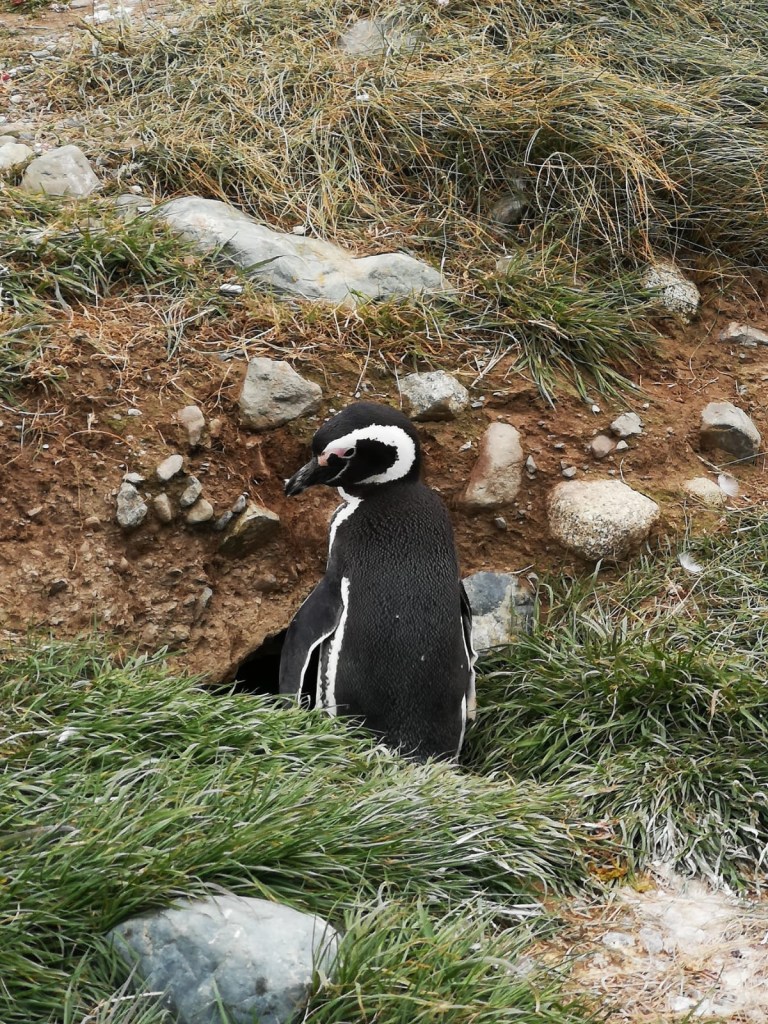
Males come from September on to prepare the nests; once ready, the females arrive. Each couple looks after two eggs. When the eggs hatch (it takes c.40 days), if there is enough food, both chicks are fed; if there is instead only little food, only one chick will survive.
—
I maschi vengono da settembre per preparare i nidi; una volta pronti, arrivano le femmine. Ogni coppia si prende cura di due uova. Quando le uova si schiudono (ci vogliono circa 40 giorni), se c’è abbastanza cibo, vengono nutriti entrambi i piccoli; se invece c’è poco cibo, ne sopravviverà solo uno.
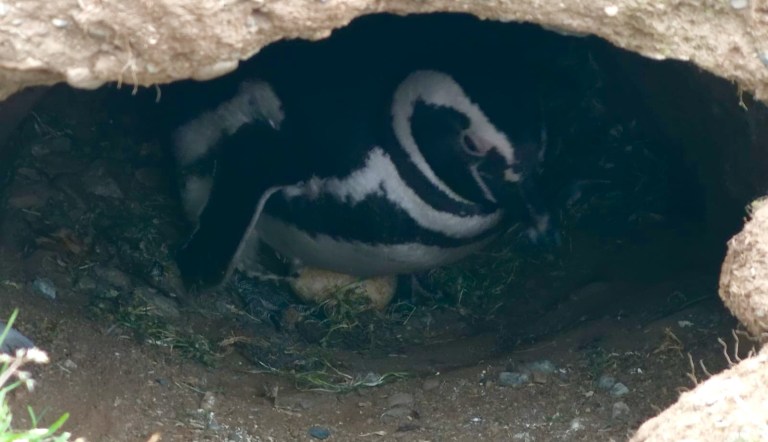
Eggs hatch in December and chicks remain in their nest for about 1 month; when they come out, they still need to be fed by their parents. In March or so they return back to Brazil/Uruguay. It takes about 5 years for penguins to become adults; only then will they return to Isla Magdalena to breed. Adult penguins come here every year; since penguins can live up to 25-30 years, penguins could come 20 times in their life to isla Magdalena…
Penguin fun fact 🐧 – these animals can dive 30 meters deep and hold their breath for c.5 minutes!
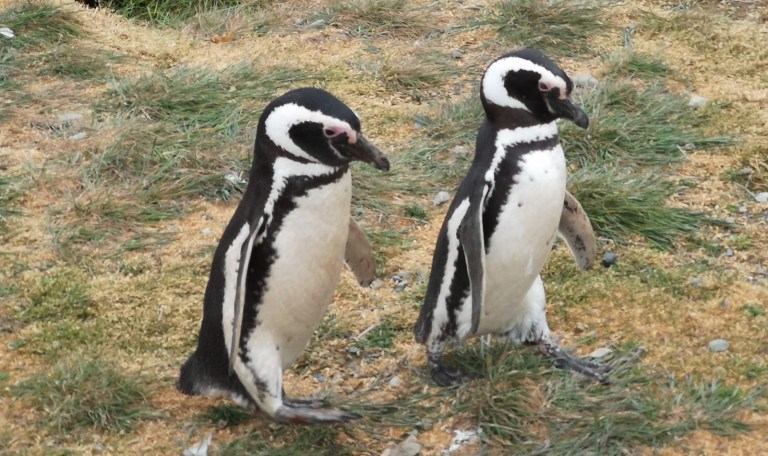
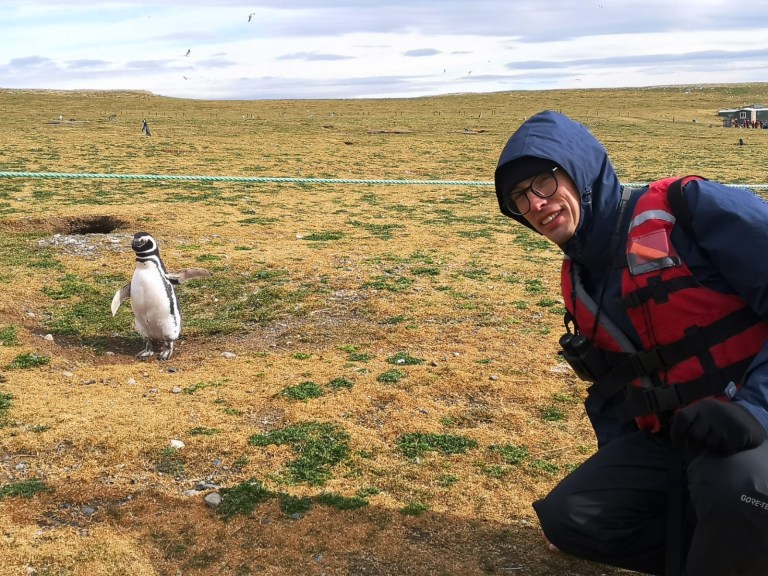
Some additional pictures and videos for you as penguins are just so cute!
—
Le uova si schiudono a dicembre e i piccoli rimangono nel loro nido per circa 1 mese; quando escono, hanno ancora bisogno di essere nutriti dai loro genitori. A marzo o giù di lì tornano in Brasile / Uruguay. Ci vogliono circa 5 anni affinché i pinguini diventino adulti; solo allora torneranno alla Isla Magdalena per riprodursi. I pinguini adulti vengono qui ogni anno; poiché i pinguini possono vivere fino a 25-30 anni, i pinguini potrebbero tornare 20 volte nella loro vita a Isla Magdalena …
Fatto curioso sui pinguini 🐧 – questi animali possono immergersi fino a 30 metri di profondità e trattenere il respiro per circa 5 minuti!
Alcune foto e video che mostrano quanto carini sono questi pinguini!
 Maria & Serge
bellissimi!
LikeLike